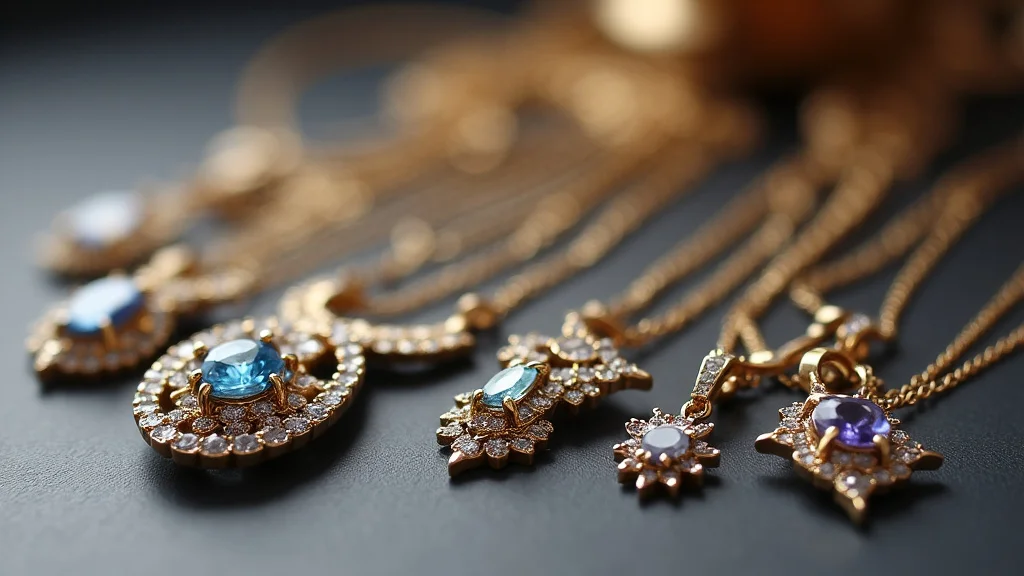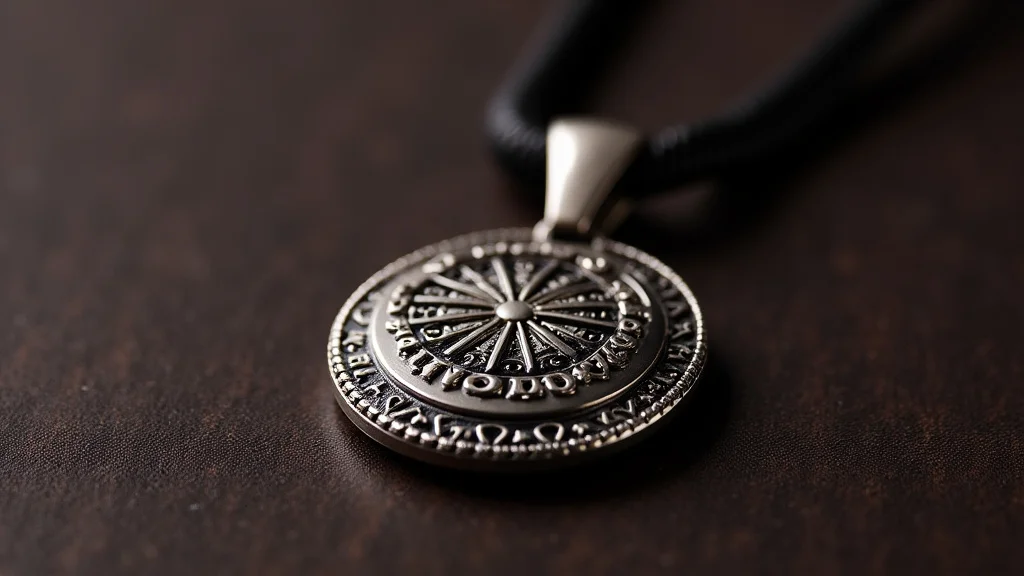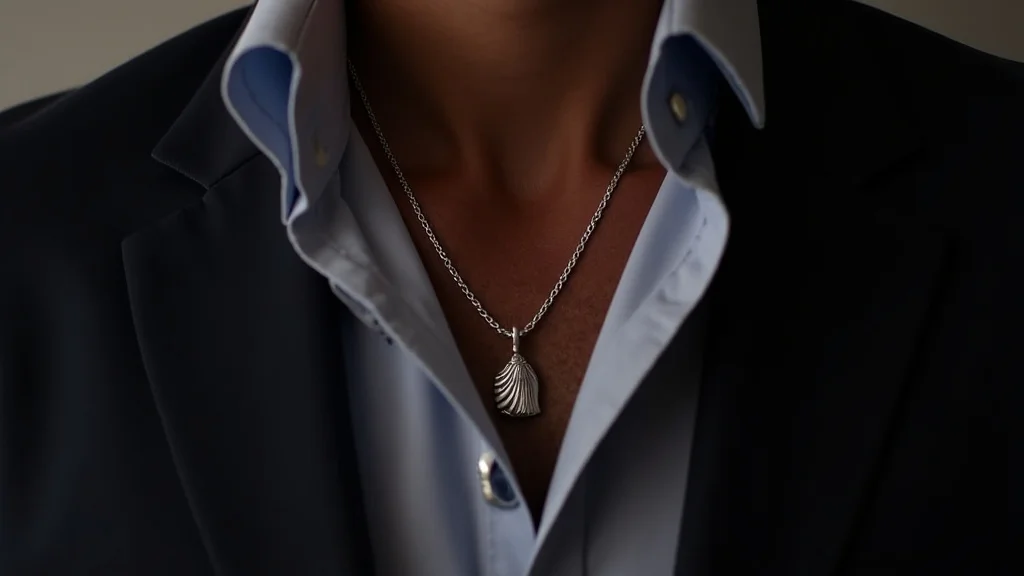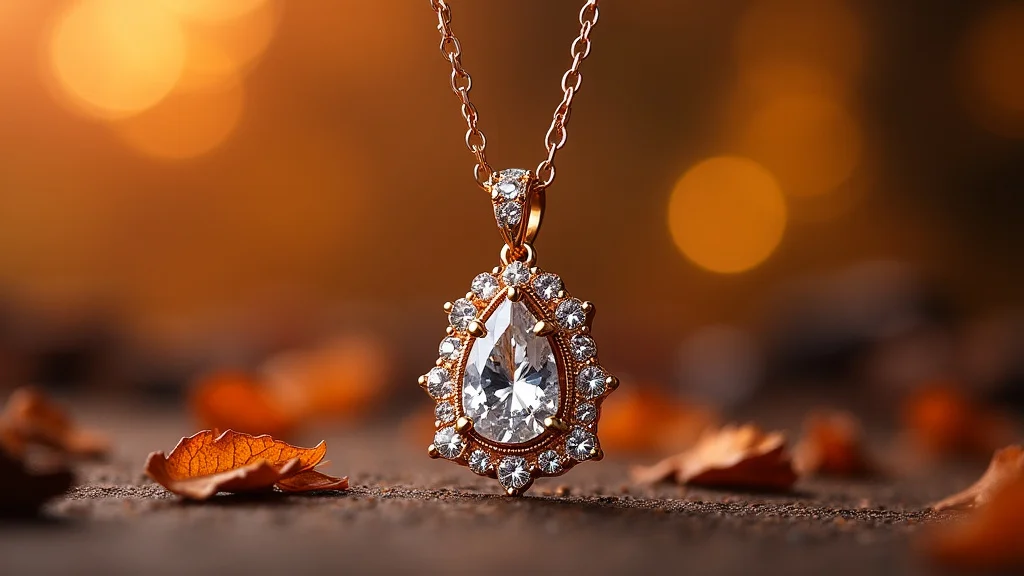
Remember that feeling of flipping through a magazine and seeing a necklace that just sparkled? You envisioned it, how it would lay perfectly, the compliments it would bring. Maybe you’re like me, constantly browsing for the perfect piece to finish an outfit. This year, treat yourself! This post is your guide to discovering incredible pieces during the autumn sale for pendants and necklaces. We’ll explore various styles, materials, and how to find the perfect addition to your collection. You’ll learn how to identify quality, maximize your budget, and choose items that truly reflect your personal style. Prepare to elevate your look.
Key Takeaways
- Discover the latest trends in pendant and necklace designs for the season.
- Learn about the different materials, such as gold, silver, and gemstones, used in jewelry.
- Get expert tips on identifying high-quality pendants and necklaces.
- Find out how to choose pieces that complement your individual style and outfits.
- Understand the value and care of different jewelry materials.
- Explore options for finding the best deals during the autumn sale for pendants and necklaces.
Unveiling the Beauty of Pendants and Necklaces
Pendants and necklaces have been treasured adornments for centuries, evolving from symbols of status and spirituality to fashion statements. Their versatility is unmatched, adding a touch of elegance or a pop of personality to any look. From delicate chains to bold statement pieces, the options are as diverse as the individuals who wear them. Selecting the right piece can transform a simple outfit into something extraordinary. This section will explore the fundamental aspects of these exquisite accessories.
The History and Significance of Necklaces
The history of necklaces dates back thousands of years. Early civilizations crafted them from natural materials like shells, stones, and animal teeth, often serving as amulets or indicators of rank. The Ancient Egyptians adorned themselves with elaborate gold necklaces, reflecting their wealth and power. Over time, necklaces have moved from purely functional or symbolic to serve as fashionable accessories. The evolution is fascinating, with each era offering distinct styles and materials, cementing their place as lasting expressions of personal taste.
-
Ancient Origins: Early necklaces were primarily made from natural materials, serving spiritual purposes and indicating social status.
Before the advent of advanced tools, early humans created necklaces with available resources. These items weren’t just decorative; they carried deep meaning. Materials like seeds, bone, and stone were used to create necklaces. Their design and use were related to rituals, beliefs, or to denote someone’s position in a community.
-
Royal and Religious Symbolism: Necklaces often represented royalty and religious figures across various cultures.
The rich and powerful often wore elaborate necklaces encrusted with gems and precious metals. Egyptian pharaohs, for instance, were buried with ornate collars, signaling their divinity and authority. Religious figures wore them to show their connection to the divine.
-
Evolution of Materials and Techniques: The use of metalworking and gemstones transformed necklace designs.
The discovery of metalworking enabled craftsmen to create more intricate and durable necklaces. The introduction of gemstones added brilliance and value. Innovations like casting, soldering, and enameling further expanded the creative possibilities. This enabled jewelers to produce more refined, complex pieces.
Popular Styles of Pendants and Necklaces
The styles available for pendants and necklaces are diverse and ever-evolving, catering to a wide range of tastes. From delicate chains that whisper elegance to bold statement pieces that command attention, the right style can transform an entire outfit. Styles also reflect fashion trends and the material used. Let’s explore some of the more popular types.
-
Choker Necklaces: Chokers sit closely around the neck, adding a touch of bold sophistication.
Chokers have made a comeback in recent years, appearing in a wide array of designs. They can be made from velvet, leather, metal, or adorned with gemstones. The close fit draws attention to the neck and collarbone. Their versatility allows them to be paired with casual outfits as well as formal attire.
-
Long Pendant Necklaces: These necklaces often have a single pendant that hangs below the neckline.
Long pendant necklaces are ideal for elongating the body and complementing various necklines. They can feature simple designs like a single gemstone, or complex and intricate pendants. The length of the necklace allows for layering with other pieces. They are versatile, adding a touch of elegance to both casual and formal wear.
-
Layered Necklaces: This style combines multiple necklaces of varying lengths.
Layering creates visual interest and allows for personal expression. Mixing different chain styles, pendants, and materials offers a unique look. The combination can range from simple, delicate chains to more elaborate arrangements, letting wearers customize to their style. Layering is a great way to showcase individuality.
Materials: What to Consider
The material of a pendant or necklace significantly impacts its appearance, durability, and value. From precious metals like gold and silver to gemstones and other materials, each option presents its characteristics. Understanding the properties of different materials helps make informed choices during the autumn sale for pendants and necklaces. We will look at material composition, including the different types available.
Precious Metals: Gold, Silver, and Platinum
Gold, silver, and platinum are classic choices for jewelry. Each metal has unique characteristics that affect its appearance, value, and wearability. Choosing the right metal is crucial to the longevity of your jewelry. The cost varies considerably, so this will influence your decision.
-
Gold: Known for its luxury and timeless beauty, gold is a popular choice.
Gold’s value is determined by its karat, which indicates its purity. 24K gold is pure gold, but it’s often too soft for jewelry, so it’s usually alloyed with other metals. 18K gold is 75% gold, providing durability with a rich color. 14K gold (58.3% gold) is a more affordable option, offering a good balance of durability and beauty. Gold jewelry requires little maintenance but can be susceptible to scratches.
-
Silver: Silver offers an affordable and versatile option.
Sterling silver, composed of 92.5% silver and 7.5% other metals, is the standard for quality. Silver’s bright, lustrous appearance makes it ideal for a variety of designs. It’s prone to tarnishing, but this can be prevented or removed with proper care. Silver is an accessible option for those seeking beauty without the premium price tag of gold.
-
Platinum: Known for its rarity and durability, platinum is a premium choice.
Platinum’s density makes it resistant to scratches and tarnish. Its natural white color does not fade, making it a great option. Platinum jewelry is often more expensive than gold or silver because of its scarcity and the high cost of working with it. Platinum is a great option for high-end pieces.
Gemstones and Other Materials
Gemstones and other materials elevate the appeal of pendants and necklaces. From the vibrant hues of gemstones to the texture of alternative materials, these add distinctive character and charm. The variety available caters to personal preference and different price points. Each offers unique visual appeal and symbolism.
-
Diamonds: The most sought-after gemstone, diamonds are known for their brilliance and durability.
Diamonds are graded based on the 4Cs: cut, clarity, carat, and color. These factors greatly influence its sparkle. Diamond pendants and necklaces add a touch of luxury and are appropriate for any occasion. Proper care and occasional professional cleaning maintain their shine.
-
Colored Gemstones: Sapphires, emeralds, rubies, and other colored gemstones bring vibrancy.
Colored gemstones offer a unique appeal. Each gemstone has its value, influenced by color, clarity, cut, and carat weight. From the deep blue of sapphires to the rich green of emeralds, gemstones provide an opportunity for personalization and add a burst of color to any outfit. They should be handled with care and cleaned accordingly.
-
Alternative Materials: Pearls, wood, leather, and other materials provide unique designs.
Alternative materials add an innovative touch to jewelry designs. Pearls provide a classic elegance, while wood and leather offer a more natural, bohemian feel. These materials are also very durable and can be an affordable option. The care needed to keep this material looking its best varies depending on the material, but is generally easy.
Spotting Quality and Value
Determining the quality and value of pendants and necklaces is key to a wise purchase. Several factors distinguish quality, durability, and lasting value. Learning how to assess these components will boost your shopping experience during the autumn sale for pendants and necklaces. We will cover the specific items that determine quality.
Evaluating Craftsmanship
The craftsmanship of a pendant or necklace greatly influences its durability and aesthetic appeal. Examine the construction, the setting of gemstones, and the overall finish. These details determine the piece’s longevity. This involves paying close attention to intricate details and the precision used in the piece’s design.
-
Examining the Finish: Smooth surfaces and secure clasps indicate quality construction.
Inspect the necklace’s surface for any rough edges, scratches, or imperfections. Clasps and closures should function smoothly and securely. The finish should feel comfortable and provide a professional look. A well-crafted piece will feel smooth to the touch.
-
Assessing Settings: Secure gemstone settings are crucial for the longevity of the piece.
Proper settings protect gemstones from damage and loss. Check that the prongs or bezels firmly secure the stones. Stones should sit flush within the setting. Secure settings ensure the jewelry retains its value and remains beautiful for years to come.
-
Checking for Symmetry: Symmetry indicates attention to detail and balance.
Symmetry often defines a piece’s aesthetic appeal. Pay attention to the alignment of design elements, such as the chain links or pendant’s features. Symmetrical designs show attention to detail and often convey a sense of elegance.
Understanding the Value of Materials
Understanding the value of materials is essential for assessing the overall worth of a pendant or necklace. Precious metals and gemstones have different pricing structures. Understanding these structures allows you to make informed decisions. This allows you to differentiate between genuine value and inflated prices.
-
Metal Purity and Weight: The value of precious metals is influenced by purity.
Gold’s karat determines its purity. Platinum’s rarity contributes to its high value. Silver’s value depends on weight and composition. The metal’s weight also matters; a heavier piece of the same purity will cost more. Consider metal purity and weight when valuing the piece.
-
Gemstone Grading: The 4Cs (cut, clarity, carat, color) determine a diamond’s value.
The 4Cs – Cut, Clarity, Carat, and Color – establish a diamond’s worth. Cut impacts a diamond’s brilliance, clarity, the absence of imperfections, carat weight, and color ranging from colorless to light yellow or brown. Each ‘C’ plays a critical role in determining value.
-
Certification and Documentation: Certificates provide proof of authenticity and value.
Independent gemological laboratories issue certifications. These provide a detailed analysis of a gemstone’s qualities, providing a guarantee of its characteristics. Certification increases the trust and resale value of your purchase. Always request the certificate before making a purchase.
Styling and Outfit Coordination
Styling pendants and necklaces effectively can transform your look. Choosing the right piece can enhance your outfit and reflect your personality. By understanding outfit coordination, you can create looks that are both stylish and appropriate for different settings. This will provide you with a versatile and impactful wardrobe.
Matching Necklaces to Necklines
The neckline of your outfit plays a major role in what necklace style is appropriate. Certain styles complement different necklines. This helps you to create a harmonious and stylish look. Understanding the different combinations can take your outfit to the next level.
-
Crew Neck: A chain or pendant that sits at the neckline works best.
Crew necks provide a simple, clean backdrop for necklaces. A necklace that sits close to the neckline, such as a pendant on a shorter chain or a choker, works well. Experiment with the length and style of the pendant to add personality to your look.
-
V-Neck: A pendant that follows the V-shape is a good match.
A V-neck neckline complements pendants that echo the V-shape. A pendant on a longer chain, ending just above the V, draws the eye down and elongates the neck. This adds visual interest without overpowering the neckline.
-
Square Neck: Chokers or necklaces that fall inside the neckline are ideal.
A square neckline provides a wide frame, making it versatile for necklace choices. Chokers or necklaces that sit just below the collarbone work well. Experiment with necklaces that enhance the neckline’s shape and add visual appeal to your outfit.
Layering and Combining Jewelry
Layering and combining jewelry lets you show your style. Mixing different chains, pendants, and materials gives your style a unique and personalized touch. By mixing and matching necklaces, you can develop your signature style. Here are a few ways to master this technique.
-
Varying Lengths: Layer necklaces with different lengths for depth.
Use necklaces of varying lengths to create visual interest and dimension. Start with a choker, followed by a mid-length chain, and then a longer pendant necklace. This creates a cascade effect, adding depth and complementing various necklines. Ensure there’s space between each necklace.
-
Mixing Metals: Don’t be afraid to combine different metals like gold and silver.
Mixing metals is now accepted. Combining gold, silver, and other metals adds interest and dimension. The combination of different metals adds uniqueness to any outfit. Keep the style consistent, balancing the different finishes and ensuring a visually cohesive look.
-
Adding Texture: Incorporate necklaces with different textures like beads or gemstones.
Texture adds visual interest to any look. Layering beaded, chain, and gemstone necklaces gives depth and dimension to your look. Choose necklaces with coordinating textures to create a cohesive appearance. This helps to enhance your outfit, giving it a unique touch.
Finding the Best Deals
Shopping during an autumn sale for pendants and necklaces offers the opportunity to discover great finds at a lower price. Several strategies will help you find the best deals. By taking advantage of seasonal promotions and discount codes, you can enhance your collection. Let’s look at a few ways to save.
Shopping Tips for Sales
Shopping during a sale requires strategic planning. Planning ensures that you take advantage of any available discounts. Here are some key strategies to increase your saving potential.
-
Planning Ahead: Browse what’s available before the sale starts.
Browsing before the sale helps you spot items you want, and allows you to set a budget. Research styles, materials, and price ranges to streamline your purchase. Keep an eye on the items you want, and be ready to make a purchase when the sale starts.
-
Comparing Prices: Check prices across multiple retailers.
Compare prices across multiple online stores and brick-and-mortar shops to get the best deal. Search for similar items to compare quality and value. Reading customer reviews will help you decide the best deal. This will help you to ensure that you get the best value.
-
Setting a Budget: Determine how much you want to spend.
Set a budget before you start shopping to prevent overspending. This helps to make sure you will stay within your financial limits. Prioritize the items you truly want. Consider sticking to the budget, and avoid impulsive purchases.
Online and Offline Shopping
Both online and offline shopping experiences have their own benefits. Online shopping offers the convenience of browsing from home. In-store shopping allows you to assess the items in person. Understanding the perks of each approach helps you to maximize your shopping experience.
-
Online Shopping: Advantages include convenience and a vast selection.
Online shopping lets you search from your home, offering a wide array of options. You can easily compare prices, read reviews, and find discounts. Ensure the retailer has a secure payment system. Also, check the return policies before making a purchase.
-
In-Store Shopping: The benefit is the ability to try on items.
In-store shopping lets you assess the quality and try on items before buying. You can get professional help and see the jewelry firsthand. Sales associates can offer guidance on fit, style, and care. You can also view pieces in person to get a better sense of how they look.
-
Combining Strategies: Use online research before visiting the store.
Combine online research with in-store shopping to get the best of both worlds. Research your options online, compare prices, and read reviews. Then, visit the store to try on pieces and get a sense of quality. Doing this will let you make informed decisions, and get the most value for your purchase.
Caring for Your Jewelry
Taking care of your pendants and necklaces will ensure their longevity. Proper care includes how to store, clean, and maintain your jewelry. It will preserve their appearance and value. Here are some basic steps to follow.
Cleaning and Storage
Proper cleaning and storage techniques are crucial for your jewelry’s upkeep. Regular cleaning will remove dirt, oils, and other substances. Storing your jewelry correctly will prevent scratches and damage. This helps keep your necklaces looking like new.
-
Cleaning Regularly: Use mild soap and water to clean your jewelry.
Clean your jewelry regularly using a soft brush, mild soap, and warm water. For specific gemstones or metals, use specialized cleaning products, and always dry them with a soft cloth. Regularly cleaning will help remove oils and grime, maintaining your piece’s brilliance.
-
Proper Storage: Store necklaces individually to prevent scratches.
Store necklaces individually in pouches or jewelry boxes to prevent tangling and scratching. Each pendant needs to be stored separately, ideally in a soft pouch or a compartment of its own. Avoid storing necklaces in direct sunlight or humid environments.
-
Professional Maintenance: Seek professional cleaning and repairs when needed.
Take your jewelry to a professional for cleaning, polishing, or repairs. This is very important. Professionals possess specialized tools and expertise. Regular professional maintenance can catch issues early on, prolonging the life of your jewelry.
Avoiding Damage and Prolonging Lifespan
Protecting your jewelry from potential damage is key to preserving its beauty and value. Some routine practices will safeguard your pieces. These steps will help you wear your jewelry for years.
-
Avoiding Chemicals: Remove jewelry before using harsh chemicals.
Remove your necklaces before you are exposed to chemicals. These can include household cleaners, cosmetics, and perfumes. Exposure to chemicals can cause discoloration, damage the metal, or degrade the gemstones. Always put on jewelry last, after getting ready.
-
Preventing Tangles: Store necklaces to prevent tangles.
Tangles can damage chains and pendants. Proper storage can help prevent this. Hang necklaces individually or use organizers that keep them separated. Ensure your necklaces remain in top condition by storing them carefully.
-
Regular Inspections: Inspect your jewelry frequently for any damage.
Regular inspections are essential for catching problems early. Look for loose stones, worn clasps, or other signs of damage. Have the jewelry professionally inspected for any necessary repairs. This will ensure that the jewelry lasts.
Common Myths Debunked
Myth 1: Expensive jewelry is always of the highest quality.
While price can sometimes be a marker of quality, it isn’t always the case. Brand name, design complexity, and marketing costs can inflate the price. Jewelry’s quality depends on the materials, craftsmanship, and the setting of gemstones.
Myth 2: All gemstones are equally durable.
Not all gemstones are equal. Diamonds, sapphires, and rubies are very durable. Softer stones like pearls, opals, and emeralds are more easily scratched or chipped. Their durability impacts the lifespan and care they need.
Myth 3: Cleaning jewelry at home is always safe.
While gentle cleaning is okay for some jewelry, improper cleaning can damage some pieces. Harsh chemicals or abrasive materials can scratch soft gemstones or damage metal finishes. It’s often best to seek professional cleaning for valuable or delicate pieces.
Myth 4: Tarnish on silver jewelry means it’s not real silver.
Sterling silver tarnishes because of a reaction between silver and sulfur compounds. This tarnish isn’t proof of the silver’s lack of purity; it’s a common chemical reaction. Tarnish can be removed with specialized silver cleaning products.
Myth 5: All that glitters is gold.
This phrase is obviously untrue, with many metal alloys being plated with gold, making it appear as though it is solid gold. Carefully inspect all jewelry pieces, looking for markings that indicate the carat (purity) of the gold, and the presence of any other metal.
Frequently Asked Questions
Question: How do I measure the length of a necklace?
Answer: Use a flexible measuring tape to measure the circumference around your neck, adding a few inches for pendants.
Question: What’s the best way to clean my diamond pendant?
Answer: Use warm water, mild soap, and a soft-bristled brush. Rinse thoroughly and pat dry with a soft cloth.
Question: How can I tell if a gemstone is genuine?
Answer: Examine the stone’s color, clarity, and cut. Consult with a gemologist for professional verification.
Question: How do I prevent my silver necklace from tarnishing?
Answer: Store it in a sealed bag or box, away from air and moisture. Clean it regularly.
Question: What should I consider when buying a necklace as a gift?
Answer: Consider the recipient’s personal style, preferences, and the occasion. Choose a style and material that suits them.
Final Thoughts
Finding the perfect pendant or necklace can be a rewarding experience. During this autumn sale for pendants and necklaces, opportunities abound to find beautiful pieces. We explored styles, materials, and how to spot quality. You also learned how to pair your necklaces with outfits. The tips and strategies provided will boost your confidence and value for money. Explore the sales, take your time to discover the jewelry that appeals to you. Don’t be afraid to experiment with different styles. Embrace the chance to enhance your look. Enjoy the process of finding jewelry that resonates with your taste, and remember to have fun. Happy shopping, and may your jewelry choices bring you joy!