Remember that time you spent hours staring at your jewelry box, wishing you knew how to pick the perfect piece? Finding the right necklace pendants and beads to complement your outfit can feel like a puzzle. From choosing the right materials to understanding different styles, it can be a bit overwhelming. This post aims to simplify things. You’ll explore the main types of necklace pendants and beads, learn about different materials and their properties, and get tips for finding your signature look. By the end, you’ll be confident in your ability to choose and style necklaces that reflect your personality and enhance your wardrobe.
Key Takeaways
- Identify various materials used in necklace pendants and beads, such as metals and gemstones.
- Distinguish between different pendant and bead styles and how they are used.
- Understand how to match necklace pendants and beads with various outfits.
- Learn about the importance of size, shape, and weight when selecting necklaces.
- Discover how to care for your necklaces to extend their lifespan.
- Explore the current trends in necklace pendant and bead designs.
Materials: The Foundation of Necklace Pendants and Beads
The materials used in crafting necklace pendants and beads greatly influence their appearance, durability, and cost. Understanding these materials enables you to make informed decisions and pick pieces that resonate with your style and budget. Each material provides unique characteristics, ranging from the shine of metals to the hues of gemstones, and each also has distinct care needs. Let’s explore the details of the most commonly used materials, focusing on how they shape the beauty and functionality of necklaces.
Metals: A Guide to Popular Choices
Metals are a staple in jewelry crafting, especially when creating necklace pendants and beads. They bring structure and visual appeal to a design. From the warmth of gold to the cool shimmer of silver, metals come in various forms and have unique properties. The type of metal you pick significantly affects the look, feel, and value of a necklace. Also, the metal you pick must match the overall design and match your individual skin tone. Choosing the correct metal allows you to select pieces that will last.
- Gold: A classic choice, known for its luster and resistance to corrosion. Gold is often alloyed with other metals to increase its strength and modify its color.
- Silver: Celebrated for its bright, white color and affordability. Sterling silver, which is 92.5% silver and 7.5% other metals, is a very common alloy used for jewelry.
- Platinum: A rare and durable metal that is highly valued for its natural white color and resistance to tarnish. Platinum is often used in high-end jewelry and is hypoallergenic.
- Stainless Steel: Popular for its durability, affordability, and resistance to tarnish and corrosion. Stainless steel is a modern option and comes in various finishes.
Gold comes in different karats (k), with 24k being pure gold. 14k gold is often chosen for jewelry because it provides a good balance between purity and durability. Gold’s timeless appeal makes it a popular option for necklace pendants and beads, offering elegance and prestige. Gold has a rich history as an expression of wealth and status.
Silver is susceptible to tarnishing when exposed to air and sulfur, but regular cleaning can restore its brilliance. Silver’s versatility allows it to be used in various styles, from minimalist designs to ornate creations. Its reflective qualities enhance gemstones and complement many skin tones.
Platinum is heavier than gold and provides a luxurious feel. Its strength makes it an excellent choice for securing gemstones. Platinum is less likely to cause allergic reactions, which makes it a good option for sensitive skin. It is frequently seen in sophisticated necklace pendants and beads.
Stainless steel is hypoallergenic and needs minimal maintenance, making it suitable for everyday wear. It is a favorite among people who prefer a sleek, minimalist aesthetic. Its robust nature and affordability ensure that this metal is a favored material used in various styles of necklace pendants and beads.
Gemstones and Other Materials
Besides metals, a variety of other materials play a key role in crafting necklace pendants and beads. Gemstones, natural materials, and even glass and resin offer unique aesthetics and textures. Each material contributes a different visual element, from the sparkling beauty of diamonds to the organic appeal of wood or shells. The materials create unique options for personal expression.
- Gemstones: These can include precious stones like diamonds, sapphires, and emeralds, as well as semi-precious stones like amethyst, quartz, and turquoise. Gemstones provide color, brilliance, and value.
- Pearls: Organic gems formed within the soft tissue of a living shelled mollusk. Pearls have a lustrous appearance and range in color from white to black.
- Glass and Crystal: Glass beads provide a vibrant variety of colors and effects, while crystal offers exceptional clarity and sparkle. These materials are often more affordable than gemstones.
- Natural Materials: These include wood, shells, coral, and bone, bringing organic textures and unique patterns to necklace designs. These materials add a touch of earthiness and can symbolize natural connections.
Gemstones are chosen for their cut, clarity, color, and carat weight (size). Each gemstone has its own properties. The use of gemstones in necklace pendants and beads allows for creating both classic and statement pieces, which makes them perfect for various occasions.
Pearls are graded based on their luster, shape, size, and surface quality. They are often strung together to create elegant necklaces and used as pendants. Pearls are known to be classics, offering a timeless look.
Glass beads and crystals are used to create intricate designs and add a touch of glamour. They can be faceted, colored, or textured. Using these materials allows for creative experimentation, bringing sparkle and a playful aesthetic to necklace pendants and beads.
Natural materials come in various shapes and sizes, each providing a unique character. They are often chosen for their sustainable qualities and unique look. Wood beads, shell pendants, or coral details in necklace pendants and beads create a laid-back look.
Styles: Exploring the Designs of Necklace Pendants and Beads
The design styles of necklace pendants and beads are as varied as individual tastes. From classic solitaires to intricate statement pieces, the aesthetic possibilities are vast. When exploring different styles, consider the occasion, personal style, and any symbolic meaning you want to convey. Understanding each design allows you to match a necklace to your wardrobe or the event you’re attending. Let’s delve into some popular styles that influence the world of necklace jewelry.
Pendant Styles and Their Characteristics
Pendants are a focal point of many necklaces. They dangle from the chain and offer a canvas for design. The design and shape can tell a story, represent personal interests, or improve an outfit’s overall aesthetic. These are some of the popular pendant styles found in the world of necklace pendants and beads.
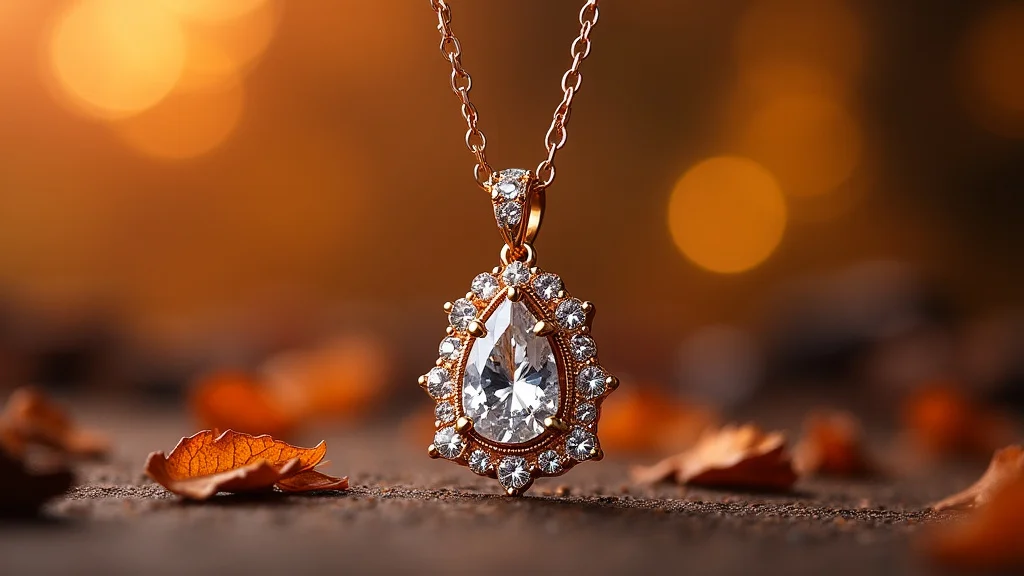
- Solitaire Pendants: These feature a single gemstone or a simple design, often set in a metal frame. Solitaire pendants offer a classic look that is often elegant and easy to pair with other pieces.
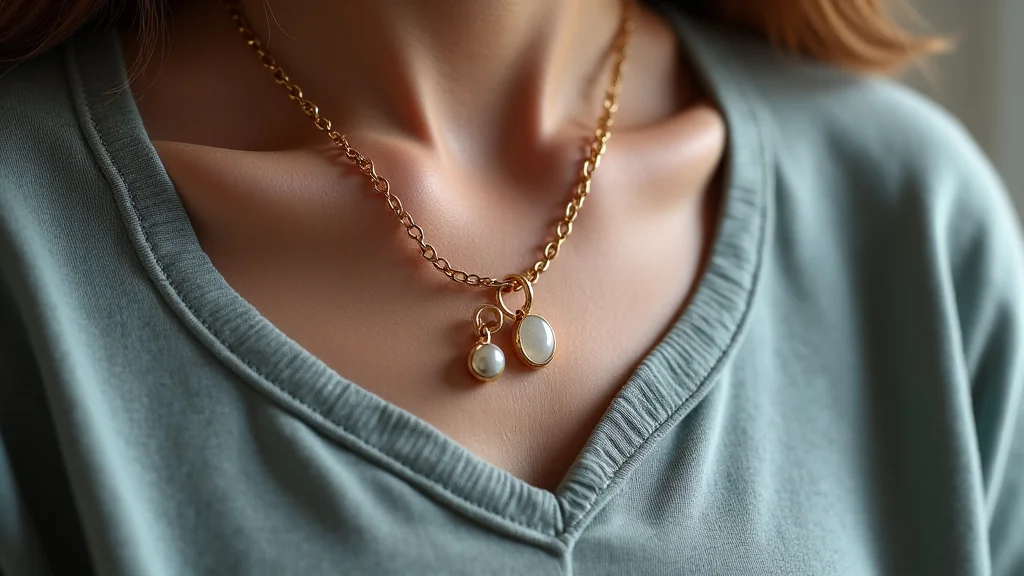
- Charm Pendants: These include small, decorative objects attached to a chain. Charm pendants can be symbolic, representing hobbies, travel, or meaningful people.
- Statement Pendants: Bold and eye-catching pieces often featuring large gemstones, intricate metalwork, or unique designs. Statement pendants are designed to be focal points.
- Locket Pendants: These pendants open to hold small photos or keepsakes. Lockets are often sentimental pieces, offering a private memento.
The gemstone’s cut and setting can dramatically affect its appearance, from a delicate diamond pendant to a bold emerald. Solitaire pendants are versatile and can be worn casually or for more formal occasions.
Charms come in a variety of shapes and styles, from delicate hearts to detailed animals. Charm pendants give the wearer an opportunity to build a personalized collection over time. These charms often tell a story about the wearer, creating a personal touch to necklace pendants and beads.
They can transform a simple outfit into something special. These pendants often showcase creative craftsmanship, providing an ideal expression of personal flair.
They can be worn as a symbol of love, remembrance, or connection. Lockets can be an elegant way to carry cherished memories close to your heart, adding a meaningful touch to the realm of necklace pendants and beads.
Bead Styles and Stringing Techniques
Beads bring texture, color, and variety to necklaces. Bead styles can range from simple, uniform beads to intricate, handmade designs. The way beads are strung, combined with the material and design, determines the final aesthetic of the necklace pendants and beads. Let’s explore some common bead styles and stringing methods.
- Strung Beads: These are traditional styles where beads are strung on a cord or wire. The type of bead, size, and spacing all create different looks.
- Graduated Beads: These necklaces feature beads that change in size, creating a visual flow. The effect can be subtle or dramatic.
- Beaded Chains: These necklaces involve beads attached directly to a chain, which provides the look of an elegant, delicate design. The beads can be evenly spaced or clustered.
- Seed Bead Necklaces: Seed beads are very small, uniform beads often used to make intricate patterns and designs. This allows for detailed craft.
Stringing can be simple (single strand) or complex (multiple strands). The chosen cord type (nylon, silk, or wire) affects both the necklace’s look and durability. Strung bead necklaces are classic and adaptable to many styles.
Graduated designs are perfect for drawing the eye. The range in size provides depth, making the necklace more visually interesting. A graduated look is suitable for both classic and modern styles, bringing sophistication to the collection of necklace pendants and beads.
Beaded chains add subtle shimmer. They can stand alone or be layered with other necklaces. The design is modern, allowing for creative combinations of metals, and it is a good way to introduce delicate pieces into your necklace pendants and beads collection.
These necklaces are often handmade and provide a bohemian or artistic style. Seed bead necklaces can be used to showcase colors, styles, and motifs. These are often seen as unique additions to necklace pendants and beads.
Matching Necklace Pendants and Beads with Outfits
Matching your necklace with your outfit is key for completing a look and improving your overall style. From the type of neckline to the colors and overall style of your outfit, the perfect necklace enhances your attire. Consider these tips to help select necklace pendants and beads.
Neckline Compatibility
The type of neckline of your top or dress is a key factor in selecting the appropriate necklace. Some necklaces complement specific necklines better than others. Understanding these combinations ensures a balanced, stylish presentation.
- Crew Neck: A round neckline, which works best with necklaces that sit at or above the collarbone. Consider chokers, short pendants, or multi-strand necklaces.
- V-Neck: A V-neck creates a vertical line, which is complemented by pendants that follow the same shape. Y-necklaces or pendants that hang at the point of the V are excellent choices.
- Scoop Neck: A scoop neck provides a curved opening that is perfect for necklaces that follow the curve, such as a choker or a necklace with a round pendant.
- Turtleneck: Because of the high neckline, necklaces are best used here. You may want to choose longer necklaces or statement pieces that will be visible.
These styles add interest without overwhelming the neckline. This combination provides a harmonious look, focusing attention on the upper chest area, while creating a balanced outfit. These are a great match for a necklace pendants and beads pairing.
This design emphasizes the neckline, elongating the silhouette. Necklaces with a V-shape enhance the effect, offering a refined appearance.
The rounded shape of the neckline is enhanced by necklaces that maintain the curve. This creates a complementary balance, ensuring that the necklace pendants and beads complement the overall effect.
These pieces create contrast and add a focal point. This contrasts the covered neckline. Bold colors or intricate designs will enhance the plain background, making your necklace pendants and beads a stylish addition.
Color and Style Coordination
The color and style of your outfit directly influence your necklace choice. You will want to select a necklace that balances or contrasts with your clothing to achieve the look you want. Coordinating the metal and gemstone colors with your outfit enhances the overall harmony.
- Color Matching: Choose a necklace that complements your outfit’s color scheme. Consider choosing necklaces with contrasting colors for a striking effect.
- Style Pairing: The style of the necklace should match the overall style of the outfit. For casual wear, consider choosing more relaxed necklaces like charm pendants or beaded chains.
- Metals and Skin Tone: Consider how the metal color enhances your skin tone. Silver and platinum often complement cooler skin tones.
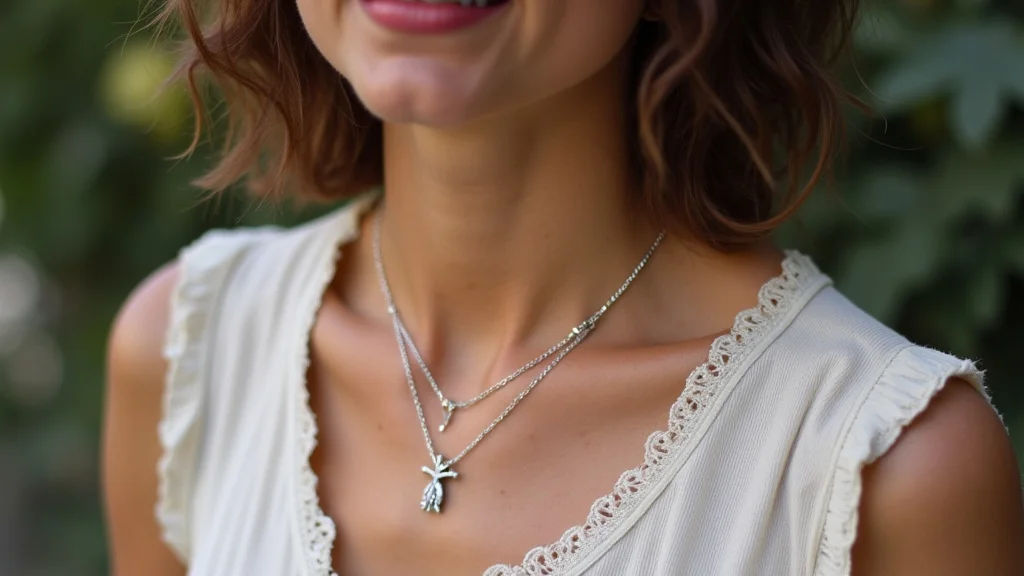
- Layering: Experiment with layering necklaces of different lengths and styles. Layering different necklaces can create a personalized look.
For example, a black dress can be highlighted by a colorful gemstone pendant or a metallic chain. When wearing neutral colors, like white or gray, almost any necklace style works well. Matching colors ensures a cohesive look, while contrasting colors provide visual interest to your choice of necklace pendants and beads.
Formal attire often goes well with more elegant pieces, like solitaire pendants or pearl necklaces. The style chosen should complement the occasion and overall aesthetic. A matching choice in necklace pendants and beads completes the outfit for any event.
Gold and rose gold typically look better with warmer skin tones. Matching the metal to your skin tone ensures a flattering effect, and makes sure your necklace pendants and beads are perfectly matched.
Layering offers a unique way to combine colors and textures, creating a fashion-forward ensemble. Layering adds depth and dimension. This styling method is an excellent way to combine various styles of necklace pendants and beads.
Sizing, Shape, and Weight: Essential Considerations
The size, shape, and weight of necklace pendants and beads are critical factors that influence both how a necklace looks and feels. These details impact comfort, style, and the overall impression a piece makes. Taking the time to consider these aspects is crucial for selecting necklaces that match your needs.
Size and Proportion
Size affects how a necklace appears on the body and can change the overall look. Selecting the correct size is necessary for comfort and style. The necklace’s size should match your body and outfit.
- Pendant Size: The size of the pendant should be proportionate to your frame and outfit. A large pendant can be overwhelming on a smaller person, whereas a small pendant may get lost.
- Bead Size: The size of beads affects the necklace’s weight and appearance. Smaller beads provide a delicate look.
- Chain Length: Consider the length of the chain, as it impacts the necklace’s position. Shorter chains (chokers) sit close to the neck.
Consider the scale of the pendant in relation to your body. Make sure the pendant works in harmony with the clothing and design. Consider this factor when considering necklace pendants and beads.
Larger beads create a more bold, noticeable style. Match the bead size to your desired overall aesthetic. For example, smaller beads complement more delicate looks.
Longer chains hang lower and can draw the eye. Experiment with different lengths to determine which ones complement your necklines and personal style. These are all part of making your choice in necklace pendants and beads.
Shape and Silhouette
The shape of necklace pendants and beads adds visual interest and impacts how the necklace drapes and looks. The shape chosen has a significant effect on the overall look. The shape adds to the overall design of the necklace and how it will be perceived.
- Pendant Shape: Pendants come in various shapes. Round pendants provide a classic appearance.
- Bead Shape: Bead shapes also affect the overall aesthetic. Round beads create a smooth, classic look.
- Silhouette: Consider how the necklace hangs and the overall silhouette it creates. A necklace that drapes gracefully enhances the neckline.
Geometric shapes add a modern touch. The pendant shape should match your style. Consider the outfit and other accessories when selecting a shape.
Faceted beads add sparkle and catch the light. Experiment with different bead shapes to create distinct designs.
A structured necklace can be ideal for a formal occasion. Consider the silhouette when choosing a necklace for any event. A key aspect in the world of necklace pendants and beads.
Weight and Comfort
The weight of a necklace influences how comfortable it feels when worn. Heavy necklaces can cause discomfort and may not be ideal for all situations. Comfort should be a key consideration, especially if you plan to wear the necklace for an extended time.
- Pendant Weight: A heavy pendant can pull on the chain and cause discomfort. Select pendants that are light enough.
- Bead Weight: The weight of the beads will also impact the overall weight of the necklace. Heavier beads can cause discomfort.
- Closure and Chain: A comfortable closure and chain are key to long-term wear. Ensure the closure is secure and easy to manage.
Consider the pendant’s size and materials. The weight should match your comfort. Heavy pendants are best for special occasions. These choices should be considered when selecting your necklace pendants and beads.
Choose lightweight options for everyday wear. The choice of the weight of the beads influences the overall comfort. This is a crucial element of necklace pendants and beads.
Choose a chain material that is soft against the skin. The best necklace pendants and beads are those that provide comfort during wear.
Care and Maintenance: Preserving the Beauty of Your Necklaces
Proper care and maintenance is key to preserving the beauty and extending the life of your necklace pendants and beads. Regular care will prevent tarnishing, fading, and damage. Understanding how to clean, store, and maintain your necklaces means you can protect them for years to come. Here’s a guide to ensure your pieces remain beautiful for a lifetime.
Cleaning and Polishing
Regular cleaning is essential for maintaining the shine and appearance of your necklaces. The cleaning process will vary based on the materials used. Proper cleaning techniques protect your investment. Here’s a basic guide to cleaning different materials.
- Metal Jewelry: Clean metal jewelry, like gold, silver, and platinum, with warm, soapy water and a soft cloth. Avoid abrasive cleaners that can scratch the metal.
- Gemstone Jewelry: Gemstones should be cleaned gently, with warm water and a soft brush. Avoid harsh chemicals, which can damage the stones.
- Beaded Necklaces: Beaded necklaces can be cleaned with a damp cloth and mild soap. Avoid submerging the necklace in water, particularly if it has a delicate stringing material.
For silver, use a polishing cloth to remove tarnish. Gold can be cleaned using a mild soap. Regular polishing maintains the shine. Always consult the manufacturer’s instructions. This is essential for all types of necklace pendants and beads.
Some gemstones require specialized care. You may want to consider professional cleaning for delicate or valuable stones. Consult the jeweler before cleaning your necklace pendants and beads.
Let the necklace dry completely before storing. Always check the bead material before cleaning. Always clean your necklace pendants and beads carefully.
Storage and Protection
Proper storage is essential to prevent damage, tangling, and tarnishing. Storing your necklaces correctly maintains their beauty. Follow these steps for the best results.
- Individual Storage: Store each necklace separately to prevent tangling and scratching. Use soft pouches or jewelry boxes with compartments.
- Avoid Exposure: Keep necklaces away from direct sunlight, extreme temperatures, and moisture. These conditions can damage gemstones and materials.
- Travel Care: When traveling, use a jewelry roll or a padded case to protect your necklaces. Ensure the necklaces are secure and will not move during transit.
This prevents chains from knotting and keeps pendants from scratching each other. The individual storage is best when selecting your necklace pendants and beads.
Store necklaces in a cool, dry place. Avoid storing them in bathrooms, where they can be exposed to humidity. These steps will protect your necklace pendants and beads.
This will prevent damage. This care will preserve the state of your necklace pendants and beads.
Regular Maintenance
Regular inspection and professional care can help maintain the beauty and durability of your necklaces. Regular maintenance enhances longevity. Here are some maintenance tips to consider.
- Inspection: Regularly inspect your necklaces for loose stones, worn clasps, and any damage. Address any issues promptly.
- Professional Cleaning: Consider having your necklaces professionally cleaned by a jeweler. Professional cleaning will remove dirt and oil.
- Repairs: If a clasp breaks or a stone falls out, get it repaired by a jeweler. Prompt repairs prevent further damage.
Check the chain for any signs of wear. The regular inspection is a key part of your necklace pendants and beads maintenance.
This is recommended for delicate stones and intricate designs. Having professional cleaning ensures your necklace pendants and beads remain beautiful for years.
Avoid trying to repair the necklace yourself. Prompt action ensures your necklace pendants and beads are always ready to wear.
Common Myths Debunked
Myth 1: Gold never tarnishes.
Reality: While gold is resistant to tarnish, it can still lose its luster over time due to contact with chemicals, lotions, and body oils. Regular cleaning is needed to maintain its shine.
Myth 2: All gemstones are equally durable.
Reality: Gemstones vary significantly in hardness and durability. Diamonds are very hard, while pearls and opals are more delicate and susceptible to damage. Always care for your necklace pendants and beads based on the gemstone’s properties.
Myth 3: Sterling silver is the purest form of silver.
Reality: Sterling silver is 92.5% silver and 7.5% alloy metals, typically copper. Pure silver is too soft for jewelry, so the alloy improves durability. However, sterling silver is more prone to tarnish.
Myth 4: You can clean all necklaces with the same method.
Reality: The cleaning method varies according to the materials. Harsh chemicals can damage gemstones, and submerging beaded necklaces in water can weaken the stringing. Know the best cleaning methods for your necklace pendants and beads.
Myth 5: Expensive jewelry is always higher quality.
Reality: The price reflects design, materials, and brand recognition, not always quality. Quality depends on craftsmanship, material purity, and the overall construction. Research and consider the value of the necklace pendants and beads.
Frequently Asked Questions
Question: How often should I clean my necklaces?
Answer: Clean your necklaces regularly, typically after each wear, to prevent build-up of dirt and oils. The frequency will vary based on how often you wear a particular piece.
Question: Can I wear my necklaces in the shower or while swimming?
Answer: It’s best to remove your necklaces before showering or swimming. Chemicals in the water and exposure to cleaning products can damage the materials and cause discoloration.
Question: What’s the best way to store my necklaces to prevent tangling?
Answer: Store each necklace separately in a jewelry box, pouch, or on a necklace stand. This will prevent tangling and potential damage from friction.
Question: How do I know if a gemstone is real?
Answer: Purchase your necklaces from reputable jewelers who provide certifications or documentation. Check for imperfections, which are often a sign of authenticity.
Question: Can I repair a broken necklace at home?
Answer: Minor repairs, like replacing a clasp, can be done at home. Complex repairs are best left to a professional jeweler. Make sure your necklace pendants and beads are in expert hands.
Final Thoughts
When selecting your necklace pendants and beads, it is all about considering the materials, designs, and personal style. From the type of metal used to the gemstone embedded, each element determines the aesthetics and appeal. Pendant and bead styles provide a varied range, from classic solitaires to innovative designs. Coordinating these with your outfits, understanding sizes, shapes, and weights, and implementing a care routine will let you enjoy your jewelry. Now that you’ve got a grasp of these points, explore your jewelry box, experiment with different combinations, and allow your necklace choices to express your individuality. You can now choose necklaces that match your personality and make a fashion statement.