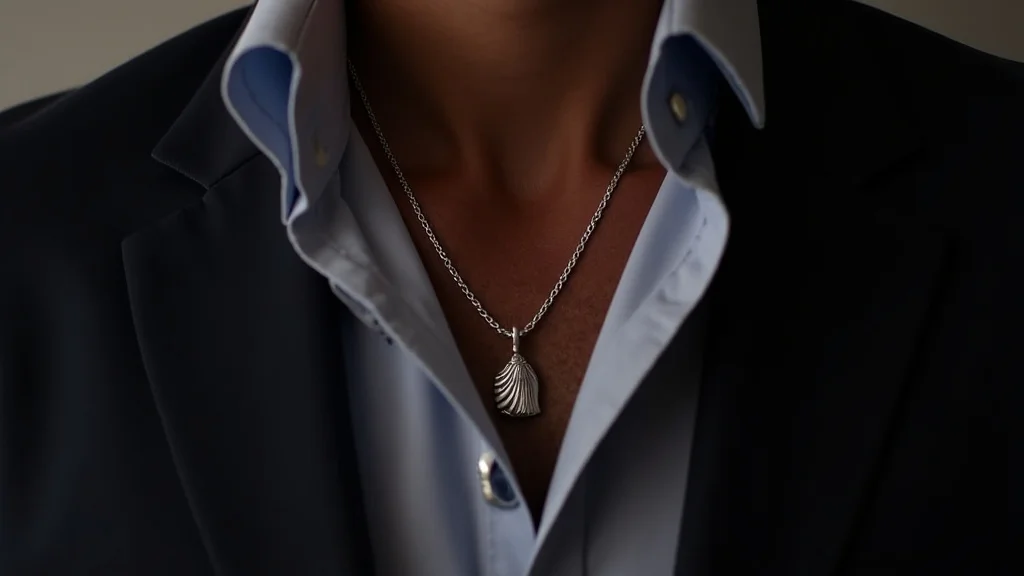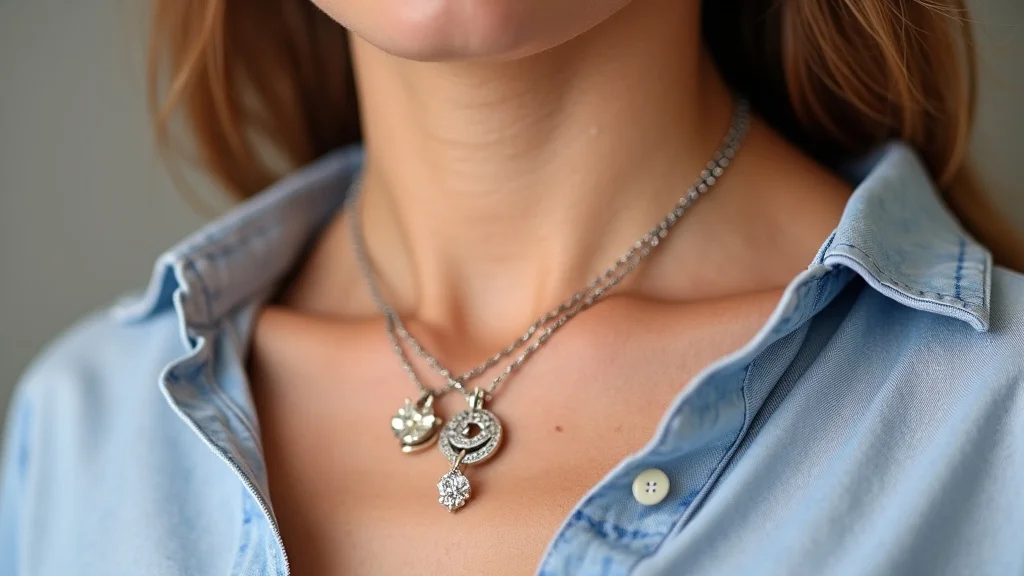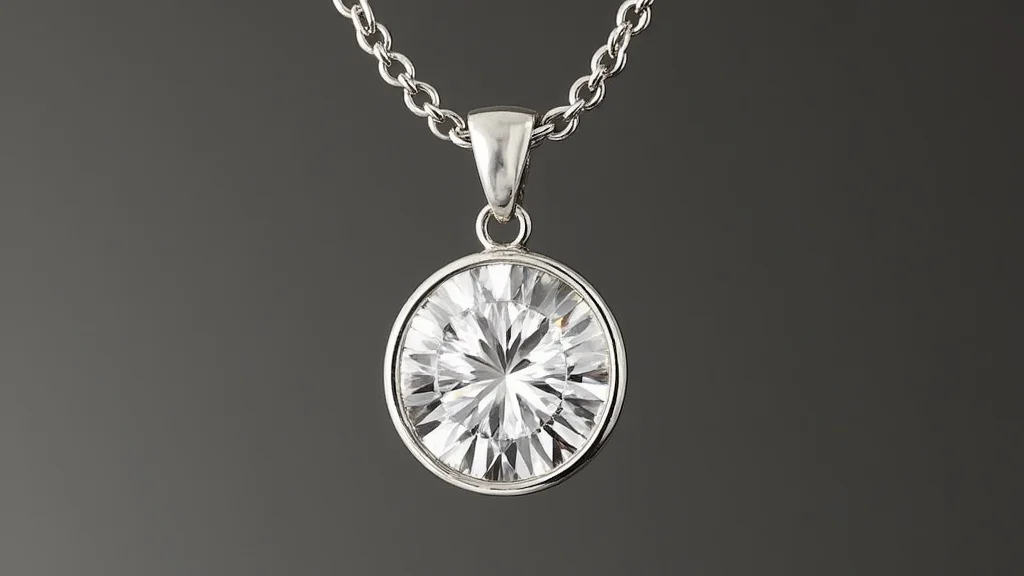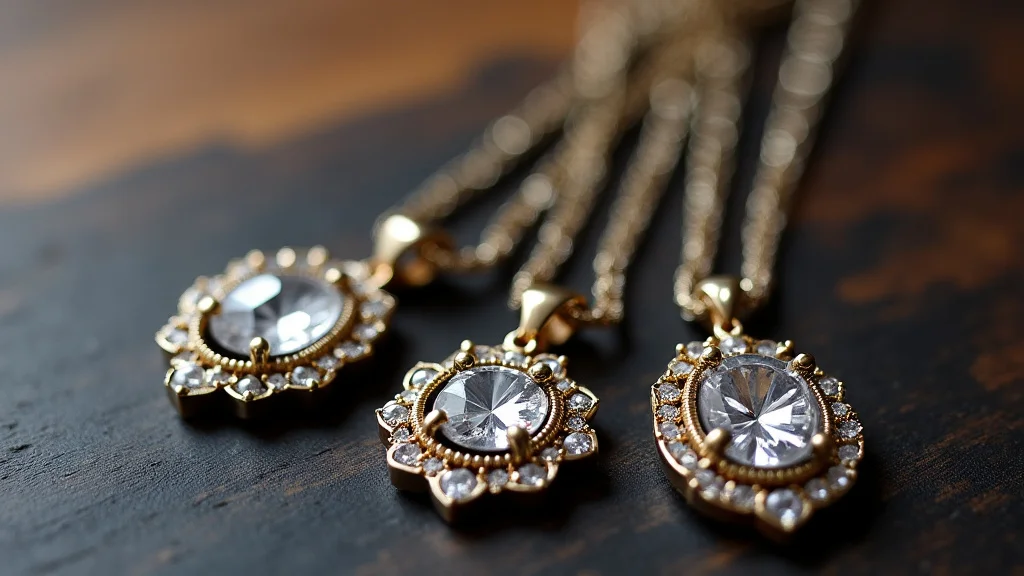
Remember that old box of treasures you found in your grandma’s attic? Remember the sparkling bits and pieces? Finding the perfect necklace pendants for jewelry making is like rediscovering those childhood joys, only you get to create something beautiful! In this guide, we’ll explore different types of pendants, the materials you can use, and some fantastic design ideas. You’ll learn how to choose the right pendant for your project, find inspiration, and create unique jewelry that expresses your personal style. By the end, you’ll feel empowered to begin crafting stunning necklaces and enhance your skills. Get ready to explore the exciting possibilities of necklace pendants!
Key Takeaways
- Explore diverse types of necklace pendants, from charms to statement pieces.
- Discover the best materials for your pendant creations, including metals, gems, and other options.
- Learn about essential tools and techniques for jewelry making with pendants.
- Find design inspiration and ideas to create original necklace designs.
- Understand the process of sourcing quality pendants and materials.
- Enhance your jewelry-making skills with practical tips and advice.
Unveiling the World of Necklace Pendants
The world of jewelry is vast and full of creative possibilities. The heart of any captivating necklace is often the pendant. These small, significant pieces can convey stories, memories, or simply a sense of style. The sheer diversity of necklace pendants for jewelry making is what makes crafting so engaging. They come in countless shapes, sizes, and materials, offering endless opportunities for self-expression and creative exploration. Think about the impact a simple pendant can have, transforming a simple chain into a piece of art that reflects your style.
Types of Necklace Pendants
There are many styles of pendants, each offering a unique look and feel. Selecting the proper pendant for your project sets the foundation for your jewelry creation. Knowing what is available helps you make informed design decisions. Whether you prefer classic charm pendants, elegant gemstone pieces, or contemporary statement pendants, you will be able to find the appropriate components. Experiment with different types and find which ones suit your tastes!
- Charm Pendants: Charm pendants offer a delicate and personal touch.
- Gemstone Pendants: Gemstone pendants bring vibrancy and natural beauty.
- Statement Pendants: Statement pendants make a bold fashion statement.
- Photo Pendants: Photo pendants provide a personalized touch.
- Metal Pendants: Metal pendants create a timeless look.
Charm pendants are small, often symbolic, pieces that can be easily attached to necklaces. They come in an assortment of shapes, such as hearts, stars, or animals, and are great for creating personalized jewelry. Charm pendants often represent something significant to the wearer, whether a memory, a hope, or a belief. They are often lightweight and blend easily with other pieces, and are a great way to add visual interest to a necklace without being overbearing.
Gemstone pendants are valued for their brilliance, color, and natural beauty. These pendants frequently use precious and semi-precious stones, such as diamonds, emeralds, sapphires, and amethysts. Each gemstone has its own character and qualities, with color and cut choices available for personalization. Gemstone pendants make great showpieces and often symbolize sentiments such as love, serenity, or wealth. These pendants are also an excellent way to incorporate unique textures and colors in your jewelry.
Statement pendants are designed to draw the eye, offering bold designs and eye-catching aesthetics. These pendants are frequently big, detailed, and striking, using unusual forms and materials. Statement pendants can be a fantastic way to convey a personal story, making a piece of jewelry an instant conversation starter. Statement pendants are for those who prefer their jewelry to be a strong expression of style, whether through a striking aesthetic or a unique message. These pieces tend to be more substantial, acting as the centerpiece of a necklace.
Photo pendants are made to hold a picture or a small memento, allowing the wearer to carry a cherished memory close to their heart. These pendants are often designed to be opened, revealing a photo or tiny artwork within. Photo pendants offer a sentimental touch, making them an ideal present for important occasions. The personalized nature of photo pendants adds a profound emotional connection to the jewelry piece, serving as a reminder of loved ones or special times.
Metal pendants are crafted from various metals, including gold, silver, bronze, and stainless steel. Metal pendants can range from simple, minimalist designs to elaborate patterns and artistic creations. The choice of metal influences the appearance and long life of the pendant, with gold frequently connected with luxury, silver with timelessness, and bronze with a vintage feel. Metal pendants are versatile, appropriate for many styles and personal tastes, and offer lasting appeal.
Materials for Necklace Pendants
The materials you select will heavily influence the look, feel, and price of your pendants. The choices are wide, spanning from classic metals to innovative materials. Whether you want to produce durable, high-end pieces or budget-friendly, fun creations, your material selection is key. Explore the characteristics of the various materials to ensure you pick options that will match your vision and design ambitions.
Metals for Pendants
Metal pendants bring durability and refinement. Metals such as gold, silver, and stainless steel are popular options in the world of necklace pendants for jewelry making due to their versatility and longevity. Each metal offers a distinct color, texture, and care requirements, making them ideal for any design. Choosing the appropriate metal is essential to the pendant’s overall appearance and wearability.
- Gold: A symbol of luxury, comes in various carats and colors.
- Silver: Offers a timeless elegance, often affordable.
- Stainless Steel: Durable and resistant to tarnishing.
- Brass and Bronze: Provide a vintage or rustic feel.
Gold is a classic and precious metal, often associated with luxury and value. Pure gold is too soft for use in jewelry, and it is usually alloyed with other metals to increase durability. The karat rating indicates the proportion of gold in the metal: 24k is pure gold, whereas lower karats indicate a combination with other metals. Gold pendants are available in many colors, including yellow, white, and rose gold. Gold pendants require some care, including periodic cleaning to maintain their brilliance.
Silver is another highly popular option. The reflective nature of silver gives pendants a bright, elegant appearance. Sterling silver, which contains 92.5% silver and 7.5% other metals, is a standard choice for jewelry. Silver is a flexible metal that works well in a variety of pendant designs, from delicate charms to elaborate statement pieces. It is usually more affordable than gold, making it accessible to a wider variety of jewelry makers. Proper care is needed to prevent tarnishing.
Stainless steel is a contemporary and practical material that is known for its strength and resistance to tarnish. Stainless steel pendants are great for casual jewelry and everyday wear. It is a cost-effective alternative to precious metals, providing a clean, modern aesthetic. Stainless steel is often hypoallergenic, making it a good choice for people with sensitive skin. Stainless steel pendants require little care and can withstand wear and tear, making them very popular.
Brass and bronze are alloys that provide warmth and a vintage feel to pendants. Brass is a mixture of copper and zinc, while bronze is a mixture of copper and tin. These metals are often less expensive than gold or silver, but they give a charming, antique appearance. Brass and bronze pendants are great for designs that seek a worn, aged look. These metals may tarnish over time, creating a patina that enhances their appearance.
Gemstones and Beads for Pendants
Gemstones and beads add color, texture, and character. Gemstones add shimmer and refinement to necklace pendants for jewelry making. These materials are perfect for making pendants that are colorful and distinctive. From brilliant diamonds and emeralds to a range of colorful beads, the possibilities are vast.
- Precious Gemstones: Diamonds, emeralds, rubies, and sapphires.
- Semi-Precious Gemstones: Amethyst, topaz, and aquamarine.
- Beads: Glass, crystal, and natural stone beads.
- Pearls: Offer a classic and elegant touch.
Precious gemstones, like diamonds, emeralds, rubies, and sapphires, are highly valued for their beauty, durability, and rarity. These gemstones give a sense of luxury and sophistication to any pendant design. Diamonds are valued for their brilliance and brilliance, while emeralds are known for their deep green hues, rubies for their vivid red, and sapphires for their rich blues. Precious gemstones can boost the value of pendants, making them great for special occasions.
Semi-precious gemstones provide an accessible choice for making colorful pendants. Popular semi-precious stones include amethyst (purple), topaz (various colors), and aquamarine (blue-green). These gemstones provide a range of colors and characteristics, allowing for creativity in jewelry design. The wide availability of semi-precious gemstones makes them an excellent choice for a wide variety of pendants.
Beads bring texture and color to necklaces. Beads are available in many materials, including glass, crystal, and natural stone. Glass beads are very affordable and available in a variety of colors and patterns, while crystal beads add elegance and shine. Natural stone beads, such as jade, agate, and onyx, add a unique, organic feel to pendants. Beads are ideal for creating elaborate, eye-catching designs.
Pearls are a classic choice that bring elegance and sophistication to any pendant design. Pearls can vary in size, shape, and color, each adding a special touch. Freshwater pearls and saltwater pearls are used to make pendants. Pearl pendants are timeless and suitable for both formal and informal events. The delicate beauty of pearls makes them a great option for developing classic and stunning pieces.
Other Materials
In addition to metals, gemstones, and beads, there are many other materials that are ideal for pendants. These materials allow for creative styles, letting you create unique and eye-catching pieces. From wood to resin and beyond, you have a wealth of possibilities.
- Wood: Adds a natural and rustic appearance.
- Resin: Versatile and great for unique designs.
- Leather: Provides a rugged and earthy feel.
- Fabric: Offers versatility in color and texture.
Wood is a unique material that adds a natural, rustic appearance to pendant designs. Wooden pendants are a good way to bring a natural touch to your jewelry. These pendants can be carved, engraved, or combined with other materials for different styles. Wood is light and comfortable to wear, making it an excellent choice for everyday wear. Wood pendants look fantastic in modern and boho jewelry.
Resin is an adaptable material that allows for innovative and eye-catching pendant designs. Resin can be molded into various forms, combined with glitter, colors, or inclusions, such as flowers or little objects, to create unique effects. Resin pendants can be crystal clear or colorful. This is an accessible and fun material for both professional and amateur jewelry makers. Resin pendants are often lightweight and can be worn casually.
Leather is a durable and earthy material. Leather pendants are a wonderful way to add a rugged touch to your jewelry. Leather is available in many colors and textures, from smooth and glossy to textured and rough. Leather is an excellent choice for casual jewelry, and it combines well with other natural materials like wood and metal. Leather is a flexible material, enabling many design styles.
Fabric pendants can be created from a variety of materials, providing versatility in color and texture. Fabrics like felt, silk, and cotton can be used to create distinctive and eye-catching pendants. Fabric pendants can be embellished with stitching, beads, or other decorations. They are excellent for individuals who like to experiment with diverse textiles and textures. Fabric pendants are ideal for a delicate, unique look.
Essential Tools and Techniques
Having the correct tools and knowing the essential techniques is crucial for effective necklace pendants for jewelry making. Proper tools will allow you to make well-finished, long-lasting pieces, while understanding the basics of jewelry making will open the doors to limitless creative opportunities. This section covers fundamental tools, common techniques, and helpful advice to enable success.
Essential Tools for Jewelry Making
Working with the right tools is necessary for crafting jewelry. Having the right tools on hand allows you to work safely and efficiently, resulting in better finished products. Whether you are a novice or a seasoned maker, selecting the right equipment is essential for success. The right tools can simplify the process, improve quality, and expand design possibilities.
- Jewelry Pliers: For bending, shaping, and gripping.
- Wire Cutters: Cutting wires and other materials.
- Bead Board: A surface for arranging and designing.
- Measuring Tools: Rulers, calipers, and gauges.
- Hammer and Anvil: Shaping and texturing metals.
Jewelry pliers are a necessary tool for jewelry making, used for manipulating wire, bending metal, and gripping tiny components. Different types of pliers serve different purposes, such as round-nose pliers for making loops, flat-nose pliers for gripping and flattening, and chain-nose pliers for detailed work. Having a variety of pliers allows for a wide range of tasks, from making simple jump rings to complex wire designs.
Wire cutters are used to cut wires, chains, and other materials used in jewelry making. These cutters are intended to provide clean, precise cuts. It is important to have high-quality wire cutters, since they will ensure clean cuts. This avoids fraying or rough edges, which would make the jewelry look unprofessional. Wire cutters are an essential tool for creating professional jewelry.
A bead board is an essential tool for organizing and designing your jewelry projects. This board typically has grooves and compartments for arranging beads, pendants, and other components. A bead board makes it easy to experiment with various designs. Bead boards can save time, particularly when working with complex patterns. The right board allows you to quickly see and visualize your design before assembling the pieces.
Measuring tools are necessary for accuracy and consistency in jewelry making. Rulers, calipers, and gauges help measure materials and guarantee that your pieces fit well. Calipers give precise measurements of the diameters of beads and pendants, whilst gauges assess the wire thickness. Accurate measurements are essential for creating professional-looking jewelry.
A hammer and anvil are essential tools for shaping and texturing metals in jewelry making. The hammer is used to shape the metal, while the anvil provides a firm surface for striking. Hammers come in many styles, such as ball-peen hammers, which are great for rounding shapes, and chasing hammers, which are perfect for hammering patterns. Using a hammer and anvil provides texture and form, providing jewelry with a unique look.
Techniques for Jewelry Making
Understanding fundamental techniques is key to creating excellent jewelry. These techniques provide the foundation for a wide range of designs. Whether you’re a beginner or have some experience, learning these methods will improve your creative potential and ability to create stunning pieces. From threading beads to soldering metals, these methods enable various design choices.
- Wire Wrapping: Creating loops and connections.
- Bead Stringing: Threading beads onto wire or cord.
- Clasping: Attaching clasps and findings.
- Soldering: Joining metal pieces with heat.
- Metal Stamping: Adding personalized designs.
Wire wrapping is a method for creating loops, connections, and decorative accents. This method includes using wire to connect beads or pendants to create attractive designs. Wire wrapping is a versatile method that needs a few simple tools, such as pliers and wire cutters. The basic concept is to tightly wrap wire around components, resulting in secure and beautiful connections. Wire wrapping is great for beginners and allows for complex and artistic designs.
Bead stringing is a simple yet adaptable method for creating necklaces, bracelets, and earrings. This technique involves stringing beads onto a wire, cord, or thread to form the desired jewelry piece. Various materials can be used for stringing, including beading wire, elastic cord, and silk thread. The approach may involve simple threading to more complex patterns. Bead stringing is ideal for making personalized pieces that meet different aesthetic styles.
Attaching clasps and findings is a necessary part of jewelry making. This process secures the necklace, bracelet, or other jewelry items. Clasps and other findings offer a safe and functional closure system. The method typically involves using pliers and other tools to attach clasps to the ends of the jewelry piece, ensuring that it is safe and comfortable to wear. Properly attaching clasps is critical for durability and a good user experience.
Soldering is a complex method used to permanently connect metal pieces. This technique involves melting solder and flowing it between metal joints using heat from a torch. Soldering is essential for building strong, long-lasting jewelry pieces. Soldering is often used for creating metal frames for pendants, attaching findings, or building components. This technique requires practice and skill, with appropriate safety precautions. Soldering can make the pendant more visually appealing.
Metal stamping is a method for adding customized designs, messages, or patterns. This technique uses a hammer and metal stamps to imprint designs on metal. Metal stamping offers personalization to jewelry, allowing the designer to add names, dates, or unique patterns. Metal stamping can be done on pendants, charms, or other metal components. This method is an effective way to personalize your creations.
Finding Inspiration and Design Ideas
Finding design ideas and inspiration is an important step in your creative process. Inspiration may come from various sources. Looking at other pieces of art, going through nature, or researching current trends might offer new concepts. This section will help you explore various sources of creativity, provide design examples, and share advice to keep your design process going.
Sources of Inspiration
Creativity can be found from many sources. From the natural world to popular culture, you may discover a wealth of ideas to inspire your jewelry designs. Exploring different sources of creativity is a fantastic way to develop your design abilities and come up with distinctive ideas.
- Nature: Colors, patterns, and forms.
- Art and Design: Explore various art movements and styles.
- Fashion Trends: Stay updated on current styles.
- Travel and Culture: Incorporate patterns and motifs.
- Social Media: For new ideas and trends.
Nature is a rich source of inspiration for jewelry designers. The complexity of nature provides a wide variety of colors, textures, and forms to draw upon. From the flowing curves of leaves to the intricate details of seashells, nature gives a wealth of possibilities. Nature’s colors and patterns can be incorporated into jewelry. Nature is an excellent starting point for inspiration, whether creating realistic representations or conceptual designs.
Art and design are also fantastic sources of ideas. The works of other artists may inspire your creativity. Explore various art movements, such as Art Deco, Art Nouveau, or contemporary art, to observe different styles and approaches. Studying different designers’ use of color, shape, and composition can inspire your designs. Looking at different art forms, such as sculpture, painting, and textile design, can provide fresh perspectives on design elements.
Fashion trends can significantly affect jewelry designs. Following what is new and popular helps you to incorporate modern and attractive designs. Following fashion trends guarantees that your designs are modern and applicable. Trend analysis also offers insight into popular themes and color schemes. Stay updated on current trends to keep your jewelry designs relevant and appealing. Following the trends allows you to adapt them into your designs.
Travel and culture can offer a wealth of creative ideas. Experiencing various civilizations and their traditions provides a wide range of inspirations for jewelry designers. The patterns, colors, and motifs seen in various cultures may affect your jewelry designs, adding depth and narrative. Cultural jewelry may also evoke ideas of history and heritage. Incorporating cultural elements allows you to generate meaningful and fascinating jewelry.
Social media is a strong platform for learning new ideas and trends. Platforms like Instagram, Pinterest, and TikTok offer a variety of visual content. Browse hashtags like #jewelrydesign or #handmadejewelry to find other creators and current trends. Social media may offer insight into what other people enjoy and provide a venue to share and gather feedback on your work. The quick and accessible nature of social media is an amazing resource for discovering fresh design ideas.
Design Examples
Looking at some design examples can stimulate your imagination and offer advice on how to create distinctive jewelry. Different design ideas provide inspiration and advice for developing your designs. Consider these examples to help you create fantastic necklace pendants for jewelry making.
- Minimalist Pendants: Simple shapes and clean lines.
- Bohemian Pendants: Combining natural materials and textures.
- Vintage-Inspired Pendants: Incorporating antique elements.
- Statement Pendants: Bold designs with unique elements.
- Personalized Pendants: With initials, names, or quotes.
Minimalist pendants are characterized by their simple forms and clean lines, emphasizing simplicity and understated beauty. These pendants frequently use simple shapes, like circles, squares, or geometric patterns, with a single, focal material or element. Minimalist designs frequently use materials such as sterling silver, gold, or sleek, contemporary metal finishes to give a clean and modern appearance. Simple pendants work nicely for everyday wear.
Bohemian pendants combine natural materials and textures, and are inspired by a carefree, artistic lifestyle. These pendants frequently incorporate natural materials such as wood, leather, beads, and feathers to give a free-spirited, rustic appearance. Boho designs often use a mix of textures and components, producing layered, eclectic jewelry. Boho pendants are for those who prefer jewelry with a sense of adventure.
Vintage-inspired pendants draw inspiration from historical jewelry, incorporating antique elements and classic designs. These pendants often include elaborate metalwork, detailed carvings, or classic gemstone settings, giving a sense of timeless elegance. Vintage pendants can feature reproductions of traditional motifs, such as cameos or lockets, to evoke a nostalgic appeal. Vintage-inspired jewelry has a timeless, classic feel.
Statement pendants are designed to draw the eye, offering bold designs and eye-catching aesthetics. Statement pendants are for those who choose jewelry to make a strong fashion statement. These pendants often feature unusual shapes, large sizes, or brilliant color schemes to get attention. Statement pendants are for those who choose jewelry to be a strong expression of style. The dramatic appearance is a fantastic way to convey your individuality.
Personalized pendants are made to be significant and one-of-a-kind. These pendants are personalized with initials, names, dates, or unique quotations, enabling the wearer to express personal tales or ideas. Personalized pendants are often used for gifting, making jewelry a sentimental and unforgettable item. Personalized jewelry provides emotional value and adds a personal touch to any outfit.
Tips for the Design Process
Getting advice on the design process may assist in developing original and interesting jewelry. The design process can be thrilling, but it may also be daunting. Following are some tips for design to help you create fantastic necklace pendants for jewelry making.
- Sketching Ideas: Start with drawings.
- Creating Mood Boards: For color and material inspiration.
- Prototyping: Testing designs before final creation.
- Considering Wearability: Comfort and practicality.
- Seeking Feedback: Get opinions from others.
Sketching ideas is a great way to start any jewelry design. A sketchpad can help you put your thoughts on paper, even before you go to the materials stage. Begin by sketching out various pendant designs, experimenting with shapes, sizes, and elements. Sketching may assist in the rapid development of ideas. Sketching allows for quick modification and experimentation.
Creating mood boards is a fantastic method for developing a sense of color, materials, and overall aesthetic. A mood board is a visual collage that brings together pictures, swatches, and inspirations to illustrate the concept of your jewelry design. Use mood boards to gather color schemes and material samples to have a visual guide for your project. Mood boards offer a visual guide for your concept.
Prototyping, the procedure of creating a preliminary model or a test piece, is a vital step in jewelry design. By prototyping, you can see how your design looks and feels. Prototyping allows for experimentation and modification, enabling you to improve your design before creating the actual piece. Prototyping helps with design refinement and offers valuable insight into your design.
Considering wearability is critical in jewelry design, ensuring that the piece is pleasant, functional, and suitable for the wearer. Think about the weight, size, and proportions of the pendant, and how it will sit on the skin. Wearability enhances the overall appeal of the jewelry piece. Keep wearability in mind throughout the design process to create jewelry that is both lovely and wearable.
Getting opinions from others provides important perspectives and helps in the refinement of your designs. Show your designs to friends, family, or other jewelry makers. Getting advice from others may highlight areas for development and provide fresh ideas. Getting feedback is a useful method for improving jewelry design and producing work that matches the tastes of others.
Sourcing Quality Pendants and Materials
Sourcing quality pendants and materials is critical to the quality and longevity of your jewelry. The source of your components will have a direct impact on your jewelry’s appearance, function, and value. This section will assist you in selecting dependable suppliers, understanding materials, and recognizing high-quality components for your projects.
Finding Reliable Suppliers
Choosing dependable suppliers is critical for a smooth and successful jewelry-making experience. A dependable supplier will provide high-quality items and excellent service. From online stores to local workshops, this section provides useful advice to help you find the best sources for materials.
- Online Marketplaces: Extensive selection and ease of access.
- Local Jewelry Supply Stores: For in-person inspection and support.
- Wholesale Suppliers: For bulk purchases and cost savings.
- Trade Shows and Craft Fairs: Networking and finding unique materials.
- Reputable Suppliers: Checking reviews and reputations.
Online marketplaces provide a wide range of options and easy accessibility, making it simple to find and purchase necklace pendants for jewelry making components. Platforms like Etsy, Amazon, and specialized jewelry supply shops offer a wide variety of pendants, beads, and tools. Online marketplaces allow for comparison, ensuring that you can locate high-quality components. Online marketplaces provide convenience and access to a broad worldwide marketplace.
Local jewelry supply stores provide the opportunity to examine materials in person, talk with specialists, and receive personalized assistance. These stores offer tactile experiences with materials and allow you to examine the quality, finish, and other aspects of pendants and components. Local stores also provide professional assistance from experienced personnel who can address your questions and provide advice. Local shops are a great source for materials.
Wholesale suppliers are great for jewelry makers who buy in quantity, giving large-scale purchases at reduced costs. Wholesale sources offer a greater range of pendants, beads, and materials, making it easier to meet large-scale project requirements. Wholesale purchases offer savings, which can improve your profit margin. Wholesale suppliers offer competitive pricing for makers.
Trade shows and craft fairs provide amazing chances for networking and finding distinctive materials. These gatherings bring suppliers, jewelry makers, and artisans together, enabling you to explore new components, develop supplier connections, and be inspired. Trade shows and craft fairs enable networking and inspiration, letting you uncover new trends, and connect with other members of the jewelry-making community.
Buying from trustworthy vendors guarantees the quality and dependability of your components. Before making a purchase, study the reviews and reputation of vendors, considering things like customer service and product quality. Reputable vendors offer better products, which is essential to creating beautiful, professional-quality jewelry. Purchasing from dependable sources is essential for quality assurance.
Understanding Material Quality
Knowing the quality of your materials is crucial for making jewelry that looks good and is long-lasting. Whether you’re working with metals, gemstones, or other materials, knowing how to spot high-quality components is essential. This section gives a detailed look at the important aspects of material quality.
- Metal Purity: Gold karats and sterling silver standards.
- Gemstone Grading: Clarity, cut, color, and carat weight.
- Bead Quality: Evaluating luster, color, and uniformity.
- Findings Quality: Considering durability and finish.
- Care and Storage: Ensuring long-lasting jewelry.
Metal purity is a critical factor influencing the value, appearance, and longevity of your jewelry. Gold purity is determined by karats: 24K gold is pure gold, while lower karats imply a mixture with other metals to improve durability. Sterling silver is usually 92.5% silver and 7.5% other metals. Metal purity affects the color, brilliance, and overall quality of your jewelry.
Gemstone grading is used to assess the beauty and value of gems, depending on clarity, cut, color, and carat weight. Clarity refers to the absence of inclusions or flaws within the gem. The cut impacts the gemstone’s brilliance and light reflection. The color is essential, and carat weight is a measurement of the gemstone’s size. Knowing these elements is essential for determining a gem’s worth.
Bead quality is essential for the appearance and durability of your jewelry. Assess the luster, color, and uniformity of the beads. Luster, which refers to the bead’s shine, color and consistency influence its appeal and the overall design. When selecting beads, it is crucial to match the material, color, and size with your design needs. The quality of beads affects the durability and aesthetics of your jewelry.
Finding quality, including clasps, jump rings, and chain, affects the durability and appearance of your finished jewelry. Select findings made of high-quality materials, such as sterling silver or gold-filled components. Pay attention to the finish, which should be smooth, consistent, and resistant to tarnish. Finding quality assures the jewelry’s longevity and quality.
Proper care and storage protect your jewelry and retain its quality over time. Clean your jewelry regularly to eliminate dirt and debris. Store your jewelry individually to prevent scratches and tangling. Avoid exposing your jewelry to harsh chemicals or extreme temperatures. Proper care will extend the life of your jewelry.
Common Myths Debunked
There are many misconceptions about necklace pendants for jewelry making. These ideas might keep you from experimenting with new materials and designs. This section provides accurate facts to debunk prevalent misunderstandings.
Myth 1: Jewelry Making Is Too Difficult to Learn.
In reality, jewelry making is a skill that can be acquired through practice and patience. Many free and affordable resources, such as books, videos, and online courses, are available for people of all skill levels. With persistence and dedication, anyone may master the fundamentals of jewelry making and generate their pieces.
Myth 2: You Need Expensive Tools to Get Started.
While specialist tools can improve the jewelry-making experience, you don’t require expensive equipment to start. Many projects can be completed with a few basic tools such as pliers, wire cutters, and a bead board. As you acquire expertise and confidence, you may progressively expand your equipment collection.
Myth 3: All Jewelry Must Be Made With Precious Metals.
While precious metals are a great option for jewelry, you are not limited to them. A wide variety of materials, including gemstones, wood, resin, and various metals such as stainless steel and brass, can be used to create distinctive and attractive designs. Choosing the right material depends on your creative vision.
Myth 4: Jewelry Making Is Only for Skilled Artists.
Jewelry making is an accessible art form for everyone. Whether you’re a seasoned artist or a beginner, jewelry making gives you opportunities for creativity and self-expression. Try various methods and materials to find your style. Jewelry making is a fun and gratifying pastime.
Myth 5: It’s Hard to Sell Handmade Jewelry.
Selling handmade jewelry can be a rewarding endeavor. With the advent of online marketplaces, social media, and local craft fairs, there are various channels to exhibit and market your creations. Quality craftsmanship, excellent photography, and powerful marketing may help you create a successful jewelry brand.
Frequently Asked Questions
Question: What’s the best metal for beginners in necklace pendants?
Answer: Stainless steel or silver-plated metals are great options for beginners due to their affordability and ease of use.
Question: How do I measure the size of a pendant?
Answer: Use a ruler or calipers to measure the length, width, and thickness of the pendant.
Question: What are the best ways to store handmade jewelry?
Answer: Store each piece separately in soft pouches or boxes to prevent scratches.
Question: How can I clean my pendant?
Answer: Use a soft cloth to gently wipe the pendant. Avoid harsh chemicals.
Question: Where can I find design inspiration?
Answer: You can find inspiration in nature, art, fashion, and online platforms.
Final Thoughts
Exploring the possibilities of necklace pendants for jewelry making is an exciting adventure into creativity and self-expression. We’ve explored different types of pendants, materials, tools, and design ideas. You’ve learned about sourcing quality materials and debunked common misconceptions. Now, you are equipped with the knowledge and inspiration to begin making your own unique jewelry. Experiment, make mistakes, and have fun. The more you explore, the more your skills will improve. Now, gather your supplies and begin creating remarkable necklaces that reflect your personality and artistry. Happy creating!