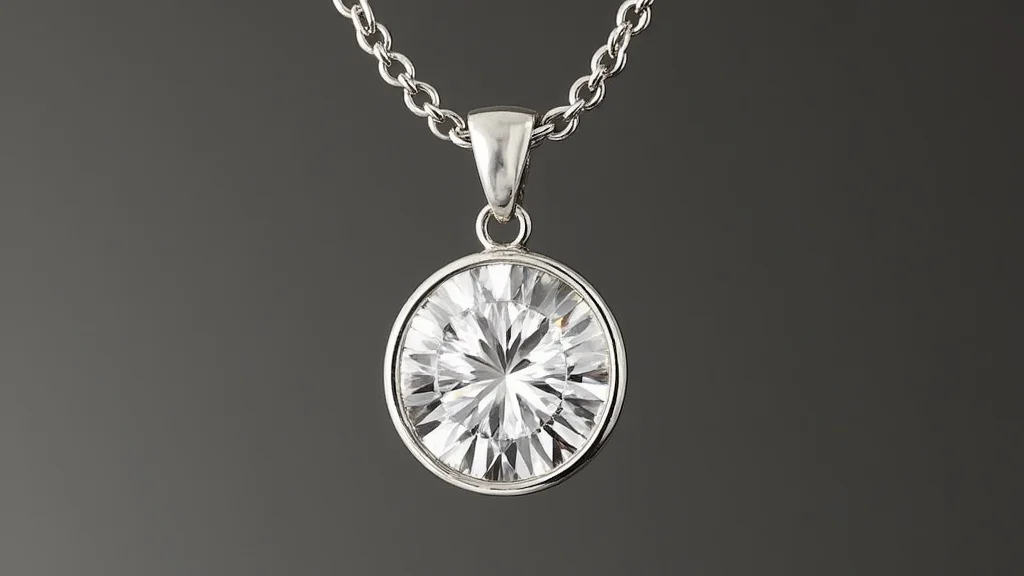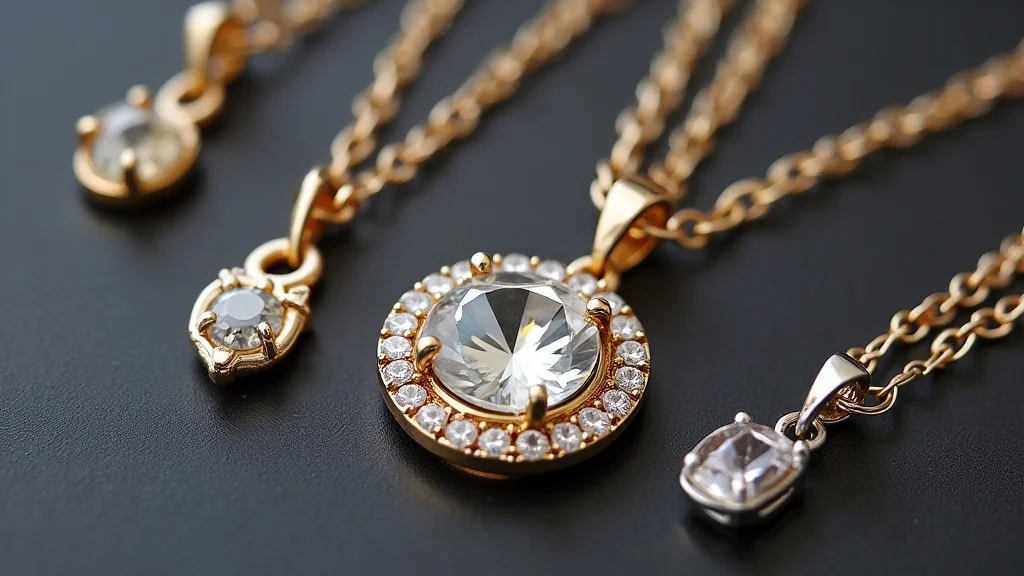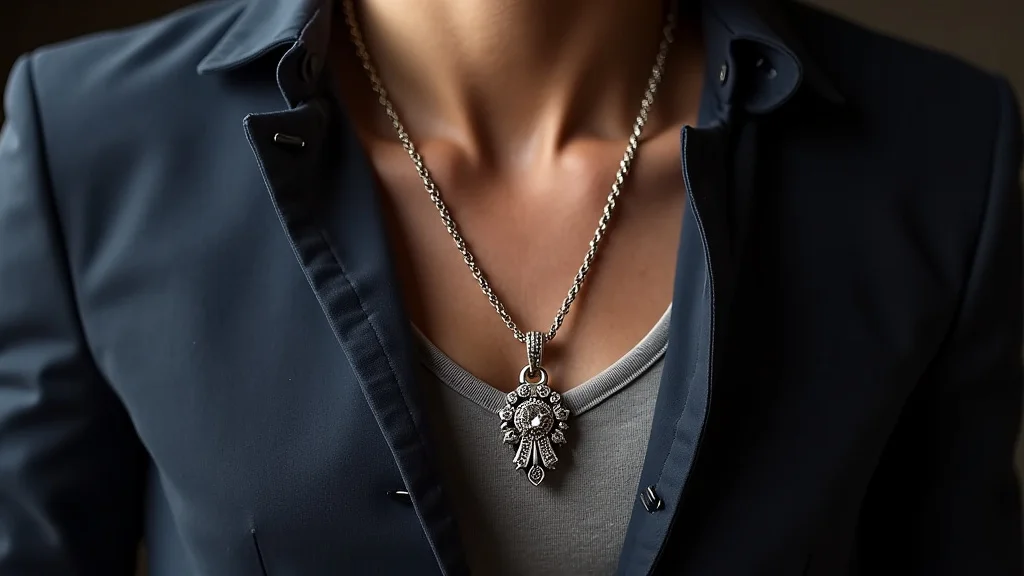
Picture this: you’re at a gathering, and you notice a guy effortlessly pulling off a stylish look. What’s his secret? Often, it’s a simple, yet impactful accessory: a well-chosen necklace pendant for men. Finding the right one can transform your entire aesthetic, expressing your personality with subtle flair. This guide will walk you through everything you need to know, from materials and styles to how to choose the perfect piece. Get ready to discover how a necklace can significantly improve your style, boosting your confidence and leaving a lasting impression on everyone you meet. We’ll show you how to select the right pendant, wear it with confidence, and make it your own. You’ll also learn the differences between the types and styles of men’s necklace pendants.
Key Takeaways
- Discover various necklace pendant styles suitable for men.
- Learn about different materials and their properties.
- Understand how to choose a pendant that suits your personal style.
- Explore how to wear necklace pendants to complement different outfits.
- Find out where to buy high-quality necklace pendants for men.
- Get tips on maintaining and caring for your pendant.
Choosing the Right Necklace Pendants for Men
Selecting the right necklace pendants for men involves considering several factors, including your personal style, the occasion, and the materials used. The goal is to find a pendant that complements your existing wardrobe and reflects your personality. Whether you are aiming for a casual look or a more sophisticated appearance, the choices are vast, ranging from minimalist designs to bold, statement pieces. The material of the pendant, along with the length and style of the chain, plays a significant role in the overall aesthetic. Selecting the correct piece ensures the pendant enhances your features and fits seamlessly with your ensemble.
Understanding Different Pendant Styles
The variety in necklace pendant styles is extensive, with each design offering a distinct look and feel. Some popular styles that men gravitate towards include dog tags, which provide a classic and functional aesthetic. Other options involve cross pendants, a timeless symbol of faith and style. Geometric shapes, like triangles, squares, or circles, offer a modern touch and can be paired with various outfits. Furthermore, more unique designs incorporating natural elements, such as stones or wood, are an excellent choice for a rugged appearance. Understanding these styles helps narrow down the perfect choice to reflect your personal flair and fashion tastes.
- Dog Tags: These pendants offer a military-inspired look, often personalized with initials or meaningful messages. They’re a classic, versatile choice that complements casual attire.
- Cross Pendants: A timeless symbol, cross pendants are suitable for those who wish to express their faith. They come in diverse materials and designs, suitable for formal and informal wear.
- Geometric Shapes: Featuring clean lines and contemporary designs, geometric pendants are a fashionable choice for modern men. They work well with various fashion aesthetics, adding a touch of sophistication.
- Natural Elements: Pendants that incorporate natural elements like wood, stone, or shells provide a unique and earthy look. They suit a more laid-back, outdoorsy style.
Matching Pendants With Outfits
Coordinating your necklace pendant with your outfit is key to achieving a cohesive and stylish appearance. Consider the formality of your attire: a simple, understated pendant is generally best for formal settings, whereas a bolder piece can be worn in casual environments. Color coordination also plays a significant role; match the pendant’s metal or color with other accessories, such as your watch or belt buckle. The size and shape of the pendant should also complement your body type and neckline. Knowing how to integrate your necklace pendant with your clothing enhances your style and boosts your overall look.
- Casual Wear: For casual outfits, opt for pendants made of stainless steel, leather, or those with unique designs, like a skull or a geometric shape.
- Business Casual: Choose sleek, understated pendants made of silver or gold. A simple cross or a minimalist design works best.
- Formal Attire: Stick to pendants that are small, simple, and elegant. Consider a pendant made of precious metals, such as gold or platinum, without any overly elaborate designs.
- Layering: Experiment with layering necklaces with varying lengths and styles. Start with a longer chain, adding shorter ones to create a dynamic look.
The Importance of Pendant Materials
The material of your necklace pendant is critical not only for aesthetics but also for durability and maintenance. Popular choices include stainless steel, known for its resistance to tarnish and wear, making it an excellent option for daily wear. Gold pendants offer a classic and luxurious feel, but they often come with a higher price tag. Silver pendants have a timeless appeal and are versatile in different designs. Consider the material’s properties such as hypoallergenic qualities and the potential for reactions to your skin. The right material will ensure the pendant suits your lifestyle and adds to your overall appeal.
- Stainless Steel: This material is known for its durability and resistance to tarnish. It is ideal for everyday wear and requires minimal maintenance.
- Gold: Gold offers a premium, timeless appeal and is often considered a symbol of wealth. It comes in various purities (karats), with higher karats being softer and more prone to scratches.
- Silver: Silver pendants are versatile and affordable, offering a classic look that complements various styles. Regular cleaning is needed to maintain its shine.
- Leather: Leather pendants provide a rugged, natural aesthetic, often complemented by other materials, like wood or metal. Leather requires specific care to prevent drying or cracking.
Materials and Construction of Men’s Necklace Pendants
The construction and materials used in men’s necklace pendants vary widely, affecting the pendant’s overall appearance, durability, and cost. Understanding these aspects is essential to making an informed decision. The materials used range from precious metals like gold and silver to durable options like stainless steel, each offering unique characteristics. Construction methods involve various techniques such as casting, stamping, and handcrafting, which impact the pendant’s detail and the craftsmanship. Knowing the materials and construction gives you the knowledge to pick pendants that suit your lifestyle and style preferences.
Exploring Metal Options
Metals remain the most common choice for necklace pendants due to their versatility and durability. Stainless steel is a popular choice for its affordability and resistance to corrosion, making it suitable for daily wear. Gold, available in various karats, provides a luxurious, lasting appearance, with 14k and 18k being common choices for their balance of durability and richness. Silver offers a timeless appeal, often complemented with other materials and intricate designs, but requires regular cleaning to maintain its shine. Each metal offers a distinct look and feel, so selecting the metal that aligns with your personal style and budget is essential.
- Stainless Steel: A durable metal that resists rust and scratches, ideal for daily use. It is usually hypoallergenic and requires low maintenance.
- Gold (Various Karats): Gold’s value and luxurious look make it a premium choice. The karat level determines its purity and, subsequently, its softness and price.
- Silver (Sterling Silver): Silver’s classic look offers a stylish aesthetic. Sterling silver contains 92.5% pure silver and 7.5% other metals, usually copper, for added durability.
- Titanium: Strong and lightweight, titanium pendants are great for those seeking a modern look. It’s hypoallergenic and resistant to corrosion.
Non-Metal and Mixed Material Pendants
Besides metals, a range of other materials can be used for necklace pendants, offering unique designs and textures. Wood pendants provide a natural, earthy feel, making them suitable for casual wear. Leather pendants add a rugged element, often paired with metal or stone details. Stone pendants, such as gemstones or semi-precious stones, add color and sophistication. Mixed-material pendants combine different components, like metal with wood or leather, enhancing design possibilities. The non-metal and mixed-material options provide a distinctive aesthetic and an opportunity for personalization.
- Wood: Wood pendants offer a unique, organic appeal. They are usually lightweight and can be carved into various shapes and designs.
- Leather: Leather pendants add a rugged element, commonly seen in casual or bohemian styles. They require special care to ensure longevity.
- Stone: Stone pendants, including gemstones and semi-precious stones, add color and luxury. They can vary from polished, sleek looks to more natural styles.
- Mixed Materials: Combining various materials, such as metal with wood or leather, gives pendants a unique look and enhances creative potential.
Construction Techniques and Finishes
The construction techniques used in creating necklace pendants significantly impact their aesthetics and durability. Casting involves pouring molten metal into a mold to create the pendant’s shape, allowing for detailed designs. Stamping involves using a die to cut shapes from metal sheets, which is a faster method, suitable for simpler designs. Handcrafting offers the greatest customization potential, enabling detailed designs and intricate patterns. The finish of the pendant, whether polished, brushed, or matte, further enhances its visual appeal. Understanding these construction processes assists you in selecting pendants that perfectly align with your tastes and preferences.
- Casting: Casting allows for very detailed designs, offering more design freedom.
- Stamping: A faster method that is cost-effective for mass production, best for simpler designs.
- Handcrafting: Handcrafting creates a personal touch and allows the designer to create intricate details.
- Finishes (Polished, Brushed, Matte): Different finishes affect the pendant’s look. Polished finishes are shiny, brushed finishes have a more muted shine, and matte finishes offer a non-reflective surface.
Choosing the Ideal Chain and Length for Men’s Pendants
Selecting the right chain and length for your men’s pendants is crucial for achieving a balanced, aesthetically pleasing look. The chain’s style and material need to complement your pendant and suit your personal taste. Chain lengths will significantly influence how the pendant fits and impacts your outfit. Shorter chains sit higher on the chest, creating a more subtle appearance, whereas longer chains provide a more prominent display. Knowing how to choose the right chain and length will ensure the pendant enhances your features and fits in your overall wardrobe.
Chain Styles and Materials
The chain style significantly influences your pendant’s overall look. Popular options include the classic box chain, valued for its strength and versatility, making it perfect for various pendants. Curb chains offer a bolder look and are suitable for larger or heavier pendants. Rope chains are known for their intricate design and are commonly seen as a sophisticated choice. Materials used in the chain include stainless steel, gold, silver, and leather, each offering distinct aesthetics and durability levels. Selecting the chain style and material that complements your pendant and personal taste will further enhance the total appeal of your necklace.
- Box Chain: The box chain is a classic and robust choice, ideal for holding various pendant styles.
- Curb Chain: Curb chains feature interlocking flat links, providing a bold and masculine aesthetic.
- Rope Chain: Rope chains have an elegant and intricate design, making them a sophisticated option.
- Materials (Stainless Steel, Gold, Silver): The chain material should complement the pendant and be resistant to tarnishing, as well as match your style preferences.
Selecting the Right Chain Length
Choosing the correct chain length ensures your pendant looks great and suits your body shape and outfit. Shorter chains (18-20 inches) typically sit close to the collarbone and are perfect for a subtle display, pairing well with a button-down shirt or V-neck. Chains of 22-24 inches usually fall just above the sternum and are adaptable for layering. Longer chains (26 inches or more) create a more striking appearance, best worn over shirts or with relaxed necklines. The best way to choose the proper chain length is to take into account your personal style, the size of the pendant, and the shape of your neck and body.
- 18-20 Inches: Suitable for a more subtle look, resting near the collarbone.
- 22-24 Inches: A versatile length, falling around the sternum and suitable for various necklines.
- 26 Inches or Longer: Creates a bold statement, often worn over clothing or with open necklines.
- Body Type Considerations: Shorter men might choose shorter chains, while taller men can try longer ones to achieve the most balanced look.
Integrating Chains With Your Pendants
The relationship between the chain and the pendant is critical. A heavy, intricate pendant often requires a sturdy chain, such as a curb chain, to offer balance and durability. A lighter, more delicate pendant pairs perfectly with a thinner chain, like a box or rope chain. The chain’s color and material also must complement the pendant. For instance, a gold pendant is usually paired with a gold chain to create a cohesive look. Properly integrating your chain with your pendant will ensure a polished and visually appealing outcome.
- Pendant Weight and Chain Strength: Heavier pendants need stronger chains to bear their weight.
- Color Coordination: Match the chain’s color to the pendant for a unified look.
- Chain Thickness: Thinner chains suit delicate pendants, while thicker chains are suitable for bold designs.
- Experimentation: Test different combinations to discover the ideal pairing for your style.
Ways to Style and Wear Necklace Pendants for Men
Mastering the art of wearing necklace pendants for men elevates your overall style. This means understanding how the pendant should complement your outfits, what necklines work best, and layering different pieces to add an extra touch of character. The goal is to blend your pendant seamlessly into your everyday style. Whether you are aiming for a classic, sophisticated aesthetic or a modern, edgy appeal, the right pendant choices and styling strategies will boost your confidence and leave a lasting impression.
Styling Pendants With Different Outfits
Integrating your necklace pendant with your outfits is an art that requires a keen understanding of fashion and personal style. For casual outfits, a pendant worn with a t-shirt or a relaxed button-down shirt offers a laid-back appeal. Business casual looks benefit from a more subtle pendant, ideally paired with a collared shirt. Formal attire demands restraint, usually involving simple designs with high-quality materials, such as a gold pendant with a classic chain. When matching your outfit with your pendant, focus on the overall tone, the colors, and the occasion. Ensuring these elements align, the pendant becomes a harmonious part of your ensemble.
- Casual Wear: Combine your pendant with a simple t-shirt or a casual button-down.
- Business Casual: Opt for a pendant that offers a more refined look, paired with a collared shirt.
- Formal Attire: Use pendants that are more subtle and made of premium materials.
- Consider the Event: Adapt your pendant selection to match the formality of the event.
Necklines and Pendant Compatibility
The neckline of your outfit plays a significant role in determining how your pendant appears. V-necks and open-collar shirts provide a prime opportunity to display your pendant, letting it stand out and draw attention. Crew neck shirts typically require a pendant that is slightly longer, so it won’t get lost in the fabric. Turtlenecks or high-necked tops are better suited for layering necklaces or for pendants that can be tucked away. Understanding how necklines function with your pendant creates a visually balanced look, accentuating your personal style.
- V-Necks: Excellent for displaying pendants, drawing attention to the chest area.
- Crew Necks: Pair with slightly longer chains or pendants that hang below the neckline.
- Open-Collar Shirts: Give an ideal space to showcase pendants.
- Turtlenecks/High Necks: Best paired with longer necklaces or layering.
Layering Necklaces and Accessories
Layering necklaces provides depth and interest to your overall look, allowing you to showcase multiple pieces at once. Layering involves combining necklaces of different lengths and styles to create a cohesive appearance. Begin with a longer chain, then add shorter ones, varying the styles and materials to create visual interest. Balance this with other accessories such as a watch or bracelets, ensuring they don’t overpower the necklace. By layering correctly, you create a personalized look that reflects your unique style and expresses your individuality.
- Different Lengths: Layer necklaces with different chain lengths for a varied look.
- Mix Styles: Combine pendants with different designs and materials for contrast.
- Balance: Make sure the layers complement each other without overwhelming the look.
- Add Other Accessories: Integrate with other accessories like watches or bracelets.
Caring for and Maintaining Your Men’s Necklace Pendants
Regular maintenance ensures that your men’s necklace pendants look their best and last longer. This involves regular cleaning, appropriate storage, and taking protective measures to prevent damage. Depending on the material, different cleaning methods are required. Proper storage is crucial to prevent scratches, tangling, and tarnishing, especially for precious metals. Taking care of your pendants not only preserves their aesthetic appeal but also reflects your consideration for your accessories. With the right care, your pendants will continue to be a stylish addition to your wardrobe.
Cleaning and Polishing Techniques
How you clean and polish your necklace pendants depends on their materials. For metal pendants, use warm water and mild soap, then gently scrub with a soft cloth to eliminate dirt and debris. For silver pendants, special silver polish can restore their shine and prevent tarnishing. Stone pendants often require delicate handling, usually cleaned with a soft cloth and mild soap to avoid damaging the stone. Always dry your pendants completely before storing them, especially after cleaning, to avoid water spots. When cleaning your pendants, be sure to use the correct cleaning method, as that ensures you won’t ruin them.
- Metal Pendants: Use warm water, mild soap, and a soft cloth for gentle cleaning.
- Silver Pendants: Clean with silver polish to maintain their shine and prevent tarnishing.
- Stone Pendants: Use a soft cloth and mild soap; avoid harsh chemicals to protect the stones.
- Drying: Completely dry pendants after cleaning to prevent water spots and damage.
Proper Storage to Prevent Damage
Storing your necklace pendants properly protects them from scratches, tangling, and damage. Store each pendant separately in soft pouches or jewelry boxes to prevent them from rubbing against each other. For necklaces with chains, fastening the clasp can prevent tangling. Avoid keeping pendants in direct sunlight or humid environments, as these can affect certain materials. Proper storage helps prolong the lifespan of your pendants and keeps them in perfect condition. Having a place for your pendants makes them easier to locate, ensuring your jewelry is always ready to wear.
- Individual Storage: Store each pendant separately in soft pouches or boxes to avoid scratching.
- Chain Care: Fasten clasps to stop chains from tangling.
- Environment: Keep pendants away from direct sunlight and humidity.
- Organization: Use jewelry boxes or organizers to keep your pendants accessible.
Protecting Your Pendant From Wear and Tear
Certain activities and environmental factors can damage your necklace pendants. Take off your pendant before performing manual labor or engaging in physical activities to prevent scratches or breakage. Exposure to chemicals, such as those in perfumes, lotions, or cleaning products, can harm the pendant’s material. When swimming or showering, it’s best to remove your necklace to avoid corrosion from chlorine or soap buildup. Being cautious about where and when you wear your pendant ensures that it stays in great condition, making it a long-lasting part of your collection.
- Physical Activities: Take off your pendant before manual work or sports.
- Chemical Exposure: Avoid exposing pendants to perfumes, lotions, or cleaning products.
- Water Exposure: Remove your pendant while swimming or showering.
- Regular Inspection: Regularly inspect your pendant for loose settings or wear and tear.
Where to Purchase Quality Necklace Pendants for Men
When looking to buy necklace pendants for men, finding a reliable seller that provides quality, authenticity, and good customer service is key. Several options exist, from online marketplaces to specialty jewelry stores, each with its own advantages. Researching the seller, reading customer reviews, and verifying the materials used in the pendant can make sure you’re investing in a piece that meets your expectations. The goal is to choose a retailer with a reputation for quality and a wide selection, so you can pick the perfect pendant to suit your style and needs.
Recommended Retailers and Brands
Several retailers and brands are known for their quality, variety, and reliability in the men’s jewelry market. Established jewelry stores, both online and physical, are excellent for purchasing high-quality pieces, with knowledgeable staff who can help with your selection. Online marketplaces offer a broad range of options, allowing you to compare prices and styles easily. Specific brands have cultivated a reputation for craftsmanship and design, often providing unique, personalized options. Before purchasing from any retailer, review the customer feedback and the brand’s return policies, ensuring a positive shopping experience.
- Reputable Jewelry Stores: These stores often provide a personal shopping experience and certified quality.
- Online Marketplaces: Offer a broad variety of styles and competitive pricing.
- Specialty Brands: Known for their unique designs and craftsmanship, frequently with a focus on specific materials.
- Read Reviews: Before making a purchase, read customer reviews to verify the seller’s reliability and product quality.
Tips for Identifying Quality and Authenticity
Knowing how to identify quality and authenticity ensures you’re making a good investment in your necklace pendant. For metal pendants, checking for hallmarks or stamps indicates the metal’s purity. Examining the details of the pendant, like the finish, craftsmanship, and any engravings, reveals the quality of construction. For stone pendants, verify the clarity and color of the stone, ensuring it matches the retailer’s description. Always ask for a certificate of authenticity from the retailer, particularly for high-value items, which guarantees the origin and quality of the piece. When in doubt, seek the advice of a professional jeweler to verify the authenticity of your purchase.
- Hallmarks/Stamps: Check for metal purity stamps on metal pendants.
- Craftsmanship: Look closely at the details, finish, and engravings for quality.
- Stone Inspection: Check the clarity and color of gemstones.
- Certificates of Authenticity: Get these for high-value items to verify their origin and quality.
Understanding Pricing and Value
Understanding the pricing and value of necklace pendants is essential to making an informed decision. The price of a pendant depends on its materials, design complexity, brand reputation, and market demand. Stainless steel pendants are generally more affordable than those made of precious metals like gold or platinum. Complex designs, intricate detailing, or the use of precious stones increase the cost. Researching current market prices and comparing various options helps you to estimate the value of a pendant. Consider your budget and preferences when picking a piece, making sure it gives value and reflects your style.
- Material Costs: Precious metals and gems will increase the price.
- Design Complexity: More intricate designs typically cost more.
- Brand Reputation: Established brands often command higher prices.
- Compare Prices: Research and compare prices from different retailers before buying.
Common Myths Debunked
Myth 1: All Men’s Jewelry is Feminine
In reality, the perception that men’s jewelry is inherently feminine is an outdated view. Today, accessories like necklace pendants for men are seen as expressions of personal style and individuality, with many styles purposefully designed for masculine aesthetics. This includes pieces made of sturdy materials with clean, minimalistic designs. The key is in choosing a pendant that reflects your personality and complements your wardrobe, not a rigid idea of gender. There are endless options to select from that are stylish and masculine.
Myth 2: Expensive Jewelry is Always Better Quality
While price can sometimes indicate quality, it’s not always the best indicator. The price of a pendant is impacted by several factors, including the brand, design complexity, and material costs. High-end brands may charge a premium, but that doesn’t necessarily mean the quality is exceptionally better. Focus on the materials used, craftsmanship, and design rather than solely on the price tag. Look for reputable jewelers and seek advice on the value of a piece to ensure you receive a high-quality product.
Myth 3: Men Can Only Wear Simple Pendants
This is completely untrue. Men can wear a wide variety of pendants, from simple and understated to bold and elaborate. The appropriateness of the pendant is dependent on the context and personal style. While minimalist designs work well in many scenarios, there’s no rule against wearing more ornate pieces, such as those with detailed engravings or unique gemstones. The secret is to ensure the pendant harmonizes with your style and the occasion. You have the freedom to express your style, so experiment with various styles.
Myth 4: Men’s Jewelry Should Be Reserved for Special Occasions
The idea that necklace pendants for men are only suitable for special events is limiting. These pendants are intended to be part of your everyday wardrobe, adding a personal touch and enhancing your style. With proper care and selection, a necklace pendant can be worn every day. Select materials that are appropriate for daily wear, such as stainless steel, and choose designs that go well with your regular attire. Wearing a pendant regularly allows it to become a signature piece, making your style recognizable and helping you create confidence.
Myth 5: All Pendants Must Be Made of Precious Metals
While precious metals like gold and silver are fantastic options, pendants made of other materials can be stylish and valuable. Wood, leather, and even stainless steel can produce amazing, eye-catching results. Stainless steel offers durability and a modern look. Wood pendants can offer an earthy and distinctive aesthetic, and leather provides a rugged edge. The best option hinges on your personal taste, lifestyle, and the overall look you want to achieve. Each material gives a unique character and offers a great alternative to the typical look.
Frequently Asked Questions
Question: What’s the best metal for a men’s necklace pendant?
Answer: It depends on your needs. Stainless steel is durable and affordable. Gold offers a luxurious appeal. Silver is classic and versatile, while titanium is lightweight and modern. Consider your lifestyle and style when choosing.
Question: How do I measure my neck size for a necklace?
Answer: You can use a flexible measuring tape to measure the circumference of your neck where you want the necklace to sit. Add a few inches to the measurement for comfortable fit.
Question: Can I wear a necklace pendant with any outfit?
Answer: While pendants can be a versatile accessory, consider the formality of the outfit. A simple pendant fits well with most outfits. More elaborate pendants are often better for casual attire.
Question: How can I clean my necklace pendant?
Answer: Clean metal pendants with warm water and mild soap, then dry with a soft cloth. Use silver polish for silver. For stone pendants, use a soft cloth and avoid harsh chemicals.
Question: What does the pendant length mean?
Answer: Pendant lengths indicate how the necklace will rest on your chest. Shorter lengths (18-20 inches) sit near the collarbone, while longer lengths (22 inches or more) hang lower on the chest.
Final Thoughts
Choosing the perfect necklace pendants for men is about more than just picking a piece of jewelry; it’s about crafting an individual style. Understanding the diverse styles, materials, and chain lengths allows you to make informed decisions that match your preferences and needs. Whether you prefer a subtle, minimalist design or a bold statement piece, the right pendant will complement your outfits, express your identity, and enhance your self-expression. Remember to select materials that match your lifestyle and maintain your pendant correctly to ensure its long life. So, explore different styles, experiment with layering, and don’t be afraid to display your personal flair. Embrace the freedom to express your individuality and make your necklace pendant a reflection of who you are.