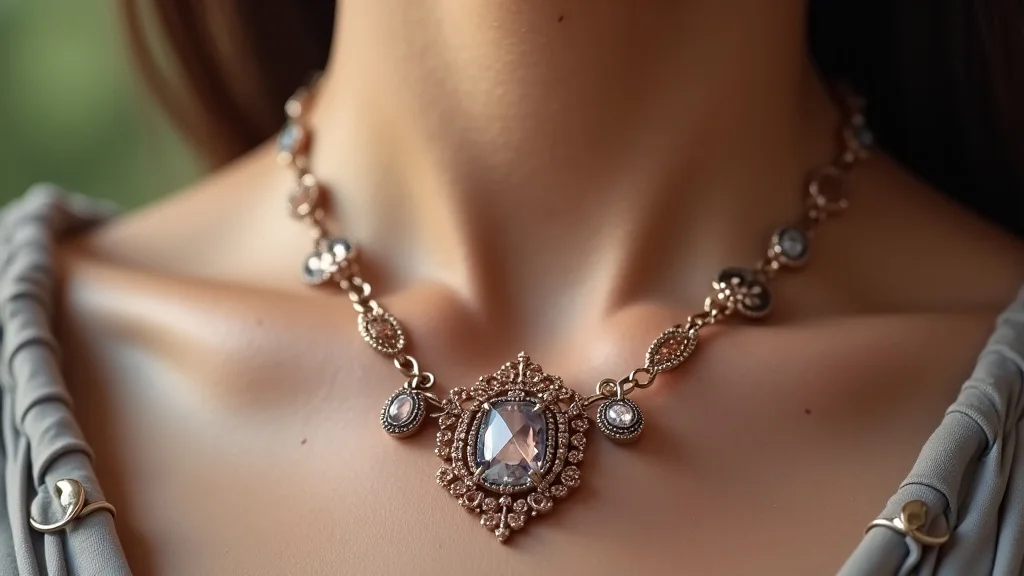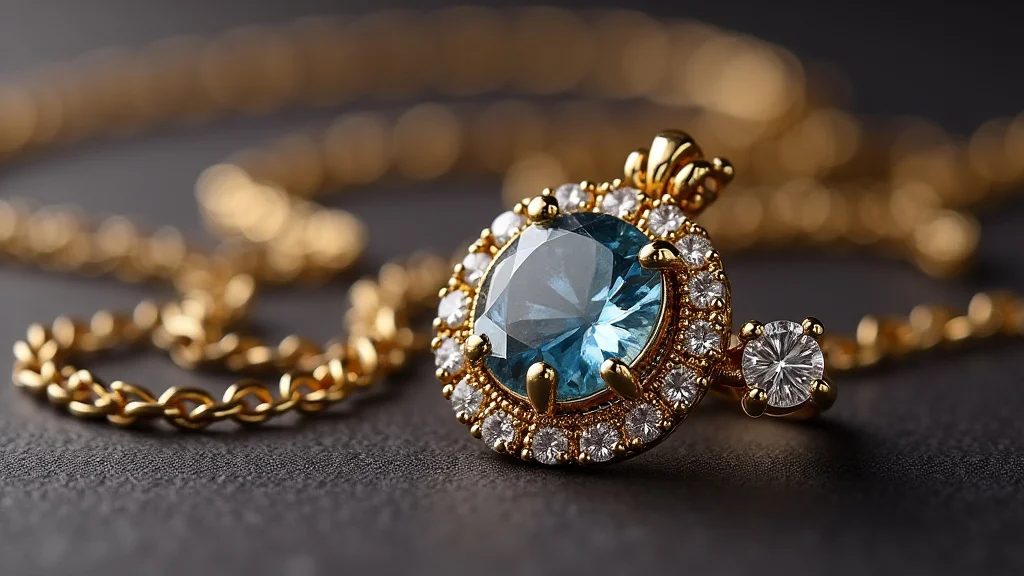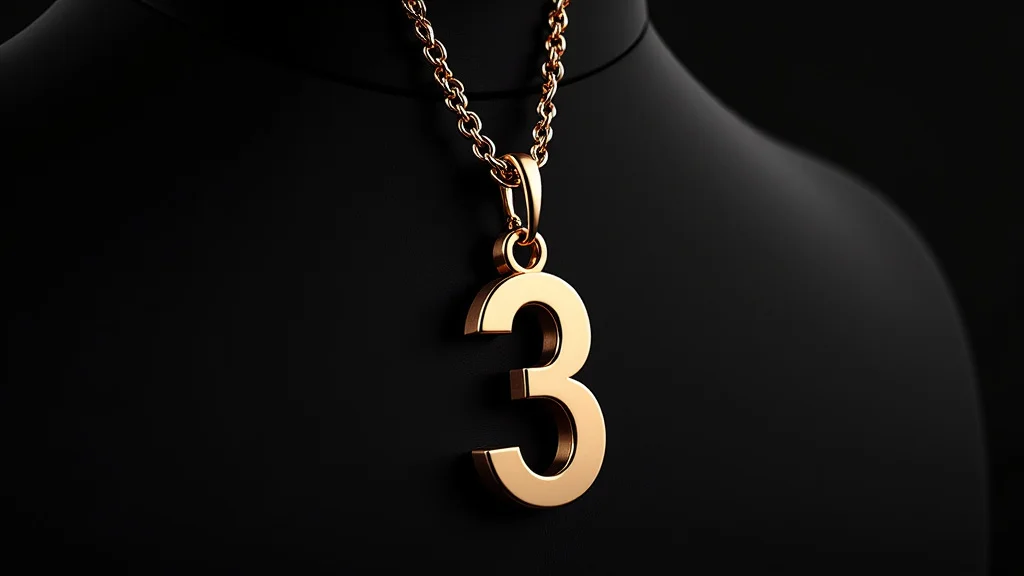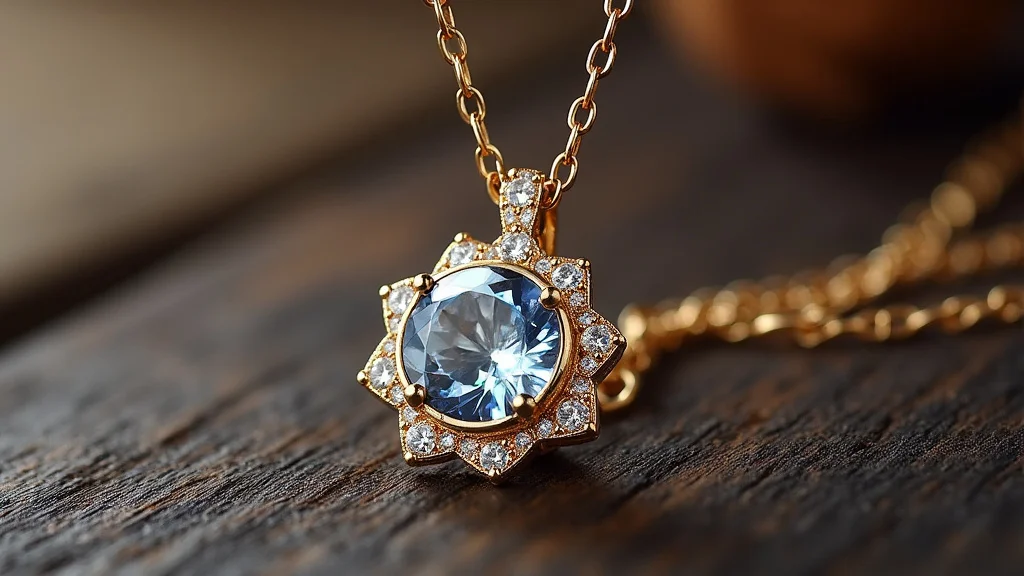
Picture this: you’re getting ready for a special occasion, rummaging through your jewelry box, and feeling a little.blah. Your favorite necklace is missing that special something. That’s where pendants for necklaces come in! They can instantly transform a simple chain into a statement piece. This guide will show you how to pick the perfect pendant to match your style, occasion, and even your personality. You’ll learn everything from different materials and designs to how to care for your new treasures. Get ready to explore the exciting options and boost your confidence through personal expression!
Key Takeaways
- Discover various materials used in pendants for necklaces and their unique characteristics.
- Learn how to choose the right pendant shape and size based on your outfit and the occasion.
- Understand the different types of necklace chains and how to pair them with your pendants.
- Explore design variations, from classic to contemporary styles.
- Find expert tips on caring for your pendants to ensure longevity.
Unveiling the World of Pendants for Necklaces
Pendants for necklaces are much more than just pretty decorations; they’re expressions of individuality and style. They can be simple, understated accents, or bold, eye-catching focal points. The versatility of pendants allows you to personalize your look, transforming a basic chain into a unique representation of yourself. This guide will explore the diverse range of materials, styles, and designs available, giving you the knowledge to confidently select the perfect pendant.
Material Matters: Exploring Pendant Options
The material of a pendant significantly influences its appearance, durability, and cost. Each material has distinct properties and advantages. Some, like gold and silver, are timeless classics with lasting value, while others, such as crystals and gemstones, add vibrant color and visual interest. Recognizing the characteristics of different materials is crucial to choosing a pendant that fits both your style and practical needs.
- Gold: A symbol of luxury and sophistication, gold pendants are available in various karats, with 14k and 18k being popular choices. Gold is known for its resistance to tarnish, making it a low-maintenance option. The color variations, from yellow to rose, allow you to find a perfect match.
- Silver: Sterling silver, composed of 92.5% silver and 7.5% other metals, is a versatile and affordable option. It offers a bright, lustrous finish that complements any outfit. However, silver is prone to tarnishing, requiring regular cleaning to maintain its shine.
- Stainless Steel: Celebrated for its remarkable strength and resistance to tarnish, stainless steel is a practical choice for everyday wear. This material is particularly suitable for individuals with sensitive skin, as it’s hypoallergenic. Its modern, sleek appearance can easily blend with both casual and formal styles.
- Gemstones: Gemstones offer a burst of color and unique textures. From diamonds to rubies to sapphires, gemstone pendants provide a personalized look. The sparkle and shimmer of gemstones can elevate any ensemble.
- Crystals: Crystals introduce an ethereal quality to jewelry, often associated with spiritual or healing properties. These come in various forms, from clear quartz to amethyst. Their ability to catch and reflect light adds a magical element to any necklace.
Gold’s durability and timeless appeal ensure it remains a popular choice. In contrast, gold-plated pendants offer a more affordable route to owning gold jewelry. The plating can wear off with time, so they require a bit more care. The price of gold fluctuates based on market conditions, and this is reflected in the price of gold pendants.
Silver’s versatility makes it a favorite for many different styles. Its affordability lets you experiment with diverse designs. The cost of silver is generally more affordable than gold, making it accessible for a wider range of budgets. Silver is also a great choice for gemstone settings, as the bright background highlights the color of the gemstones.
Stainless steel pendants are very easy to maintain. They don’t require frequent cleaning and polishing. Stainless steel is resistant to rust, corrosion, and discoloration. It is also a very affordable choice, which makes it an excellent option for those who want durable and stylish pieces without spending too much.
Gemstones can have different price points based on their type, cut, and clarity. Certain gemstones are associated with specific meanings or birthstones, making them meaningful gifts. Gemstone pendants require gentle care to preserve their brilliance and integrity. These can be fragile and require special care during cleaning.
Crystals are celebrated for their distinctive looks and the symbolic associations people link them to. Crystal pendants can vary in price depending on the type and size of the crystal. Caring for crystal pendants requires avoiding harsh chemicals and impacts. These are often used for their beauty, and can also be viewed as having metaphysical properties.
Shapes and Sizes: Finding the Right Fit for Your Pendant
The shape and size of your pendant are key elements in determining its visual impact. The right shape can complement your outfit, while the size should be proportional to your body and the occasion. Consider the neckline of your top, the overall style you want to achieve, and the impression you want to make when selecting a pendant. Different shapes convey different vibes; understanding these can help you select the ideal pendant.
- Round Pendants: Round pendants are a classic choice, radiating a sense of balance and harmony. They’re versatile and blend well with various styles. The simplicity of a round pendant makes it a great choice for everyday wear.
- Heart-Shaped Pendants: Heart-shaped pendants are a symbol of love and affection. These are perfect for romantic occasions or as a sentimental gift. Their shape adds a touch of charm and whimsy to your look.
- Geometric Pendants: For a modern and bold appearance, geometric pendants are the perfect pick. They range from triangles and squares to more complex shapes. The sharp lines and structured designs add a contemporary edge to your jewelry.
- Tear-Drop Pendants: Tear-drop pendants are elegant and sophisticated. They add a graceful flow to your look. Their elongated shape creates a lengthening effect and enhances any neckline.
- Size Considerations: The size of the pendant should complement your body and outfit. A small pendant is ideal for everyday wear, while a larger, statement pendant can elevate a simple outfit. The neckline of your top can guide your choice, as well.
The round shape adds a touch of elegance without being too overwhelming. They’re a great option for showcasing a simple design or a single gemstone. The simplicity of a round pendant makes it adaptable to nearly any outfit.
Heart-shaped pendants are best suited to pair with outfits that have a softer aesthetic. These pendants can showcase intricate designs or be simple and understated. Heart pendants are very popular choices for Valentine’s Day or anniversaries. They communicate emotion beautifully.
Geometric pendants work exceptionally well with minimalist outfits and those that emphasize clean lines. They offer a strong visual statement and show off your modern sensibility. They allow for great experimentation with form and material.
Tear-drop pendants offer a subtle touch of elegance and are perfect for formal or semi-formal events. These pendants pair well with outfits where you want to add a touch of sophistication. Their shape can create a visual line that draws the eye downward.
Smaller pendants tend to have a more understated effect. Larger pendants are ideal for special events or for creating a focal point. Always assess the overall look and the event, when deciding on the size of your pendant.
Necklace Chains and Pendant Pairings
Selecting the right necklace chain is as important as choosing the perfect pendant. The chain’s style, length, and material impact how the pendant appears and feels. Pairing the right chain with the pendant enhances its aesthetics and ensures comfort. Understanding the various chain styles helps create a harmonious and stylish combination.
- Chain Styles: Different chain styles offer unique looks. A cable chain is a classic and versatile option, while a box chain adds a touch of refinement. A snake chain gives a sleek and modern appearance, and a rope chain offers a sturdy and sophisticated style.
- Chain Lengths: The length of the chain impacts how the pendant hangs and your overall look. Chokers sit high on the neck, while princess-length chains fall just below the collarbone. Matinee-length chains reach the top of the bust, and opera-length chains extend to the bust or lower.
- Chain Materials: The chain’s material should complement the pendant. Gold chains pair beautifully with gold pendants. Silver chains complement silver or gemstone pendants. Ensure the chain material matches or complements the pendant material for a cohesive look.
- Matching Chains to Pendants: Delicate pendants look best on thin chains, while larger, more complex pendants can handle thicker chains. The goal is to balance the visual weight of the pendant with the chain. A delicate pendant might get lost on a bulky chain.
Cable chains work well with a wide variety of pendants. Box chains are a great match for more delicate pendants. Snake chains are excellent for pendants with a smooth, fluid design. Rope chains provide a strong base for heavier pendants.
Chokers are perfect for pairing with simple pendants. Princess-length chains are versatile, suiting almost any pendant. Matinee-length chains work well with more detailed pendants. Opera-length chains can handle larger, more elaborate pendants.
The materials should always work together to create a unified aesthetic. If you have a gold pendant, it looks best on a gold chain. The chain’s color and texture should enhance, not compete with, the pendant.
Match the chain weight to the pendant’s size. Thin chains are ideal for pendants with small or intricate designs. Thicker chains can carry the weight of larger pendants. Consider the occasion when choosing a chain and pendant combination.
Styles and Designs of Pendants for Necklaces
The world of pendant design is boundless, with styles ranging from traditional to contemporary. The perfect pendant reflects your personal aesthetic and the message you want to communicate. Whether you prefer classic elegance, modern minimalism, or something with a vintage touch, there is a design suited to your tastes.
- Classic Designs: Classic pendant designs focus on timeless elegance. These include simple solitaire pendants, pearl pendants, and pendants with understated gemstone settings. The designs are versatile and can be worn daily or for special events.
- Modern Minimalism: Minimalist pendants favor clean lines and simple shapes. They often feature geometric designs, thin metal bars, or tiny gemstones. These designs are perfect for those who enjoy a sleek, contemporary aesthetic.
- Vintage and Antique Styles: Vintage pendants often showcase intricate detailing, antique-style settings, and vintage-cut gemstones. They add a touch of nostalgia and uniqueness to your jewelry collection. These pieces can be conversation starters.
- Personalized and Symbolic Pendants: Personalized pendants allow you to express yourself. These can be engraved pendants, initial pendants, or those with custom charms. Symbolic pendants incorporate meaningful shapes, symbols, or gemstones.
Classic designs emphasize simplicity and lasting appeal. Solitaire pendants, with a single stone, are perfect for showcasing a beautiful gemstone. Pearl pendants exude elegance, making them suitable for formal occasions. These designs often use traditional materials like gold, silver, and diamonds.
Minimalist pendants are perfect for adding a touch of sophistication to any outfit. They work well for layering and can be combined with other necklaces. This style emphasizes simplicity and restraint, focusing on quality materials and craftsmanship.
Vintage designs often feature ornate filigree, detailed patterns, and aged metals. They offer a unique connection to past eras. Consider the era or style of the pendant, and select a chain that complements its vintage appearance.
Personalized pendants make great gifts and are a wonderful way to tell your story. Symbolic pendants use visual elements that hold special meaning. These pendants provide a personal touch to your jewelry collection. These offer the chance to connect with something personally significant.
Caring for Your Treasures: Pendant Maintenance
Proper care is vital to preserving the beauty and longevity of your pendants. The maintenance routine for your pendants includes regular cleaning, correct storage, and preventative measures against damage. Protecting your pendants helps keep their shine. By following these guidelines, you can ensure your pendants remain stunning for years to come.
- Cleaning Techniques: The proper cleaning method depends on the pendant material. Gold and silver pendants can often be cleaned with warm water, mild soap, and a soft cloth. Gemstone pendants require gentle cleaning with a soft brush and mild soap.
- Storage Tips: Store pendants separately in a jewelry box or pouch. This prevents scratches and tangling. Keep your pendants away from direct sunlight and humidity, as these can damage certain materials.
- Preventative Measures: Remove pendants before swimming, showering, or engaging in strenuous activities. Avoid contact with chemicals like perfumes, lotions, and cleaning products. Have your pendants inspected by a jeweler periodically for any necessary repairs.
- Professional Care: For more complicated cleaning or repairs, consider professional jewelry services. Professional jewelers can clean, polish, and repair pendants made from various materials. These services are especially useful for delicate pieces or those with intricate designs.
Always consult with a jeweler if you are not sure of the correct cleaning method for your pendant. Avoid harsh chemicals and abrasive cleaners. Gently wipe the pendant with a soft, clean cloth. Be very careful to avoid any potential damage.
Choose jewelry boxes with individual compartments or soft lining. Store pendants away from heat sources. Try to limit exposure to moisture and direct sunlight. Doing this will keep your pendants secure from potential damage.
Reduce wear and tear by avoiding harsh contact and abrasive materials. Regular maintenance and professional inspections are essential for preserving the condition of your pendant. Take these steps to protect your valuable jewelry. These steps will ensure the longevity of your cherished pieces.
Professional cleaning ensures a thorough, safe, and effective cleaning. Professional jewelers will have the right tools and expertise. Regular professional maintenance can catch potential issues before they become serious.
Common Myths Debunked
Myth 1: You Should Only Wear Pendants with Expensive Chains
While high-quality chains do enhance the look of a pendant, it’s not the only option. It’s much more about the aesthetic match between the pendant and the chain. A delicate pendant might look better with a fine chain, even if it’s made of a less expensive material. The most vital thing is how the pendant and chain complement each other, irrespective of price.
Myth 2: Cleaning Pendants with Any Household Cleaner Works
Many household cleaners contain harsh chemicals that can damage your pendant. For example, some cleaners can strip the shine from silver or dissolve the finish on gold-plated pieces. Always use a gentle cleaner designed for jewelry or consult a professional jeweler for the best cleaning methods.
Myth 3: All Gemstones are Equally Durable
The durability of gemstones varies. Diamonds, for example, are very hard and durable. Others, like opals or pearls, are softer and require more careful handling. Always research the properties of your gemstone and take the appropriate precautions to prevent damage.
Myth 4: Tarnish on Silver is Permanent
Silver tarnishes because of a chemical reaction with sulfur in the air. However, tarnish isn’t permanent. With appropriate cleaning, usually using a silver polishing cloth or a specialized silver cleaner, you can restore your silver pendants to their original shine.
Myth 5: You Should Never Wear Your Pendants in the Shower or Pool
While water itself isn’t necessarily damaging, exposure to chlorine, soap, and other chemicals can harm certain pendant materials and affect their brilliance over time. It’s usually a good idea to remove your pendant when swimming or showering to preserve its appearance.
Frequently Asked Questions
Question: Can I wear a pendant every day?
Answer: Yes, you can. However, choose materials known for their durability, like stainless steel or gold. Remember to clean and inspect your pendant regularly.
Question: How do I measure the right chain length?
Answer: Use a piece of string or a flexible measuring tape to determine the length you prefer. Consider the outfit and the desired position of the pendant.
Question: How can I tell if a gemstone is real?
Answer: Consider a jeweler’s opinion. They have the training and equipment to assess a gemstone’s authenticity. If you are uncertain about the value of your pendant, you can seek expert verification.
Question: How often should I clean my pendants?
Answer: It depends on how often you wear them and what environment you wear them in. Typically, cleaning a pendant every few weeks is sufficient. Clean more often if it is exposed to oils, lotions, or chemicals.
Question: Can I mix metals for my necklace?
Answer: Absolutely! Mixing metals can create a stylish and distinctive look. You can combine gold, silver, and other materials to reflect your style. The key is to balance the pieces and coordinate the look.
Final Thoughts
Choosing the perfect pendant for your necklace is a chance to showcase your individuality. From selecting the right materials and shapes to caring for your jewelry, the process can be both satisfying and empowering. Each pendant carries meaning, letting you express your unique style. By considering your style, the occasion, and the care requirements, you can build a collection that reflects your identity. With the right selection, your pendants for necklaces can be a source of confidence and joy. Now go explore different options and enjoy the fun of discovering your own unique style!