Remember that beach trip last summer? You found a beautiful seashell and wished you could wear it every day. Well, you can! This guide explores the fascinating world of shell pendants and necklaces, offering everything from classic designs to modern takes. We’ll explore the history, types, and styles, helping you pick the perfect piece. You’ll gain valuable knowledge about these beautiful accessories and discover how to incorporate them into your own personal style, improving your knowledge and assisting your online presence.
Key Takeaways
- Learn about the different types of shells used in shell pendants and necklaces.
- Understand the history and cultural significance of these accessories.
- Discover various styles and designs, from simple to elaborate.
- Gain insights on choosing the right necklace to complement your look.
- Find out how to care for your shell jewelry to ensure it lasts.
- Explore the ethical and sustainable sourcing of shell jewelry.
The Allure of Shells: A History and Overview
Shells have captivated humans for millennia. Found along coastlines worldwide, they’ve been used for everything from tools to currency. Their beauty, inherent durability, and association with the ocean have made them treasured objects. Early civilizations across the globe incorporated shells into ornamentation, reflecting their value and significance. The earliest forms of shell adornment date back tens of thousands of years, with examples found in archaeological sites globally. This early use highlights the deep-rooted connection between humans and the sea.
The materials utilized to craft shell pendants and necklaces are as varied as the ocean itself. Each shell type brings its own unique characteristics in terms of color, texture, and shape. From the iridescent shimmer of mother-of-pearl to the robust structure of conch shells, each material offers a distinct appeal. The techniques employed to transform these raw materials into wearable art are equally diverse. This journey through history will highlight how shells have transitioned from a raw natural element to cherished jewelry pieces.
Shells in Ancient Cultures
In many ancient cultures, shells held profound symbolic meaning. For example, in some cultures, shells symbolized fertility and the cycle of life due to their association with the ocean and its bounty. Archaeological finds reveal that shells were frequently used in rituals, offerings, and as markers of social status. Shell jewelry was often reserved for the elite or used in religious ceremonies, highlighting their value and significance. This early association solidified the connection between shell jewelry and themes of spirituality, status, and the natural world.
- Ancient Egypt: Shells, particularly cowrie shells, were often associated with fertility and were sometimes used as currency.
- Ancient Greece: Shells were incorporated into jewelry and art, often representing the sea god Poseidon.
- Indigenous Cultures: Many indigenous communities worldwide used shells for trade, adornment, and ceremonial purposes. Shells were carved, polished, and incorporated into necklaces, bracelets, and other forms of jewelry.
Modern Shell Jewelry Trends
The popularity of shell pendants and necklaces has seen a resurgence. They are seen in various forms from delicate, minimalist designs to more elaborate, handcrafted pieces. Fashion trends have driven the demand for shell jewelry. You will observe them being adapted to suit a wide range of styles, from bohemian chic to elegant, modern aesthetics. Shell jewelry is now a staple accessory. It connects wearers with the natural world and serves as a means of self-expression.
Celebrities and influencers embracing shell jewelry have also fueled its popularity. This helps boost brand awareness. This has led to an explosion in design and manufacturing. Designers explore a wide range of creative options, pairing shells with various materials. This includes precious metals, beads, and leather cords. The demand has also encouraged businesses to prioritize ethical and sustainable sourcing practices. This emphasis ensures the responsible use of marine resources.
Types of Shells and Their Unique Properties
Different shell types bring distinct characteristics, influencing the look and feel of shell pendants and necklaces. Understanding these variations helps select the perfect piece to match individual style. Each type has its origin story, from the depths of the ocean to the shallow shores. Knowing these differences ensures your piece fits your personal preferences and will ensure you make an informed decision when buying.
Popular Shell Varieties
The variety of shells is very impressive. They provide options for every taste and aesthetic. Each brings unique beauty, texture, and durability to the table. Some of the most frequently used include the delicate Paua shell, the classic Cowrie shell, and the sturdy Conch shell. These diverse options showcase the beauty of ocean-derived materials.
- Mother-of-Pearl: Known for its iridescent sheen, mother-of-pearl comes from the inner layer of certain shells, like oysters and abalone. It creates a luminous, eye-catching effect, and is commonly used for pendants and inlays.
- Cowrie Shells: These small, oval-shaped shells have been used for centuries as currency and adornment. They often have a smooth, glossy surface and a slit-like opening. They are often seen in minimalist designs, as well as bohemian styles.
- Paua Shell: Also known as abalone shell, the Paua shell is found in New Zealand. It is known for its vibrant colors and shimmering, rainbow-like appearance. It’s often cut and polished into stunning pendants.
- Conch Shells: These larger shells are robust and often have a natural, spiral shape. They can be carved, polished, or used in their original form. They offer a more substantial, statement look, and are popular in coastal and beach-inspired designs.
Durability and Care Considerations
The durability of shell jewelry can vary depending on the shell type and how it is crafted. Some shells, like conch, are naturally sturdy. Others, like mother-of-pearl, are more delicate and prone to damage. It is critical to take appropriate care to protect your jewelry and guarantee it stays lovely. This will extend its lifespan. For instance, cleaning shell jewelry with harsh chemicals is usually not advisable. Instead, use a soft cloth and gentle soap to clean any dirt or debris.
Avoid exposing shell jewelry to excessive moisture, direct sunlight, or extreme temperatures. These things can cause damage, like fading or cracking. Store your jewelry properly when not in use. You should keep it in a soft pouch or a jewelry box. Shells are sensitive to impacts. Try to protect them from scratches or chips. This level of diligence ensures your shell jewelry retains its beauty for years to come.
Styling Shell Pendants and Necklaces: A Guide
The possibilities for styling shell pendants and necklaces are wide-ranging, and the right combination will depend on your personal preferences and the overall look you are seeking. Whether you prefer a minimalist style, a more bohemian look, or something more elegant, there’s a shell pendant or necklace to match your style. You can use your shell jewelry as the focal point of an outfit or as an understated accent. You can create eye-catching, unique looks.
Matching Shell Jewelry to Outfits
The key to successful styling is matching the necklace to your wardrobe. For more casual ensembles, shell jewelry complements beachy, relaxed outfits, such as sundresses, t-shirts, and jeans. Opt for smaller, more delicate pendants or necklaces. They work well with simple styles. For dressier looks, select shell jewelry with more sophisticated designs. You can consider incorporating pearls, precious metals, or detailed carvings. This enhances the overall appearance of the outfit.
- Casual Wear: Pair a cowrie shell pendant with a simple white tee and denim shorts for a relaxed, summery look.
- Bohemian Style: Layer a variety of shell necklaces in different sizes and textures with a flowing maxi dress and layered bracelets.
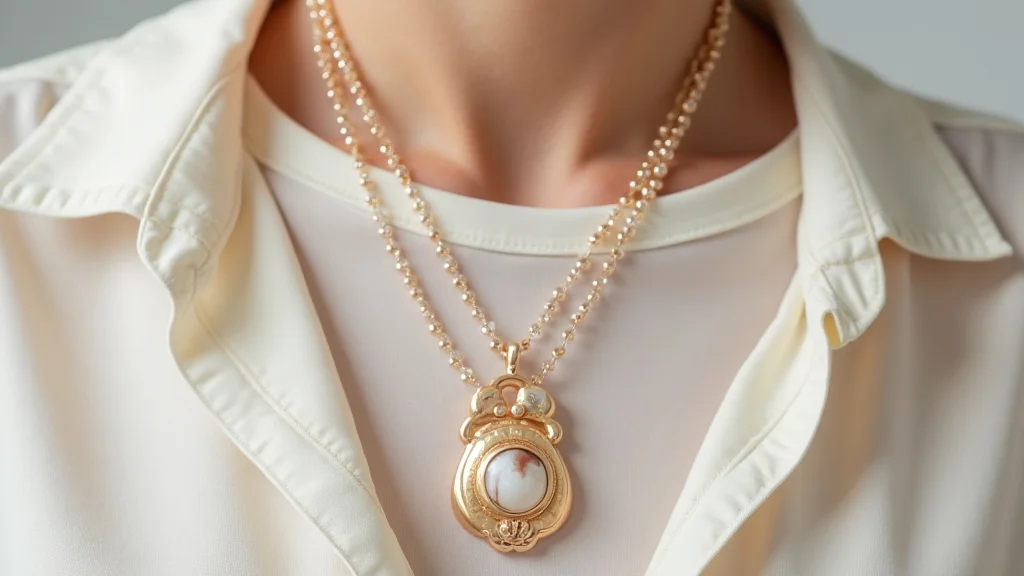
- Elegant Attire: Choose a mother-of-pearl pendant with a delicate chain to complement a formal dress or a stylish blouse.
Layering and Combining Necklaces
Experimenting with layering can enhance the visual interest of your look. Combining shell necklaces with other necklaces can make your look unique. Different lengths, textures, and designs make it more dimensional. When layering, start with a longer necklace, such as a shell pendant necklace. Then add shorter chains or other delicate necklaces. This will create a harmonious appearance. Ensure the necklaces don’t tangle and the combination complements your overall look. Keep an eye on proportion and balance. This will ensure your look is stylish and not overwhelming.
- Vary the Lengths: Start with a long, pendant shell necklace and add shorter chains or chokers.
- Mix Textures: Combine a shell necklace with a chain necklace to add texture.
- Consider Color Coordination: Coordinate the colors of your necklaces with your outfit or other accessories.
Ethical and Sustainable Considerations
It is becoming more critical to consider the sourcing of jewelry to ensure responsible consumption. The jewelry industry, including shell jewelry, faces scrutiny regarding its environmental and ethical practices. When purchasing shell pendants and necklaces, it is key to be aware of how they are sourced. This awareness can help you make informed decisions, supporting practices that safeguard the environment and the communities that provide these resources.
Understanding Sustainable Sourcing
Sustainable sourcing centers on methods that minimize environmental impact. This also includes the fair treatment of workers. Sustainable shell harvesting prioritizes ecological health, minimizing damage to marine ecosystems. This can involve using methods that don’t harm coral reefs or over-harvesting populations. Look for jewelry brands that are transparent regarding their supply chains, disclosing where they source their shells and the ethical standards they adhere to.
- Look for Certifications: Some organizations offer certifications to indicate that the shells have been sourced sustainably.
- Support Local Communities: Many local artisans and communities are engaged in shell harvesting. Supporting these communities helps provide a source of income.
- Consider Recycled Shells: Some brands use recycled shells or shells collected from beaches. This helps reduce waste.
The Impact of Shell Harvesting
Shell harvesting practices can impact marine ecosystems. Over-harvesting leads to depletion of shell populations. Destructive methods of harvesting can damage the delicate balance of habitats. Shells play a vital role in marine ecosystems, providing shelter. They also serve as a food source for other species. Sustainably managed harvesting helps protect these ecosystems. It also maintains biodiversity by maintaining balance. Responsible sourcing is crucial in the pursuit of environmentally conscious practices.
Consumers play a significant part in pushing for change in the industry. By supporting businesses that prioritize sustainability, you help establish higher standards. This promotes transparency and ethical practices. Making conscious choices will drive positive change. It is also an investment in the long-term health of our oceans. It is about embracing the beauty of shell jewelry responsibly. This supports the well-being of marine ecosystems and the communities that rely on them.
Caring for Your Shell Jewelry: Tips for Longevity
Proper care is essential to extend the life and beauty of your shell pendants and necklaces. Shells are delicate natural materials, and certain practices will help you protect them from damage and maintain their beauty. Following these simple steps will ensure your shell jewelry stays lovely for years to come. This makes it possible for you to get the most from your investment.
Cleaning and Maintenance
Regular cleaning is an essential aspect of shell jewelry care. Gently clean your shell pendants and necklaces. This will remove any dirt, oils, or residue that accumulate. Use a soft, lint-free cloth or a jewelry cleaning cloth. Use mild soap. Avoid abrasive cleaners or harsh chemicals. It can damage the delicate surface of the shell. Always dry the jewelry thoroughly after cleaning to avoid water stains. Store shell jewelry in a soft pouch or a jewelry box to keep it safe when not in use.
The environment can impact shell jewelry. Keep your jewelry away from direct sunlight, extreme heat, and humidity, as this can cause discoloration or damage. Avoid exposing your jewelry to perfumes, lotions, and other chemicals. They can corrode the shell. You should occasionally have your jewelry checked by a professional jeweler. This will ensure that the settings and clasps remain secure.
Storage and Protection
Storage is essential in protecting your shell jewelry when not in use. You can prevent scratches and other damage by storing your shell necklaces in a jewelry box or a soft pouch. Make sure that each piece is kept separately to avoid rubbing against other jewelry. Keep your jewelry in a place away from excessive humidity or sunlight. Avoid exposing it to extreme temperature changes. This protects the shell from any potential damage.
Consider the environment you will be in when you wear your shell jewelry. Keep it away from situations where it could come into contact with water. Water can weaken certain shells. Avoid activities like swimming or showering while wearing shell jewelry. Regular care and maintenance, together with proper storage, will preserve your shell jewelry. It maintains its beauty for years, allowing you to enjoy your favorite pieces.
Common Myths Debunked
Myth 1: All Shells are the Same
In reality, shells vary greatly. They come in different types, colors, and durability. Some are sturdy, while others are fragile, and each needs different care. The type of shell impacts the final appearance of shell pendants and necklaces, so it is helpful to recognize the differences.
Myth 2: Shell Jewelry is Always Expensive
The cost varies based on shell type, design complexity, and materials used. While some pieces with precious metals and intricate designs can be costly, there are many affordable options available. This makes shell jewelry accessible to many people, especially pieces that use common shells or are made using cost-effective techniques.
Myth 3: Shells Cannot Be Cleaned
Shells can be cleaned carefully. Gently use a soft cloth and mild soap to remove dirt and oils. The key is to avoid harsh chemicals or abrasive materials, which can damage the shell’s surface. Proper cleaning helps preserve the shell jewelry’s beauty and longevity. It is best to avoid using strong cleaning products or abrasive materials when cleaning the shell jewelry.
Myth 4: Shell Jewelry is Only for the Beach
Shell jewelry can be styled for any occasion. It goes well with casual attire. Shells can also be incorporated into a more elegant look, with certain designs using precious metals. Shells can be worn in any setting, based on their design, to express individuality.
Myth 5: Shell Jewelry Damages the Environment
The potential for environmental harm from shell harvesting exists. However, sustainable sourcing practices are growing in popularity, where shell collection does not harm the environment or local communities. Choosing shell jewelry from ethical sources makes sure that you support responsible and sustainable practices.
Frequently Asked Questions
Question: How do I identify real shell jewelry?
Answer: Look for natural variations in color and texture. Real shells also may have minor imperfections. In many cases, you can identify authenticity through the item’s weight and appearance. Examine the details carefully, as well.
Question: Can I wear shell jewelry while swimming?
Answer: It’s best to remove shell jewelry before swimming. Prolonged exposure to water can damage the shells and wear down any coatings or finishes. This will prevent potential damage and keeps the necklace in good shape.
Question: How can I tell if a shell pendant is high quality?
Answer: High-quality shell pendants will be crafted well. The shell itself will have good color, and the finish will be well done. You should examine the setting and chain for their quality. Look at the craftsmanship in detail.
Question: Are shell necklaces appropriate for formal events?
Answer: Yes, shell necklaces can be worn at formal events. Select necklaces made with more refined materials. Look for those with precious metals. Choose more elegant designs to complement your attire. This will enhance the overall appearance of your look.
Question: How do I prevent shell pendants from tarnishing?
Answer: Shells do not tarnish; however, certain metals used in jewelry can. Store your jewelry in a tarnish-resistant bag or a jewelry box. This will help prevent tarnishing, keeping your jewelry looking its best for years.
Final Thoughts
Shell pendants and necklaces are more than mere accessories; they are tangible links to the ocean’s mystique, offering a timeless blend of beauty and personal expression. From the delicate iridescence of mother-of-pearl to the rustic charm of cowrie shells, there’s a shell piece for every style and personality. Selecting the perfect shell necklace means exploring the vast array of available shell types, styles, and designs. You’ll also learn the key to styling your pieces to complement your look. To ensure these treasures endure, practice thoughtful care and proper storage. You can support the ethical practices that safeguard our oceans. This ensures your shell jewelry remains a cherished part of your collection.