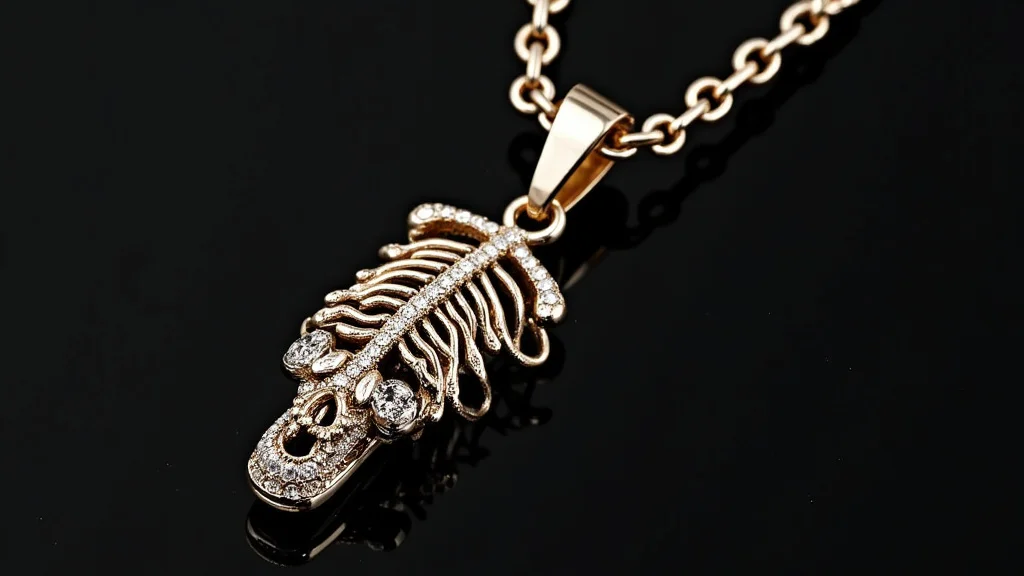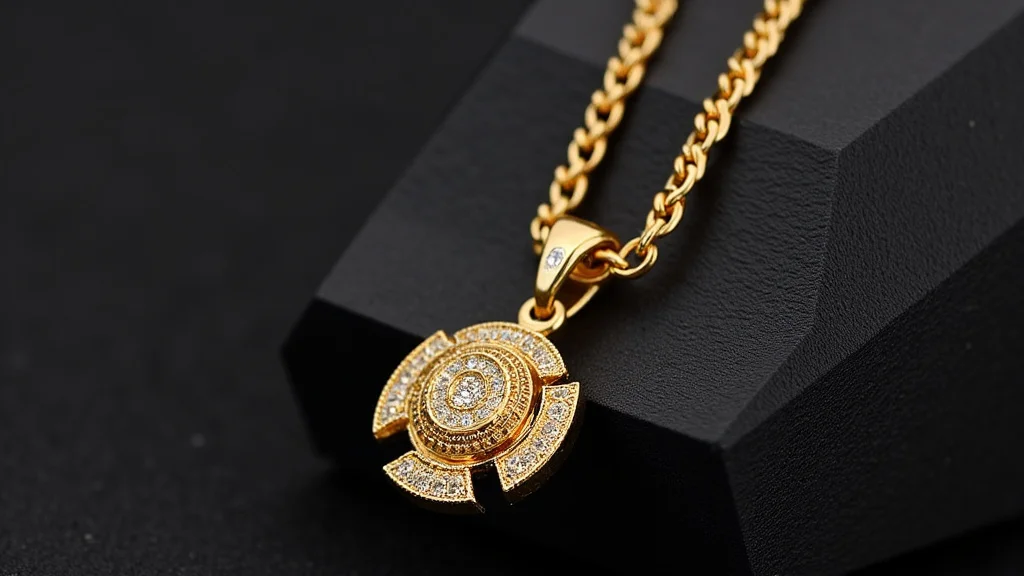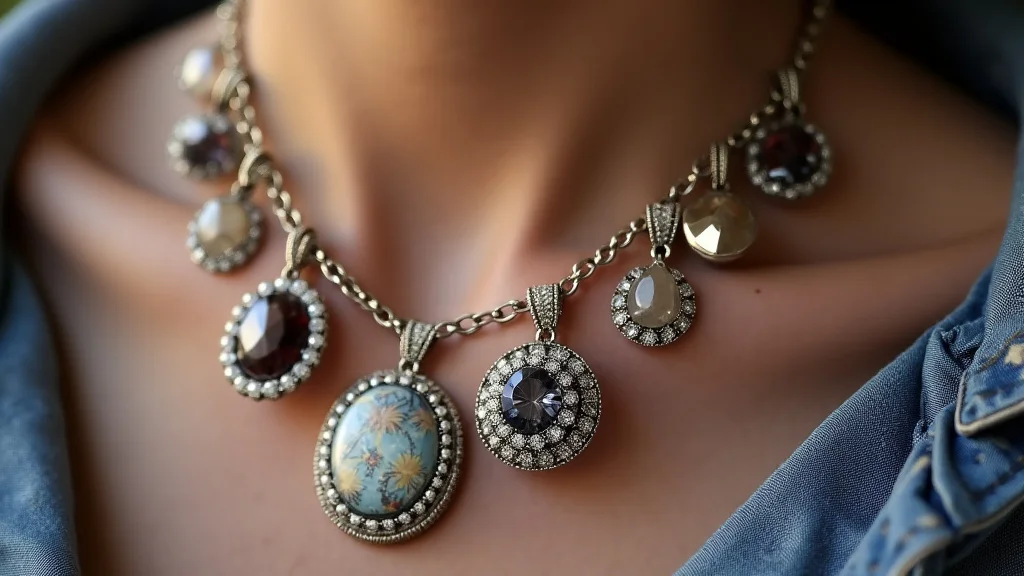
Remember that time you spent hours scrolling through jewelry websites, searching for something unique? You wanted a necklace that stood out, a piece that sparked conversation, but everything felt…ordinary. Finding the perfect piece to showcase your individuality can feel like a quest. This post explores the exciting world of unusual pendants for necklaces, offering fresh ideas and inspiration. You’ll explore a variety of materials, designs, and styles to express your personality through your jewelry. Get ready to discover how to find those standout pieces and how to wear them, ensuring your style is uniquely yours.
Key Takeaways
- Discover the diverse range of materials used in crafting unusual pendants for necklaces.
- Explore unique design elements and styles that make pendants stand out.
- Learn how to choose pendants that reflect your personal style and interests.
- Understand the best ways to incorporate these pendants into your everyday outfits.
- Get tips on caring for and maintaining your unique jewelry pieces.
- Find resources for sourcing and purchasing unusual pendants.
Materials That Make Unusual Pendants Shine
The first thing that draws attention to a pendant is the material from which it’s made. Instead of the usual suspects, many artists are using unexpected substances to create truly unique pieces. From natural elements to repurposed items, the options are endless. Understanding these materials helps you appreciate the craftsmanship and the unique characteristics of each pendant. Choosing the right material can transform a simple necklace into a statement piece. Explore materials that provide visual appeal, or a story about how they were sourced.
Unconventional Metals and Alloys
While gold and silver remain popular choices, other metals provide unique aesthetics. Exploring these alternatives opens a world of possibility for the wearer seeking individuality. The texture, color, and even the weight of a metal can greatly affect how it complements clothing and reflects the wearer’s personality. These metals have different properties, making them suitable for different designs and offering different price points. Understanding the variations is key to finding the right pendant that matches your style.
-
Titanium: Known for its strength and lightweight properties, titanium offers a sleek, modern look. It’s also hypoallergenic, making it ideal for those with sensitive skin. Titanium can be anodized to create a range of colors, which can be applied to many designs and allow for very intricate detail. Many artists now use titanium for unusual pendants for necklaces.
Titanium’s natural color is a silvery-gray, but through a process called anodization, it can be colored. This technique uses electricity to create a thin oxide layer on the surface, which causes light to refract, producing various colors depending on the voltage applied. This allows artists to create vibrant and durable pieces without the use of dyes or paints, so the color won’t fade or chip. The color is integral to the metal, and can’t be scratched away. The unique look and properties of titanium make it a favorite choice.
-
Tungsten Carbide: Extremely durable and scratch-resistant, tungsten carbide has a striking dark gray color. Its weight gives it a luxurious feel, and its ability to withstand wear and tear makes it a long-lasting choice for daily wear.
Tungsten carbide is created by combining tungsten metal with carbon atoms. The resulting compound is incredibly hard, nearly as hard as diamond. This makes tungsten carbide pendants highly scratch-resistant, meaning they retain their finish for a long time. The metallic look of tungsten is also very appealing, and provides a sleek contrast. Because of its hardness, tungsten carbide is used in designs that call for a highly polished surface. The weight also makes it feel expensive.
-
Stainless Steel: A versatile material that is both durable and affordable, stainless steel comes in a variety of finishes, from polished to matte. It’s also resistant to corrosion, making it perfect for pendants designed to be worn frequently.
Stainless steel is an alloy of iron and chromium, and often includes other elements like nickel, molybdenum, and manganese. The chromium content is key, as it forms a passive layer on the surface that protects the steel from rust. This makes it a great choice for jewelry because it can withstand water, sweat, and exposure to air. This metal is often very affordable. It is a good choice for people with metal allergies.
Nature-Inspired Components
Incorporating natural elements can bring a sense of organic beauty and earthiness to any necklace. These components capture the essence of the natural world, allowing the wearer to connect with nature’s beauty and symbolism. These pendants are often unique, reflecting the specific shape or pattern of the natural item used. The stories and characteristics of each element add depth and interest, transforming each piece into a conversation starter. From ocean elements to land-based designs, these components create a sense of connection with the natural world.
-
Fossilized Materials: Including items such as petrified wood, fossilized bone, or even tiny ammonites. Each piece offers a link to the prehistoric world, making it a unique statement.
Fossilized materials offer a glimpse into the past. Petrified wood, for instance, is formed when organic matter is replaced by minerals, preserving the wood’s structure while turning it into stone. Fossilized bone and ammonites offer similar stories of ancient creatures and habitats. These materials often feature intricate details, patterns, and colors that reflect the geological processes they underwent over millions of years. Each piece is unique and tells a story.
-
Seeds, Pods, and Nuts: Natural materials, like seeds, pods, and nuts, can be transformed into beautiful and organic pendants, offering a unique texture and form. These pendants can showcase the beauty of nature’s simplicity and intricate details.
These organic elements often come in a variety of colors, shapes, and sizes. They can be preserved using techniques like resin casting, or left in their natural state. Each piece has a unique texture and form. The varying sizes and designs allow for a wide range of creative expression, from simple minimalist designs to ornate and detailed creations. Their organic origins bring a tactile and earthy feel to the jewelry.
-
Shells and Sea Glass: Shells and sea glass offer the beauty of the ocean. Sea glass, in particular, is an example of sustainable design, upcycling discarded glass that has been tumbled by the sea.
Shells come in diverse shapes, colors, and textures. Artists often incorporate shells into their designs, highlighting their natural beauty. Sea glass is created when broken pieces of glass are tossed by the ocean, resulting in smooth, frosted pieces. The sea glass is often collected, then carefully shaped and incorporated into pendants. Each piece is truly unique, reflecting the specific journey it took in the water. The combination of shells and sea glass in jewelry creates a beautiful, ocean-inspired aesthetic.
Upcycled and Reclaimed Elements
Repurposing materials into jewelry is not only a stylish choice, it’s also an environmentally friendly one. Using these types of components transforms discarded objects into wearable art. This helps promote sustainability and individuality. The use of upcycled materials shows creativity and commitment to eco-conscious practices. From old coins to recycled glass, the potential for repurposing is boundless, turning any pendant into a testament to conscious living.
-
Vintage Coins: Turning coins into pendants is a long-standing tradition. Coins from different eras and countries offer unique designs and often hold historical significance.
The designs on coins range widely. They often include portraits, emblems, and historical symbols that speak to the values of the culture that created them. The coin’s metal and patina can also add character. These pendants create a strong visual impact. They are often conversation starters, because of the history they represent.
-
Recycled Glass: Glass can be melted down and reformed into unique shapes. Often, the pieces feature vibrant colors and textures that come from the original glass items.
The beauty of recycled glass lies in its ability to be transformed. The glass is melted and then reshaped into pendants that may contain swirls, bubbles, and other imperfections, adding to their unique charm. These can be molded into various shapes, or cut and polished. Recycled glass pendants come in various colors, from clear to vibrant hues, making them versatile accessories.
-
Salvaged Metal: Metal scraps, industrial components, and hardware items can be reinvented into bold and intriguing pendants. This approach embraces a raw, industrial aesthetic.
This approach highlights the beauty of repurposed materials. Old tools, metal remnants, and industrial hardware provide unique shapes, textures, and patinas. These materials are often manipulated, welded, or repurposed, giving them a new life as wearable art. The resulting pendants have a strong, industrial look, often favored for their bold and edgy appearance. These pendants speak of resilience and reuse.
Unique Design Elements for Necklaces
The design of a pendant is a core element of its character. Several design aspects can transform a simple piece into something extraordinary. The combination of shape, texture, and other design elements can create a unique, meaningful piece of jewelry. Innovative designers use various techniques and styles to create pieces that tell a story, evoke emotions, and express individual style. These design elements encourage creative expression and individuality.
Uncommon Shapes and Forms
Shapes that defy conventional jewelry designs offer a refreshing change. They move beyond basic geometric forms and provide an immediate visual impact, encouraging viewers to appreciate the design’s uniqueness. Many artists use forms that can be inspired by natural elements, abstract concepts, or cultural symbols. The variety in shapes provides a wide range of options to match individual preferences and styles.
-
Asymmetrical Designs: Pendants that break away from symmetry often have a dynamic and modern appearance. Asymmetrical pendants challenge the traditional balance of design.
Asymmetrical designs introduce visual interest through imbalance. They draw the eye and create a more dynamic aesthetic. This approach gives pendants a contemporary, artistic flair. They’re often seen in modern jewelry, adding to the individuality of the piece. They create conversation and encourage visual exploration.
-
Abstract Shapes: Utilizing free-form shapes or those inspired by art, allows for greater artistic expression. These pieces move beyond representational forms.
Abstract shapes allow the wearer to interpret the design. This creates a deeply personal connection to the jewelry. Artists experiment with curves, angles, and fluid forms, creating unique and compelling designs. These shapes often serve as miniature works of art, adding a touch of sophistication and creativity.
-
Sculptural Pieces: Three-dimensional designs add depth and dimension to a necklace. These pendants often feel like small sculptures.
Sculptural pendants offer a more tactile experience. They have greater depth, making them stand out. Designers often use casting, welding, or other techniques to create these complex forms. They become miniature works of art. The three-dimensional approach adds depth and movement, making them a standout design choice.
Innovative Textures and Finishes
The texture and finish of a pendant can dramatically affect its look and feel, and how light interacts with the piece. Innovative textures and finishes create visual and tactile interest. Different techniques can give the metal a unique surface, affecting its overall appeal. Techniques like etching, hammering, or adding patinas create a unique visual style. Texture can turn a simple piece into something unique and tactile. These textures and finishes often make the piece even more personal.
-
Hammered Finishes: The hammering process adds a handcrafted feel, creating a reflective, irregular surface. It catches the light in a way that smooth surfaces can’t.
Hammering involves using a hammer to create subtle depressions on the metal. This creates a surface that is both visually interesting and tactile. The hammered surface reflects light in a different way than a smooth surface, creating subtle variations in shine. This handmade feel can give the piece a rustic and organic appeal.
-
Etched Designs: Etching creates detailed patterns on the surface, adding intricate designs and depth. These designs can represent anything from abstract art to detailed images.
Etching involves using chemicals or lasers to remove portions of the surface material, leaving a detailed design. Etching allows for great precision. This creates beautiful and complex designs that are not achievable with other methods. The etched surface interacts with light, highlighting the design’s depth and intricacy. It’s often used to incorporate intricate patterns, images, or personalized messages.
-
Patina Treatments: Applying patinas adds a layer of color and a vintage appearance. Patinas enhance the metal’s color and texture.
Patina refers to the chemical process that changes the surface of metals. This can be achieved through various treatments that create a unique and often aged appearance. Patinas can add color to the metal. This adds dimension and creates a weathered appearance. This treatment adds character. Patinas are often used on metals like copper, brass, and bronze, giving the pieces a unique look.
Artistic and Thematic Elements
Incorporating artistic and thematic elements into pendant designs is a way to express ideas, passions, and cultural significance. This approach allows jewelry to tell a story or to represent something more than mere adornment. Thematic pieces can represent passions, cultural elements, or even philosophical concepts. These thematic elements allow for self-expression and encourage unique style.
-
Symbolic Imagery: Many pendants utilize symbols to communicate specific meanings. Symbols can represent everything from protection to love.
The use of symbolic imagery in jewelry has a long history, with different symbols having different meanings across cultures. Hearts, stars, and animals are often chosen to reflect an individual’s personality or values. This can be a way of communicating a secret message, or to represent an affiliation or a belief system. These pendants create a deeper connection.
-
Artistic Inspirations: Some pendants are influenced by art movements, famous artists, or specific art pieces. Jewelry is a medium for artistic expression.
Artistic inspirations can include abstract art, surrealism, or other artistic styles. These pendants often have intricate designs, bold colors, or unexpected forms. This type of jewelry serves as a wearable art piece. These pieces can be conversation starters and are a way of expressing appreciation for creativity.
-
Cultural Motifs: Pendants with cultural motifs celebrate traditions, heritage, and identity. These designs can be rooted in historical or geographical traditions.
Cultural motifs can include patterns, symbols, and designs that are representative of a specific culture. This includes Native American patterns, Celtic knots, or designs from different parts of the world. These pendants are a way of honoring and celebrating heritage. This allows the wearer to connect with their ancestry. They are also a way of showing respect for cultures around the world.
Choosing Pendants That Reflect Your Personality
Choosing a pendant that fits your personality is a key element of self-expression. A well-chosen pendant can reveal aspects of your identity, values, and interests. Whether you are seeking a piece that tells a story, sparks curiosity, or simply complements your wardrobe, selecting a pendant that mirrors your inner self is rewarding. The selection process can be a chance for self-discovery.
Matching Pendant Styles to Personal Tastes
Different styles suit different personalities. Whether your style is minimalist, bohemian, or something else entirely, there’s a pendant to match. Your personal style preferences should be a guiding principle in selecting a pendant. This will ensure your jewelry truly enhances your wardrobe. Considering your usual outfits and preferences will streamline the selection process, leading you to a piece that feels authentic.
-
Minimalist: Clean lines, simple shapes, and understated elegance. Minimalist pendants focus on simplicity.
If you prefer a minimalist style, look for pendants with clean lines and geometric shapes. These pendants are often made of simple materials. The focus is on the essential design. A minimalist pendant should have a simple design, conveying elegance and sophistication without being too ornate or distracting.
-
Bohemian: Eclectic mix of materials, textures, and patterns. Bohemian pendants embrace a sense of freedom.
Bohemian styles often feature natural elements, textures, and cultural influences. Look for pendants made with unusual materials. Beads, feathers, or vintage components also work. Embrace the uniqueness of each piece, and don’t be afraid to mix and match different textures and colors. This style is about self-expression and freedom.
-
Edgy: Bold, often with dark or industrial themes. Edgy pendants make a strong statement.
Edgy pendants often have dark colors, geometric shapes, and industrial details. Look for pieces made from unexpected materials. You can also look for pendants with unique shapes or unconventional designs. These pendants should reflect a rebellious attitude.
Considering Your Lifestyle and Wardrobe
Think about how your choice fits your daily life and the clothes you wear. Consider the practicality of the pendant, how it feels, and if it complements your outfits. The pendant should not only look nice, but it should be comfortable enough to wear regularly. These aspects ensure that the piece complements your appearance and lifestyle. Considering these elements guarantees that your pendant will become a part of your daily routine.
-
Daily Wear: If you need a pendant for daily use, consider durable materials. Consider a comfortable size and a secure fastening.
Choose pendants that can withstand daily wear and tear. Select a sturdy chain and closure. Consider hypoallergenic materials if you have sensitive skin. A well-chosen daily pendant should be comfortable and fit with most of your outfits. Choose a versatile design that works with different outfits.
-
Special Occasions: A special occasion is a chance to pick something bolder. Don’t be afraid to select a pendant that stands out.
When selecting a pendant for a special occasion, consider the overall look. Select a pendant that complements your outfit. These pendants can be more elaborate, with intricate designs. Choose a pendant that brings your whole look together.
-
Workplace Compatibility: Check if your pendant fits the dress code. It should be professional, but still express your personal style.
Consider the workplace dress code when selecting a pendant. Choose a style that is professional but still reflects your personality. Choose a pendant that is simple and elegant. Avoid very flashy designs.
Making Jewelry Choices That Tell a Story
A pendant is more than just an accessory; it can be a way to communicate your passions and tell your story. Select jewelry that reflects your values, hobbies, and the causes you care about. When you select a piece that tells a story, the jewelry becomes a reminder of your journey. These details transform your pendant into something more meaningful.
-
Hobbies and Interests: Select pendants that relate to your favorite activities. This is a chance to show your passions.
If you love nature, consider a pendant with leaf or animal motifs. If you are a traveler, select a pendant with a globe or a compass. The pendant should reflect what you love. It allows you to express your interests. It can be a way of sharing your passions with others.
-
Values and Beliefs: Many pendants incorporate symbols and designs that reflect personal values or beliefs. These pendants can serve as a constant reminder of what is important to you.
Many people wear pendants that contain meaningful symbols. These pendants can be a way of communicating your values. They can also connect you with like-minded people. The symbols can be a daily reminder of your principles. Wearing a pendant with meaning can be deeply fulfilling.
-
Personal Milestones: Marking milestones with unique pendants is a way to celebrate your achievements. These pendants become tangible reminders.
Celebrate personal milestones by selecting a unique pendant. This could be anything from a graduation to a new job or travel. Pendants serve as a beautiful reminder. They become a treasured keepsake. This helps commemorate significant moments in your life. This turns jewelry into a lasting symbol.
Incorporating Unusual Pendants Into Your Outfits
The right pendant can transform a simple outfit into something extraordinary, but it’s important to know how to incorporate these pieces. Styling your pendant with different clothing styles and layering with other accessories requires some skill. Understanding how to create a cohesive look will ensure that your pendant enhances your entire appearance. From simple tips to layering techniques, mastering the art of accessorizing with unusual pendants will help you make a lasting impression.
Styling Tips for Different Necklines
The neckline of your outfit plays a major role in how your pendant appears. Different necklines require different necklace lengths and styles. This ensures that the pendant complements the outfit and flatters your figure. Experimenting with various pendant lengths and styles will give you insight into the most flattering combinations. This attention to detail will help you create a polished, well-considered look.
-
Crew Neck: Short, eye-catching pendants or those that sit just below the neckline. Focus on adding a point of interest.
A crew neck provides a blank canvas, so you can select a shorter pendant that sits close to the neck, which focuses attention on your face and the pendant. The pendant should add a pop of color or texture to the outfit. Select a bold design for a statement piece.
-
V-Neck: V-necks look excellent with pendants that follow the same shape. The pendant should draw attention to your neckline.
A V-neck will make your neck look longer. Select a pendant that follows the angle of the neckline. A pendant that hangs a bit lower, to the point of the V, will work well. The pendant can create a visually elongating effect. Consider a simple chain with a pendant.
-
High Neck: High-neck tops work best with long necklaces or pendants that hang below the top. These can provide a pop of color.
If you are wearing a high-neck top, then a longer necklace will be best. This will hang over your top. Select a bold pendant with a unique design to stand out against the high neckline. A long pendant creates a vertical line. This is a very elegant look.
Layering Necklaces for Visual Interest
Layering necklaces adds dimension and complexity to your look, allowing you to showcase multiple pendants. Layering allows you to create a dynamic style that is both stylish and personalized. Combining different lengths, styles, and materials lets you create a unique look. Layering can showcase your entire collection of pendants.
-
Varying Lengths: Layer necklaces with different lengths. This prevents them from overlapping.
Varying the lengths of the necklaces is key to creating a balanced look. Start with a short necklace close to your neck. Then, add a longer necklace. You can layer up to three or four necklaces for a more dramatic effect. The varied lengths will create depth and visual interest.
-
Mixing Styles: Combine different styles of necklaces. This creates a more dynamic and personalized look.
Combine delicate chains with bolder pieces. You can mix and match materials. You can mix and match different textures. Balance is key. Choose pieces that complement each other. Mixing different styles will add personality.
-
Adding Texture: Mix different textures. This adds depth to the look.
Include chains of various textures, such as a simple chain with a beaded one. Consider mixing metallic textures. Combining different textures keeps your look from feeling flat. The textured elements will add visual interest. Try to add a variety of textures to your look.
Pairing Pendants With Different Outfits
The right pendant can elevate any outfit, but it is important to select one that fits the occasion. Different outfits call for specific types of pendants. These options will ensure your pendant always complements the outfit. It will also help you create a look that is stylish and appropriate. Consider the outfit and the occasion.
-
Casual Outfits: Opt for simple, everyday pendants. These should not be too flashy or distracting.
For casual outfits, select a pendant that is comfortable and easy to wear. Simple designs will work. Choose pieces that match your personal style. Wear a pendant with your favorite jeans and a t-shirt. Consider pendants made from more casual materials.
-
Formal Attire: For formal events, you can select more sophisticated pendants. These can be more elaborate or luxurious.
Pair formal attire with pendants that are elegant. Select pendants that complement your outfit. A small pendant with a delicate chain might work. Statement pendants can also be a good option. Consider the overall elegance of the event. Choose a pendant that accentuates your attire.
-
Work Attire: Consider your workplace dress code. Select a pendant that is professional yet reflects your personality.
When selecting a pendant for work, keep in mind the dress code. Choose a pendant that is elegant but not distracting. Consider a pendant with a simple, elegant design. Avoid flashy or very large pendants. A more refined piece will be a great choice.
Caring for and Maintaining Your Unusual Pendants
To keep your unique pieces looking their best, proper care and maintenance are crucial. Unusual pendants often involve a variety of materials and designs, each needing individual care. Regular care will help maintain the luster and value of your jewelry. Routine care will extend the life of your precious pieces. These practices will protect your jewelry and retain its beauty.
Cleaning and Storage Techniques
How you clean and store your pendants impacts their longevity and their appearance. Proper cleaning and storage keep pendants from tarnishing, scratching, or becoming damaged. Use these methods to keep your pendants safe and beautiful. These practices are easy to integrate into your daily routine. By applying these techniques, you can keep your pendants in excellent condition.
-
Cleaning Materials: Use soft cloths, mild soap, and appropriate cleaning solutions for the material. Gentle cleaning is always best.
The cleaning materials you use depend on the materials. Use a soft cloth. Use warm water and mild soap for most metals. For gemstones, use a jewelry-cleaning solution. Always avoid abrasive cleaners. Cleaning the piece regularly will remove dirt and oil.
-
Proper Cleaning: Clean your pendant regularly. Wipe the pendant after each wear. Follow specific instructions for gemstones.
Clean your pendant after each wear. This prevents buildup. Use a soft cloth to gently wipe the surface. For deeper cleaning, follow instructions based on the material. Ensure the pendant is completely dry before storing it.
-
Secure Storage: Store pendants in a cool, dry place. Use individual pouches. Keep pieces separate to avoid scratches.
Store your pendants in a dry place to prevent tarnishing. Place pendants in individual pouches. This prevents them from scratching each other. Keep your jewelry in a jewelry box or a drawer. Avoid sunlight and moisture, which can damage the pieces.
Protecting Your Pendants From Damage
Besides cleaning and storage, certain actions will protect your pendants from damage. From harsh environments to everyday use, the materials that make up your jewelry are at risk. Proper handling and attention to wear can extend the life and beauty of your unusual pendants for necklaces. Use these techniques to make sure your jewelry stays in top condition. These habits will protect your jewelry.
-
Avoiding Harsh Chemicals: Remove your pendant before swimming, showering, or using chemicals. Exposure to chemicals can cause damage.
Chemicals such as chlorine, perfumes, and hairspray can damage some materials. Remove your pendant when swimming, showering, or applying any chemicals. This prevents the chemicals from reacting with the pendant’s material. This will preserve its appearance.
-
Preventing Scratches: Handle your pendants with care. Avoid contact with abrasive surfaces. Store pendants separately.
Scratches can detract from the beauty of your pendant. Avoid wearing your pendant while doing activities that can scratch it. Store your pendants separately. This prevents them from rubbing against each other and scratching. Handle your pendants carefully.
-
Professional Maintenance: Get your pendants inspected by a jeweler periodically. They can provide professional care.
To keep your pendants in top condition, take them to a jeweler. They can provide professional cleaning. They can check for any damage. They can also repair any issues. This helps ensure that your jewelry continues to look its best.
Identifying and Addressing Common Issues
Jewelry issues can be addressed when they arise. Knowing how to identify problems and handle them will help keep your pendants in the best condition. Learning about common problems and knowing how to address them can save you time and money. The more you know, the better you can care for your jewelry. You can also prevent small problems from becoming bigger.
-
Tarnishing: For metal pendants, tarnish is common. Tarnishing can be removed with the right cleaning.
Tarnish occurs when metal reacts with the air. Silver is especially prone to tarnishing. Remove tarnish with a polishing cloth. You can also use a jewelry cleaner. For gemstones, avoid harsh chemicals.
-
Loose Stones or Components: Loose stones and components require quick attention. A jeweler can help repair your pendant.
Loose stones or components can result from wear. Inspect your pendant regularly. Take your jewelry to a professional. A jeweler can re-secure any loose elements. Do not attempt to fix this yourself. This will avoid further damage.
-
Broken Chains or Clasps: Broken chains and clasps can be fixed. Take your jewelry to a jeweler.
Chains and clasps can break with regular use. A jeweler can repair or replace broken parts. Do not try to repair these yourself. This will ensure it is fixed properly. A jeweler can also check the other components of the chain.
Frequently Asked Questions
Question: Can I wear my unusual pendant with anything?
Answer: Yes, you can wear your pendant with many different styles, depending on the design and size. Experiment with different outfits and necklines to find what looks best. Consider layering the pendant.
Question: How do I clean my pendant at home?
Answer: The cleaning process depends on the material. Use a soft cloth to wipe your pendant. Mild soap and warm water are often good for metals. You can use jewelry cleaner, following the instructions on the label. Always dry the pendant thoroughly.
Question: How should I store my pendants to prevent damage?
Answer: Store your pendants in a dry place away from sunlight. Use individual pouches or compartments in a jewelry box to prevent scratches.
Question: What should I do if a stone falls out of my pendant?
Answer: If a stone falls out, take your pendant to a professional jeweler. They can replace the stone and secure it properly.
Question: Where can I find unusual pendants for necklaces?
Answer: Explore online marketplaces. Visit artisan fairs. Check out specialty boutiques and craft stores. You can also commission a custom piece from a jewelry artist.
Final Thoughts
The world of unusual pendants for necklaces offers a diverse range of opportunities to show your individual flair. This guide has given you the ability to identify unique materials, consider a variety of designs, and integrate these pieces into your wardrobe. You are now equipped to choose pendants that truly represent who you are. Embrace the process of self-expression. Try different styles. Explore different materials. With each carefully chosen piece, you are shaping your personal style. Embrace your individuality. Let your necklaces be a source of confidence. Now is the time to start your adventure in the art of personal adornment. Find a pendant that speaks to you today!