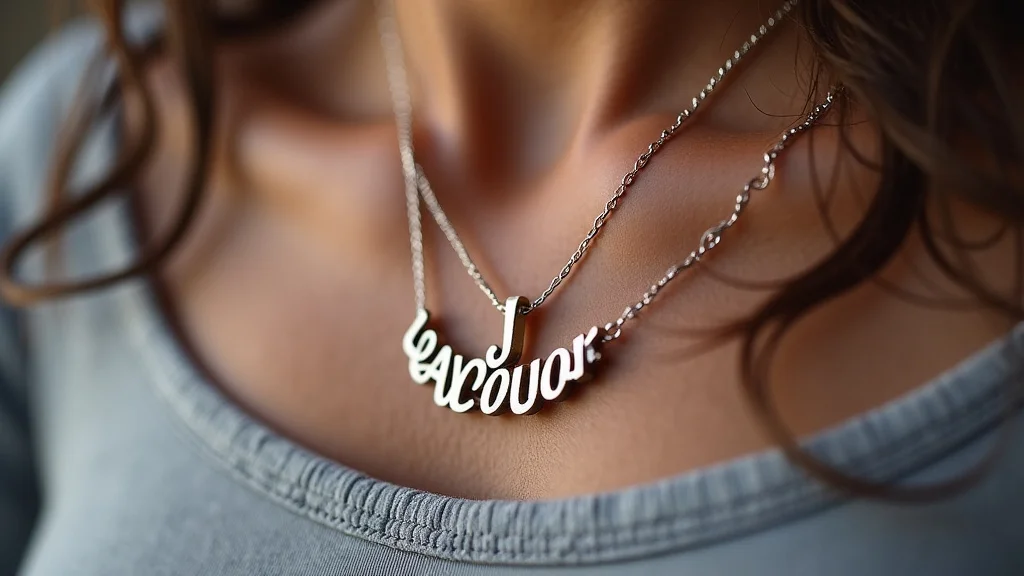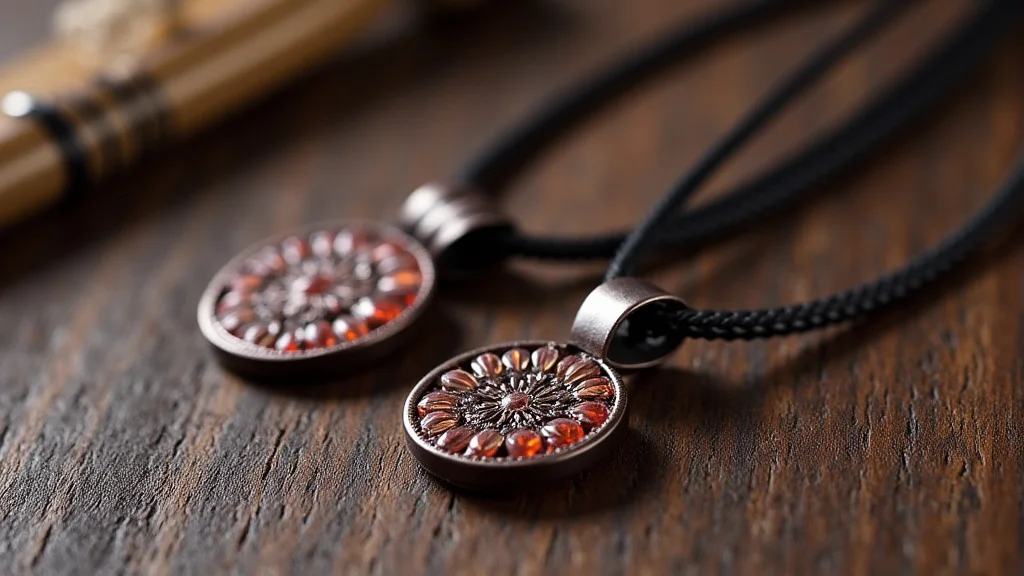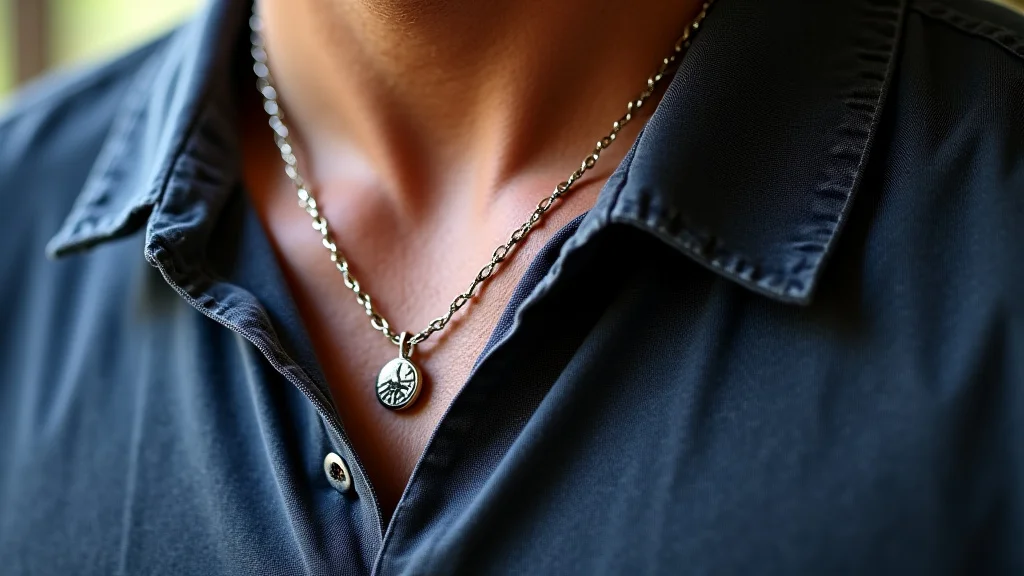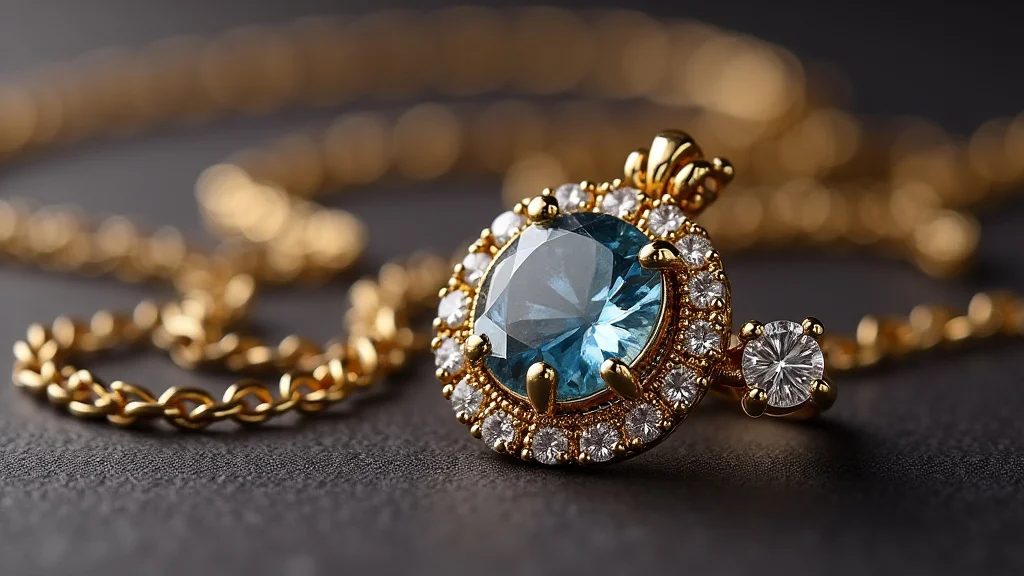
Remember that time you tried to take a perfect picture of your favorite necklaces pendants picture but the lighting was all wrong? Or when the necklace tangled itself into a chaotic mess? We’ve all been there! Capturing the beauty of your jewelry can be tricky. This guide will walk you through the essential steps, helping you transform your jewelry photos from snapshots into stunning visuals. You’ll learn the secrets to professional-looking photos without needing expensive equipment. This post is your go-to resource to creating captivating necklaces pendants picture that you’ll be proud to share or showcase. By the end, you’ll be equipped with the know-how to make your jewelry sparkle and shine, improving your social media presence and sales.
Key Takeaways
- Learn to choose the right photography setup for your jewelry photos.
- Master the art of lighting to make your necklaces and pendants look their best.
- Discover the best camera settings for capturing stunning details.
- Explore different composition techniques to create visually appealing images.
- Understand the importance of editing and post-processing for jewelry photos.
- Find ways to showcase your work attractively, boosting engagement.
Choosing the Right Setup for Necklaces Pendants Picture
Setting up your photography space is the first step toward perfect necklaces pendants picture. You don’t need a fancy studio; a well-lit area near a window or a desk with good overhead light is a great starting point. The goal is to provide consistent, soft lighting. Avoid direct sunlight, which can create harsh shadows and reflections. You can use a diffuser, like a white sheet or parchment paper, to soften the light. This will help reduce glare on your jewelry, ensuring a clear and appealing image.
Creating Your Photography Area
Your workspace is the foundation of your picture-taking endeavor. Find a location that offers plenty of space to set up your equipment and move around. A clean background is essential; a plain white surface is the ideal choice as it provides a neutral backdrop and makes your jewelry stand out. If you lack a suitable backdrop, using a large piece of white paper, a foam board, or even a piece of fabric will work wonders. Ensure the background is free from any distracting elements that could detract from the jewelry. Remember, your setup is your canvas, so keep it clean and organized.
- Select a Good Location: Choose a spot that has consistent natural light. Near a large window is often a good start.
- Use a Clean Background: A white or light-colored background helps your jewelry stand out.
- Gather Essential Equipment: Make sure you have a camera (smartphone camera is fine), a tripod, and a diffuser.
- Organize Your Space: Ensure your area is clean and free of distractions.
Essential Equipment for Jewelry Photography
Although expensive gear can enhance results, you can capture amazing photos with a basic setup. A smartphone with a decent camera is often sufficient. Consider using a tripod to keep your camera steady, especially when working in lower light conditions or using a slower shutter speed. Soft lighting is key; a simple diffuser, such as a white sheet or a piece of tracing paper, can make a huge difference in reducing harsh shadows and glare. Additional helpful items include a reflector to bounce light back onto the jewelry, ensuring even illumination, and various props like small stands or holders to position the jewelry at the ideal angle. These small additions can dramatically improve your images.
- Camera: A smartphone camera or a DSLR camera works.
- Tripod: Helps keep your shots steady.
- Softbox or Diffuser: Essential for reducing harsh light.
- Reflector: To bounce light and reduce shadows.
Tips for Proper Lighting
Light is a picture’s best friend. Soft, even lighting is vital for jewelry photography. To achieve this, try shooting near a window on a cloudy day, or use softboxes or diffusers to soften the light from artificial sources. Avoid direct sunlight, which can create harsh shadows and highlights. The goal is to illuminate the jewelry evenly, highlighting its details and sparkle. Positioning your light source slightly to the side and front of the jewelry can emphasize its shape and texture. Experiment with different light angles and intensity to find what works best for your necklaces pendants picture.
- Natural Light: Best used near a window on a cloudy day.
- Diffusers: Soften harsh light. Use white paper or fabric.
- Avoid Direct Sunlight: This can create unwanted shadows.
- Angle Light: Position your light to highlight jewelry features.
Mastering Lighting Techniques for Jewelry
The right light can make your jewelry shine, and the wrong light can make it look dull. The goal is to achieve balanced lighting that reveals the jewelry’s details without harsh reflections or shadows. Diffusers soften the light, and reflectors bounce light back onto the jewelry, reducing dark areas. Experimenting with different light angles helps you find the perfect setup for each piece. Consider the material and design of the jewelry when you adjust the light; different jewelry types, such as diamonds or pearls, reflect light in unique ways.
Understanding Different Light Sources
Natural light and artificial light both have pros and cons. Natural light, especially from a window on a cloudy day, is often ideal because it’s soft and even. Artificial light, such as LED lights or studio lights, provides more control but needs to be softened with diffusers. LED lights are energy-efficient and generate little heat, making them a good option for longer shoots. Studio lights offer greater control but require more setup. Choosing the right light source depends on your equipment and what works best with the jewelry you are photographing.
- Natural Light: Soft and consistent, especially on cloudy days.
- LED Lights: Energy-efficient with low heat.
- Studio Lights: Offer more control but need a diffuser.
- Flash: Can create harsh shadows; use a diffuser.
Utilizing Diffusers and Reflectors
Diffusers and reflectors are your allies in the world of jewelry photography. Diffusers, like softboxes or white sheets, soften harsh light, reducing reflections and creating a more balanced image. Reflectors, on the other hand, bounce light back onto the jewelry, filling in shadows and adding sparkle. Position them strategically to enhance your necklaces pendants picture. If you are starting out, a simple white foam board or even white paper can function as reflectors. Experiment with positioning and angling these tools to find the best look for your specific jewelry pieces. The strategic use of these items will help you avoid dark spots and bring out the beauty of your pieces.
- Diffusers: Soften light. Use white paper or fabric.
- Reflectors: Bounce light back. Foam boards or white cardstock work.
- Positioning: Experiment with angles to find the best look.
- Material Matters: Choose reflectors that work best for the jewelry.
Controlling Shadows and Reflections
Dealing with shadows and reflections is key to achieving professional-looking jewelry photos. Shadows can obscure details, and reflections can create distracting highlights. Place your light source at an angle to reduce shadows, and use diffusers to soften the light. For reflections, consider using a polarizing filter on your lens or repositioning your light sources. Experiment with different angles and lighting setups to find the perfect balance that highlights your jewelry without unwanted distractions. This attention to detail ensures your pictures capture the jewelry’s true beauty.
- Angle Lighting: Reduce shadows by angling the light.
- Use Diffusers: Soften harsh light.
- Polarizing Filters: Reduce reflections.
- Adjusting Light: Find the ideal balance.
Camera Settings and Composition
Understanding camera settings and composition is essential for capturing stunning necklaces pendants picture. Settings like aperture, ISO, and white balance can dramatically impact the outcome of your photos. Composition involves arranging the elements in your photo to create a visually appealing image. Together, these elements enable you to capture your jewelry in a way that grabs attention and highlights its best features.
Choosing the Correct Camera Settings
Selecting the right camera settings can make a huge difference in your images. The aperture controls the depth of field, which determines how much of your image is in focus. A smaller aperture (higher f-number) will keep more of the jewelry in focus, which is often preferable for detail shots. ISO controls the camera’s sensitivity to light; use a lower ISO setting to minimize noise in your photos. White balance ensures accurate colors, and you can usually set it automatically or choose a setting that matches your lighting. Mastering these settings will enable you to capture clear, vibrant photos.
- Aperture: Use a smaller aperture (higher f-number) for more focus.
- ISO: Keep it low to reduce noise.
- White Balance: Set it accurately for true colors.
- Shutter Speed: Adjust for lighting conditions.
Composing Your Shots Effectively
The composition of your shot directly affects its impact. Start by positioning your jewelry to create an appealing image. The rule of thirds is a useful guideline; divide your frame into nine equal parts and place your jewelry along the lines or at the intersections. Experiment with different angles and viewpoints to discover the most flattering presentation of your jewelry. Consider adding props like small stands or elegant backgrounds to enhance the visual appeal. The goal is to draw the viewer’s eye and showcase the jewelry’s design and beauty.
- Rule of Thirds: Position items along lines or at intersections.
- Angles: Experiment with viewpoints.
- Props: Use stands or elegant backgrounds.
- Focus: Make sure the jewelry is the star.
Using Depth of Field for Impact
Depth of field is the area of your picture that appears sharp. Using a shallow depth of field (larger aperture) can blur the background and keep the focus on the jewelry, while a larger depth of field (smaller aperture) can bring more of the scene into focus. Experiment with both to see which looks better for your needs. A shallow depth of field can create a more artistic look, while a larger depth of field can show off more detail. Use this technique to control the viewer’s attention and highlight your necklaces pendants picture. The choice depends on the jewelry design and your visual goals.
- Shallow Depth of Field: Blur the background.
- Larger Depth of Field: Keep more of the image in focus.
- Aperture Control: Adjust the aperture to change the depth of field.
- Focus: Draw attention to the key elements.
Post-Processing and Editing
Editing is the final step in creating professional-looking jewelry photos. Post-processing can fix minor imperfections, enhance colors, and make your jewelry sparkle. Even small adjustments can make a huge difference. Using software or apps can help you achieve the desired effects. With the right techniques, you can make your photos stand out and reflect the true beauty of your jewelry.
Editing Software and Apps
There are many options for editing your jewelry photos, from free apps to professional software. Popular choices include Adobe Lightroom, Photoshop, and Snapseed. Basic editing tasks include adjusting brightness, contrast, and color. More advanced techniques include removing imperfections, sharpening details, and enhancing the jewelry’s sparkle. Each tool offers various features; explore the options and choose what you’re comfortable with. Practicing with these tools will improve your editing skills and let you create captivating images.
- Adobe Lightroom: A common choice for photography.
- Photoshop: Great for advanced editing.
- Snapseed: A free app for mobile editing.
- Editing Techniques: Adjust brightness, contrast, and color.
Color Correction and Enhancement
Color correction is key for ensuring your jewelry looks its best. Adjusting the white balance is a great starting point, and it ensures that the colors in your picture are accurate. Subtle adjustments to the color and saturation can make your jewelry pop. Be careful not to overdo it; the goal is to enhance the existing beauty, not alter the image dramatically. Experiment with different color profiles, and always compare your edited photo to the original to make sure the changes look natural. Proper color correction enhances detail and makes your jewelry look more appealing.
- White Balance: Ensure accurate colors.
- Color Adjustment: Make subtle color enhancements.
- Saturation: Increase or decrease color intensity.
- Accuracy: Make changes look natural.
Retouching and Finishing Touches
Retouching can remove blemishes, dust, or other distractions that can detract from your necklaces pendants picture. Use tools like the spot healing brush or clone stamp to get rid of imperfections without drastically changing the look of your jewelry. Sharpening the image can enhance details, making the jewelry’s intricate features more noticeable. Once you have made your necessary adjustments, ensure your image is saved in the best format for its intended use, whether that be for online stores or social media. Finishing touches can make a significant difference, turning an okay image into a picture that shines.
- Remove Imperfections: Use the spot healing brush.
- Sharpen: Enhance detail.
- Optimize: Save the image in the right format.
- Refinement: Add the finishing touches.
Showcasing Your Photos
Once you’ve taken and edited your photos, the next step is to showcase them effectively. The best way to present your work varies, based on your target audience and the purpose of the pictures. Whether you are using them for an online store, social media, or other forms of marketing, high-quality images can significantly influence the success of your efforts. Using the right platforms and creating engaging content are key. This is the moment to present your jewelry in a way that truly grabs attention.
Using Photos on Social Media
Social media is a great platform for showcasing your jewelry pictures and reaching potential customers. Choose platforms where your target audience spends time, and create content that is appropriate for each. High-quality photos, combined with compelling captions and relevant hashtags, increase visibility. Interact with your audience, respond to comments, and consider running contests or promotions to increase engagement. Keep your content consistent and post regularly to keep your audience interested. This is one way to boost brand recognition and turn followers into customers.
- Choose Platforms: Focus on places your audience hangs out.
- Use Great Photos: Create visually appealing posts.
- Write Engaging Captions: Tell a story.
- Use Hashtags: Improve visibility.
Creating a Product Display Online
Creating an appealing product display online is key for selling jewelry. High-quality photos are essential. Present each piece of jewelry from different angles to give customers a complete view. Use clear, concise descriptions, and include relevant details such as materials, dimensions, and any unique features. Showcase your necklaces pendants picture alongside pricing and availability. Make sure your online store has a user-friendly layout so shoppers can easily find what they’re looking for. A great online display can turn visitors into customers.
- High-Quality Images: Make sure they look great.
- Multiple Angles: Give customers a complete view.
- Product Details: Include important info.
- Easy Navigation: Make your site easy to browse.
Marketing and Promotion Tips
Effective marketing and promotion can increase the visibility of your jewelry pictures. Use social media, email marketing, and other channels to reach potential customers. Run targeted ads, collaborate with influencers, and consider offering promotions and discounts. Create a consistent brand image across all platforms, and ensure that your images match your brand’s aesthetics. Participate in online marketplaces and craft a captivating story around your brand. These methods can help you to build a wider audience and drive sales.
- Social Media: Use ads to target your audience.
- Email Marketing: Inform people about offers.
- Collaborate: Partner with influencers.
- Build a Brand: Keep your message consistent.
Common Myths Debunked
Myth 1: You Need Expensive Equipment for Good Photos
Many believe that only expensive cameras and lighting can create excellent jewelry photos. However, the truth is that while professional equipment helps, you can produce stunning images with a smartphone and some basic accessories. Effective use of lighting and composition is more critical than the equipment. The goal is to focus on quality, not on a high price tag. With patience and practice, anyone can take professional-looking pictures.
Myth 2: Direct Sunlight Is Great for Jewelry Photography
Direct sunlight creates harsh shadows and highlights, which can ruin details in your pictures. It’s much better to use soft, diffused light, such as that from a window on a cloudy day or softboxes. Diffused light provides even illumination and reduces glare. Proper lighting is much more effective than shooting in direct sunlight. This technique brings out the best in your jewelry.
Myth 3: You Have to Be a Professional Photographer
You do not need to be a professional photographer to take great pictures of your jewelry. Photography can be learned through practice. There are many online resources, tutorials, and communities where you can enhance your skills. Focus on the basics, such as lighting, composition, and editing. With time and effort, you can develop the necessary skills to create professional-quality photos.
Myth 4: Editing Always Makes a Photo Better
While editing is important, over-editing can damage the pictures. The goal is to enhance the image, not to change it. Use editing to fix imperfections, enhance colors, and adjust the brightness and contrast. Avoid making extreme alterations that look unnatural. Quality editing improves the image without making it look fake.
Myth 5: All Jewelry Looks Good in Photos
While photography can enhance a piece, not all jewelry photographs well. The design, materials, and details of the jewelry play a vital role. Jewelry with intricate details and reflective surfaces tends to photograph best. The photographer’s skills and knowledge of the subject also make a difference. Focusing on well-designed jewelry and using appropriate photography techniques helps achieve the best results.
Frequently Asked Questions
Question: Can I use my phone to take good jewelry photos?
Answer: Yes, you can! Modern smartphones have excellent cameras that are more than capable of taking high-quality photos. The key is to use proper lighting and composition techniques.
Question: What’s the best background color for jewelry photos?
Answer: A plain white or light-colored background works best. It provides a neutral backdrop that makes your jewelry stand out.
Question: Do I need a tripod?
Answer: A tripod is helpful. It keeps your camera steady, especially in low-light conditions, and helps you take clearer pictures.
Question: How can I remove reflections from my photos?
Answer: Experiment with the angle of your light sources, use a polarizing filter on your lens, and use a diffuser. Position the lighting carefully and make use of the right angles to fix this problem.
Question: How much editing is too much?
Answer: The goal is to enhance, not transform. Don’t overdo editing; your pictures should still look natural.
Final Thoughts
Creating beautiful necklaces pendants picture is achievable with the right techniques. You don’t need an expensive studio or professional-grade equipment to get started. From setting up your area and mastering lighting to understanding camera settings and editing, each step plays a crucial role. By practicing composition and learning to make post-processing adjustments, you can bring your jewelry’s beauty to life. Remember, the quality of your images can dramatically affect how your jewelry is viewed by potential customers or friends and family. Don’t be afraid to explore and experiment. The more you practice, the better you’ll get! Now go ahead, try these tips, and make your jewelry shine!