Last updated: October 21, 2026
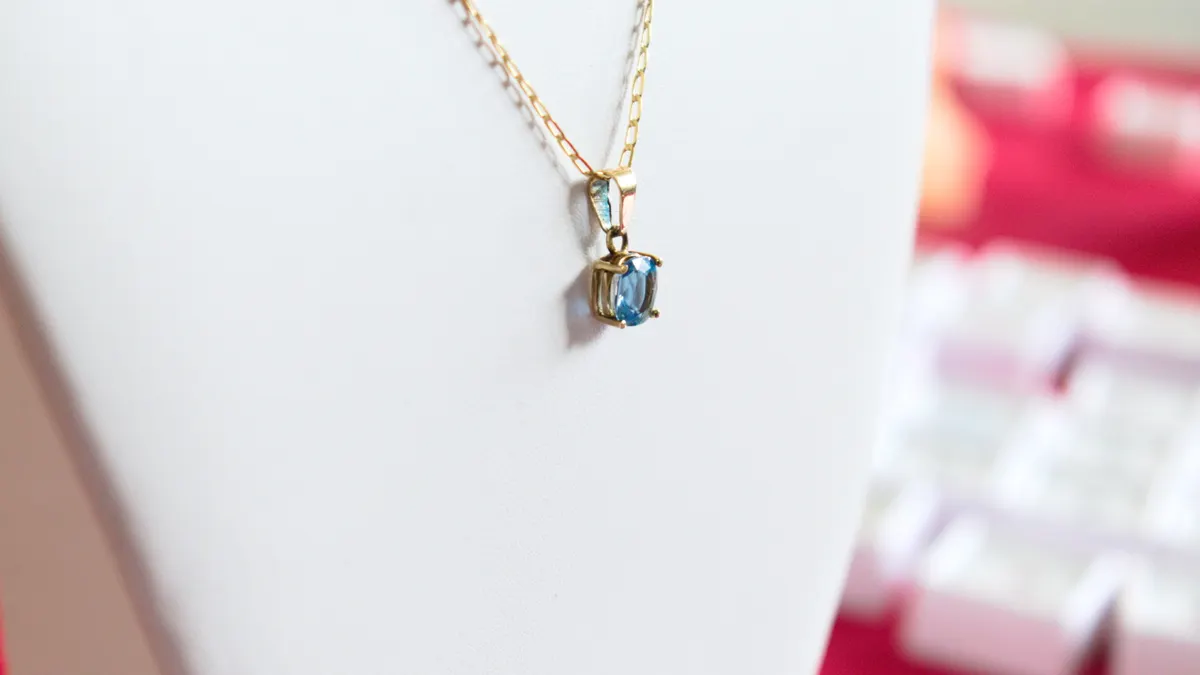
Quick answer: For most heavy pendants, start with a rope, box, or curb chain in a substantial gauge; in practical terms, a 1.8 mm to 2.5 mm chain is often a better starting range than a very fine chain, depending on the pendant and bail. The topic of best chain styles for heavy pendants is really about support, fit, and clasp strength, not just appearance. A heavy pendant needs a chain that can carry weight without stretching, twisting, or opening at the clasp, and the safest starting point is usually a rope, box, or curb chain with enough thickness for the pendant’s bail. Delicate-looking chain? Probably wrong for the job, even if it looks elegant on the page.
Key takeaways
- The chain must support the pendant’s weight at the bail, not just look good from the front.
- Rope, box, and curb chains are the most practical choices because they spread load better than ultra-fine styles.
- A narrow pendant bail can make the wrong chain fail even when the chain itself is strong.
- Thin chains can work for small pendants, but they are a bad match for chunky stones, metal charms, and statement pieces.
- The right pick balances strength, comfort, and how much visual bulk you want under the pendant.
What a heavy pendant chain has to do
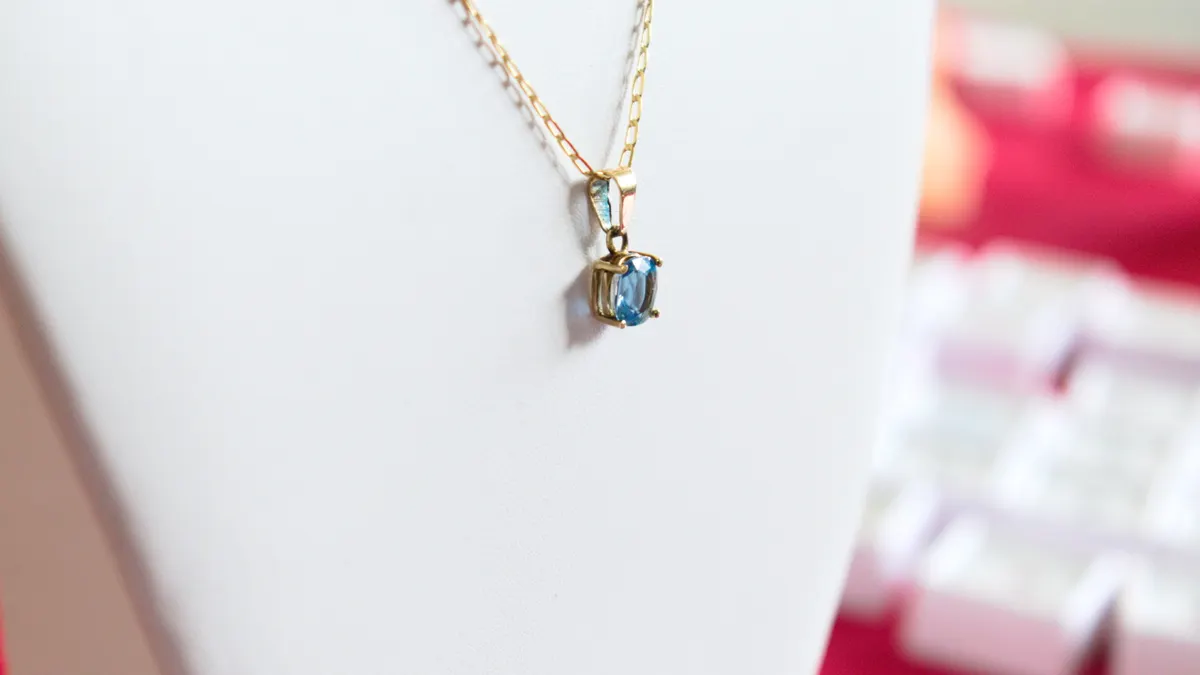
A heavy pendant chain has to hold the pendant upright, move without kinking, and resist wear at the attachment point. So the real decision is structural, not decorative.
Three things matter at once. First, there has to be enough metal in each link or segment to carry the load. Second, the profile needs to feed easily through the pendant bail. Third, the clasp cannot become the weak point. A strong chain with a tiny spring ring can still be the first thing to fail if the pendant is substantial.
Think in terms of load distribution. Flat, flimsy, or very open links concentrate stress in a few spots; denser styles spread it out. That is why a chain that measures around 1.5 mm or 2 mm in thickness may be fine for a lightweight charm but feel underbuilt for a pendant with real mass. The pendant does not care how expensive the chain looked in the listing. Harsh, but true.
The same logic shows up in chain construction standards used in fine jewelry manufacturing, where link form and load-bearing parts matter as much as finish. For background on metal work and durability, the Gemological Institute of America and the International Gem Society both discuss how construction affects wear and longevity in jewelry pieces. GIA and IGS are useful starting points for that kind of technical reading.
“Best chain type for pendant” is too broad a question. A heavy pendant narrows the field. I am not talking about dainty styling here; I am talking about the kind of chain that should still look stable after weeks of wear.
If the pendant is especially heavy, the bail matters as much as the chain. A bail that is too narrow can jam on a thicker chain, create rubbing, or force the pendant to hang crooked. The right match is the one where the bail passes cleanly and the pendant can pivot without binding.
Which chain styles are strongest for heavy pendants?
Rope, box, and curb chains are the most dependable choices for heavy pendants because they combine strength with a shape that supports weight well.
A rope chain is often a practical visual and structural compromise. Its twisted construction gives it more resilience than a flat, airy chain of similar visual weight, and it tends to look substantial without needing the widest profile. For many pendants, that makes it a natural all-rounder.
A box chain is a clean option when the pendant bail is narrow and the pendant itself is not overly large. The square links distribute tension evenly and present a tidy surface through the bail. The trade-off is rigidity; very fine versions are not the right choice for truly heavy pieces.
A curb chain is a straightforward workhorse. Its flattened, interlocking links sit well under a pendant and usually look intentional with heavier metal pendants or bold stone settings. It can be especially good when the pendant is meant to sit visibly on the chest instead of floating delicately. The drawback is simple: it can visually overpower a smaller pendant.
For a heavy pendant, I would generally avoid ultra-thin snake chains, highly open link styles, and lightweight cable chains unless the pendant is modest. Those styles can be fine for lighter jewelry, but they are not the first pick when support matters more than finesse.
Choose the style that looks slightly more substantial than you think you need. Underbuilding the chain is the mistake that sends people back to the jeweler.
How do I match the pendant bail to the chain?
The pendant bail should fit the chain with a little clearance, and that clearance is what keeps the pendant from rubbing, pinching, or hanging sideways.
A pendant bail is the loop that connects the pendant to the chain. Too narrow, and the pendant may not pass through at all, or it may scrape against the links every time it moves. Too wide, and the pendant can wobble and tilt more than you want. The sweet spot is enough room for the chain to move freely without creating a sloppy fit.
“Clean pass-through, not loose marriage” is the easiest way to think about it. A box chain with square links often slides through a bail neatly. A rope chain can work well too, but the twisted profile sometimes needs a bail with a little more interior room. A curb chain usually sits somewhere in between, depending on how flattened the links are.
Here is the practical sequence I would use before buying:
- Measure or look up the bail’s inner opening in millimeters, then compare it with the chain’s widest point, not just the advertised thickness.
- Choose a chain style whose profile is slimmer than the bail opening by a small margin, so it can move without binding.
- Check whether the pendant hangs front-facing or twists; a pendant that spins a lot needs a smoother chain surface.
- Look at the clasp and jump rings to make sure they are proportionate to the chain, because a weak connector can fail before the chain does.
- Balance the visual ratio: a large pendant usually looks better on a chain with enough body to carry it, even if the chain is not the star of the piece.
The main mistake here is assuming any chain that “fits through” the bail is a good fit. Sometimes a chain can thread through but still grind against the pendant, which shortens the life of both pieces.
How thick should the chain be for supporting weight?
A thicker chain is usually safer for supporting weight, but the right thickness depends on the pendant’s mass, the chain style, and the clasp design.
There is no universal millimeter number that fits every pendant, because a 2 mm rope chain and a 2 mm cable chain do not behave the same way. Still, for heavy pendants, very thin chains are rarely the right answer. A chain that looks fine with a lightweight charm can look underpowered once a solid metal pendant or stone setting is attached.
Treat thickness as a structural decision first and a style decision second. For high-value or daily-wear pieces, it is wise to consult a jeweler or other professional before buying. If the pendant is substantial enough that it pulls the chain straight when held by hand, the chain should not be in the dainty category. It should have enough body that it does not collapse visually under the pendant’s weight. That usually points toward a rope chain, box chain, or curb chain in a more substantial gauge.
Two trade-offs matter here. Thicker chains are generally more durable, but they are less discreet. And a thicker chain may make the pendant ride higher or sit less fluidly if the bail is narrow. The chain and bail have to be chosen as a pair.
This is where a lot of generic advice goes wrong. It says “choose a thick chain,” as if thickness alone solves everything. It does not. A thick chain with a poor clasp, a weak jump ring, or the wrong bail match still creates a failure point. A 1.8 mm to 2.5 mm chain style may outperform a heavier-looking chain that uses a less suitable construction, depending on the pendant shape.
If the pendant is especially valuable or fragile, I would also pay attention to the finish and joining points. Rough edges inside the links can wear the bail over time, especially with daily movement.
Which chain style should I buy for my pendant?
For most heavy pendants, I would buy a rope chain first, a box chain second, and a curb chain when I want a bolder look or a flatter seat under the pendant.
A rope chain is the safest starting point when you want strength without making the chain visually clunky. It is also the easiest recommendation when you do not yet know how the pendant will sit, because it tends to work with a broad selection of bails. The downside is that it can look busier than a box chain, so it is not ideal if the pendant already has a lot of texture.
A box chain is the better choice when the pendant bail is narrow and the pendant needs a neat, controlled hang. It suits geometric pendants, polished metal pieces, and designs where you want the chain to disappear a little. The drawback is rigidity; if the pendant is large and movement matters, the chain can feel less supple than a rope chain.
A curb chain is the better pick when the pendant is heavy enough that you want the chain to look intentionally substantial. It pairs well with architectural designs and bold settings, though those are style tendencies rather than rules. The drawback is straightforward: if the pendant is small, the chain can dominate the look.
A generic article usually misses this part: the chain style is not just about strength, it is about how the pendant behaves on the body. A chain that looks perfect on a tray can pull crooked once it is worn. The winning choice is the one that keeps the pendant centered and stable without making the necklace feel overbuilt.
If I had to give one plain-English recommendation, it would be this: buy the chain that looks like it was made to carry something, not like it was made to be noticed first.
Common mistakes that make heavy pendants fail early
The most common mistake is pairing a heavy pendant with a chain that is too fine, too open, or too delicate at the clasp.
That mistake costs you in two ways. The necklace can wear unevenly at the bail, and the chain can fail at the weakest link long before the pendant wears out. A very light cable chain may survive with a small charm, but it is the wrong category for a pendant that has real mass.
A second mistake is ignoring the bail width. Too tight, and the chain grinds; too loose, and the pendant slides and twists. Either way, the pendant stops hanging cleanly. The fix is to match the chain profile to the bail, not to assume all “gold chains” or “silver chains” behave alike.
A third mistake is choosing by appearance alone. A fine, high-shine chain can look elegant in a product photo and still be a poor support choice for a 40 mm statement pendant or a dense metal piece. If the pendant has weight, the chain should look like it has some reserve strength.
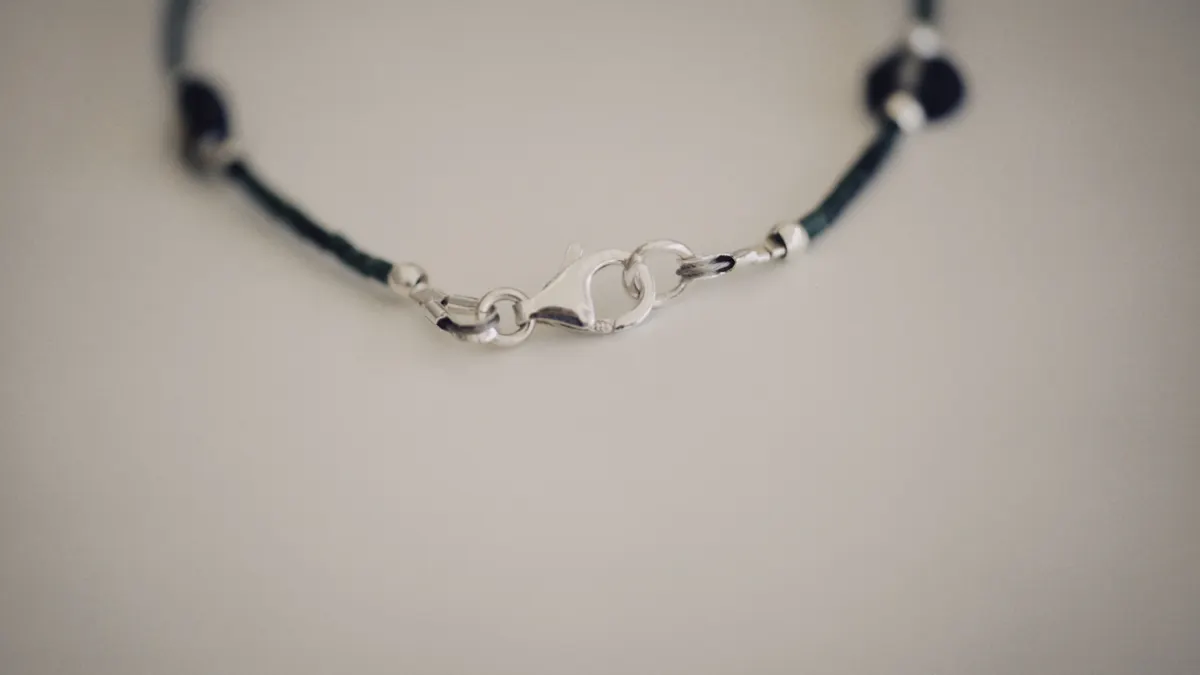
A fourth mistake is forgetting the clasp. A chain can be structurally appropriate and still be let down by a small spring clasp that feels out of scale. The clasp should be easy to open, close securely, and match the chain’s load. A lobster clasp is often the more practical shape on a heavier necklace than a tiny ring-style closure, though the exact build matters more than the name alone.
The fix across all these mistakes is the same: think of the whole system. Pendant, bail, chain, jump rings, and clasp all have to work together.
What to choose if you want strength first and style second
If strength matters more than ornament, choose a rope chain with a secure clasp and a bail that gives the pendant room to move.
That is the least fussy answer for a buyer who wants the pendant to stay supported and look balanced day after day. A rope chain usually gives the best mix of durability and flexibility. A box chain is the next smart choice when the bail is narrow or the design is geometric. A curb chain is best when the necklace itself is meant to look substantial and the pendant can handle a wider visual base.
I would not choose a very delicate chain for a heavy pendant, even if the pendant is small in diameter. Weight is not only about size; dense metal, thick glass, and solid stone settings can all put real stress on the chain. If the pendant is the kind of piece you would hesitate to drop on a table, it deserves a chain that is clearly up to the job.
For readers coming from the broader guide to what a pendant necklace is, this is the practical next step: once the pendant is chosen, the chain stops being background and becomes the support system. That is the part worth getting right.
Drafted with AI; not yet reviewed by a person.