Remember that time you stumbled upon a quirky antique shop, and a beautifully detailed skeleton pendant caught your eye? It was striking, a little edgy, and definitely sparked a conversation. This post explores everything you need to know about necklaces pendants skeleton – from their historical roots to how to choose the perfect one for your style. We’ll explore materials, design variations, and how to style these unique accessories. By the end, you’ll be able to make informed choices and find a piece that truly resonates with you, increasing your knowledge and confidence.
Key Takeaways
- Learn about the history and symbolism of skeleton jewelry.
- Discover a variety of materials used to create skeleton necklaces and pendants.
- Explore different design styles, from gothic to contemporary.
- Understand how to style skeleton pendants with different outfits.
- Find out how to care for your skeleton necklace to keep it looking great.
- Get tips on where to purchase unique skeleton pendant designs.
The Story Behind Skeleton Jewelry
The appeal of necklaces pendants skeleton stretches back centuries. Their origins are far more extensive than one might believe. They represent a fascinating blend of history, symbolism, and individual expression. The use of skeletal imagery in jewelry, though often associated with modern subcultures, has deep roots. In various cultures and historical periods, skeletons have symbolized mortality, rebirth, and the cyclical nature of life. They served as a constant reminder of the impermanence of existence and the value of living fully. The skeleton, stripped of all that is superficial, is a direct visual representation of the core. As a result, skeleton jewelry can carry a very complex meaning, often referencing one’s own mortality, a personal rebirth, or even a fascination with the macabre.
Historical Context and Symbolism
The symbolic meaning of skeleton imagery shifts across time periods and cultures. In some ancient societies, skeleton figures were linked to ancestor worship and commemorating the departed. Ancient Egyptians, for example, believed in a vibrant afterlife, and skeletal depictions were sometimes included in funerary items, representing the body’s transformation. During the medieval era, the ‘memento mori’ concept became popular. These were reminders of death, frequently including skulls and skeletons in art and jewelry to reflect on life and its brevity. These items served as a constant reminder of the transient nature of life. These pendants served as a way to contemplate on the idea of mortality. They were a way for one to understand the circle of life and accept it.
- Memento Mori: The phrase, meaning “remember you must die,” was a significant artistic theme, where skeletal elements served as a reflection on death. These reminders weren’t always somber; they prompted people to live more fully. This theme allowed for a deeper reflection.
- The Renaissance: Art and jewelry became more intricate. Skeletal motifs were incorporated into elaborate designs, reflecting philosophical concepts and artistic skill. Skeleton pendants could be highly ornate.
- Victoriana and Beyond: The Victorian era saw a resurgence in memento mori jewelry. This period saw a rise of romanticizing death. This romanticism saw the introduction of skeleton jewelry as a way to remember loved ones.
Cultural Interpretations and Modern Trends
Today, the interpretation of necklaces pendants skeleton has expanded to accommodate modern culture. Gothic, punk, and alternative subcultures have embraced skeletal imagery, symbolizing individuality, rebellion, and a distinct aesthetic. Moreover, the skeleton has become a fashion statement. However, its value goes beyond mere fashion; it serves as a personal emblem. Contemporary designs often incorporate innovative materials and modern artistic styles, keeping the symbolism relevant to an evolving audience.
- Gothic Fashion: This subculture has always embraced skeleton jewelry, using it to express an appreciation for darkness and the macabre. Skeleton pendants pair with lace and dark clothing.
- Punk Rock: Skeletons are frequently seen in punk rock fashion, symbolizing the rejection of norms. Such pieces are frequently made of tough materials, echoing their rebellious nature.
- Modern Minimalism: Skeleton pendants are integrated into cleaner, less ornate styles. The simplicity emphasizes the raw power of the imagery. This shows the versatility of the symbol.
Materials and Designs of Skeleton Pendants
The materials employed and designs of necklaces pendants skeleton vary widely, reflecting a range of styles and preferences. The choice of materials affects the piece’s appearance, durability, and cost. Each design can convey an array of meanings and aesthetic values. From classic precious metals to cutting-edge mixed media, the options are extensive.
Metal Choices and Their Characteristics
The most popular metals are used to create skeleton pendants due to their appearance and durability. Each metal offers its own unique advantages and aesthetic characteristics.
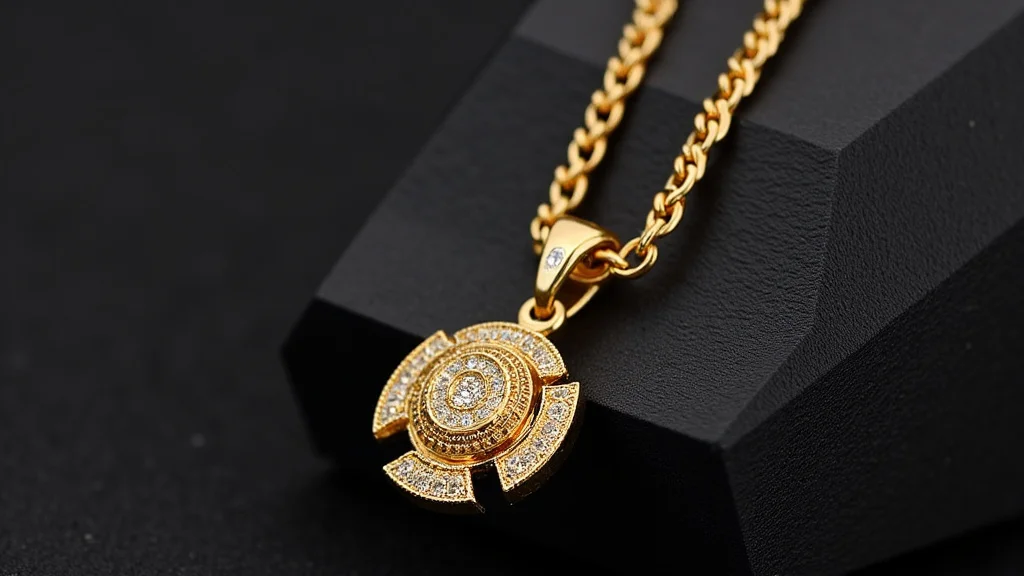
- Gold: Revered for its beauty and value, gold is a popular choice for pendants. It can be made in various karat levels, with 18k gold being a good balance between purity and durability. Gold pendants have a timeless appeal and they can be engraved with intricate details. They are often associated with wealth and status.
- Sterling Silver: Silver offers a brilliant luster and is a more affordable alternative to gold. It’s often used for intricate designs. Sterling silver has a higher maintenance requirement, as it will tarnish over time. It represents a more contemporary style, perfect for everyday wear.
- Stainless Steel: Known for its toughness and affordability, stainless steel is a great choice for day-to-day use. Stainless steel is resistant to tarnish and requires less maintenance. Its durability makes it ideal for complex designs.
- Titanium: Titanium is durable and lightweight. It’s hypoallergenic, making it ideal for those with sensitive skin. Titanium’s gray tone makes it very appealing. Its unique look makes it a perfect addition to skeleton necklaces.
Design Styles and Variations
The design of a skeleton pendant can vary widely, from realistic depictions to stylized versions. The design influences the pendant’s overall aesthetic and how it resonates with the wearer.
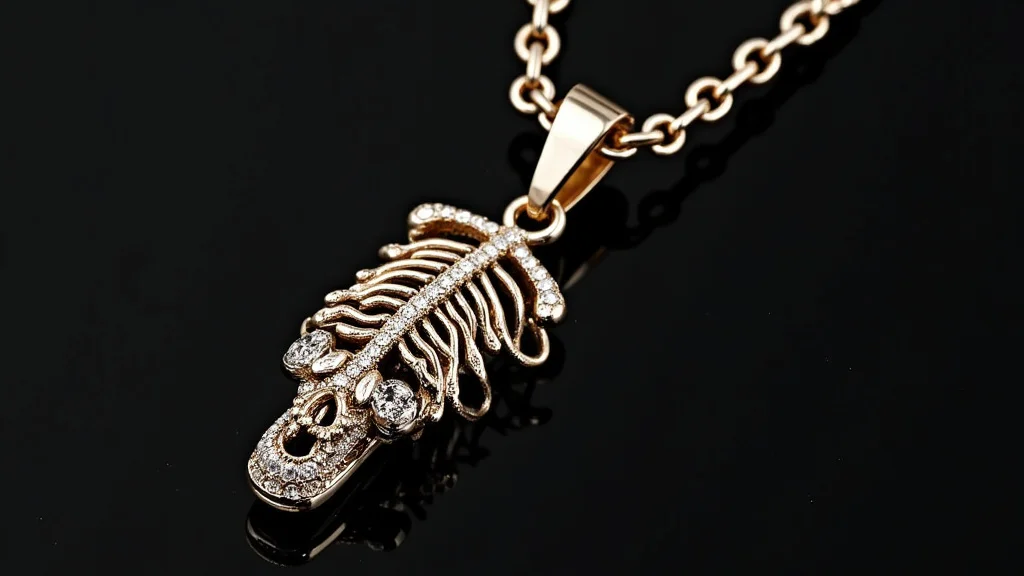
- Realistic: These designs replicate the human skeleton in great detail. They can be very intricate and are designed to provide a sense of realism. The detailed designs tend to be popular with those seeking a deeper connection with the symbolism.
- Stylized: Stylized pendants employ artistic license, simplifying and abstracting skeletal elements. They might highlight certain aspects like the skull or ribcage to generate a unique look. They offer a great chance for designers to show their creativity.
- Gothic: These designs draw inspiration from Gothic architecture and dark themes. They often have sharp angles, detailed bones, and can incorporate other elements, like crosses and ornate details. Gothic pendants are popular with the gothic subculture.
- Modern: Modern designs are simple, geometric, and elegant, emphasizing clean lines and contemporary materials. These pendants aim to make skeleton imagery a versatile fashion accessory.
- Layered Designs: The concept of layering has led to a lot of experimentation in skeleton pendant design. Such designs combine several elements to create a unique aesthetic. The layering can also include the mixing of various metals.
Styling Your Skeleton Necklace
Styling necklaces pendants skeleton is an exciting way to showcase your personal style and embrace the symbolic resonance. This is not just a fashion accessory; it is an extension of your personality. The key is to balance the pendant’s inherent boldness with the overall outfit. Consider the design of the pendant and then combine it with your attire. Whether you are going for a casual, edgy, or sophisticated look, a skeleton pendant can be a great addition to your wardrobe.
Matching Pendant Styles With Outfits
Matching the design of your skeleton pendant to your outfit style is critical for an integrated and polished look.
- Casual: For a relaxed style, a simpler pendant made of silver or stainless steel works well. Pair this with a plain T-shirt, jeans, or a casual dress. A subtle, stylized skeleton pendant adds an element of intrigue.
- Edgy: For an edgier aesthetic, choose a more dramatic pendant. A gothic-style pendant with sharp details, made of darkened metal, looks great with leather jackets, band tees, and dark-colored clothing. The more elaborate the necklace, the better.
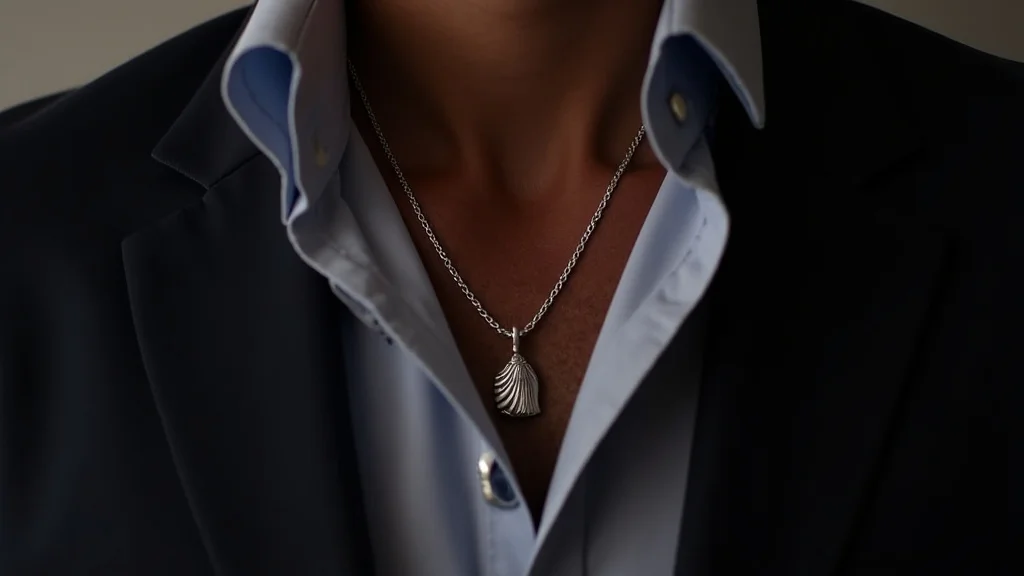
- Formal: To bring a skeleton pendant into a more formal setting, opt for a gold or silver pendant with an intricate design. Consider pairing it with a tailored blazer or a simple evening gown. Be sure not to overwhelm the overall look.
Layering and Pairing with Other Jewelry
Layering and pairing your skeleton necklace with other pieces of jewelry can enhance your style. When layering, keep in mind the different chain lengths, designs, and metal colors. This is the way to create a more intriguing overall look.
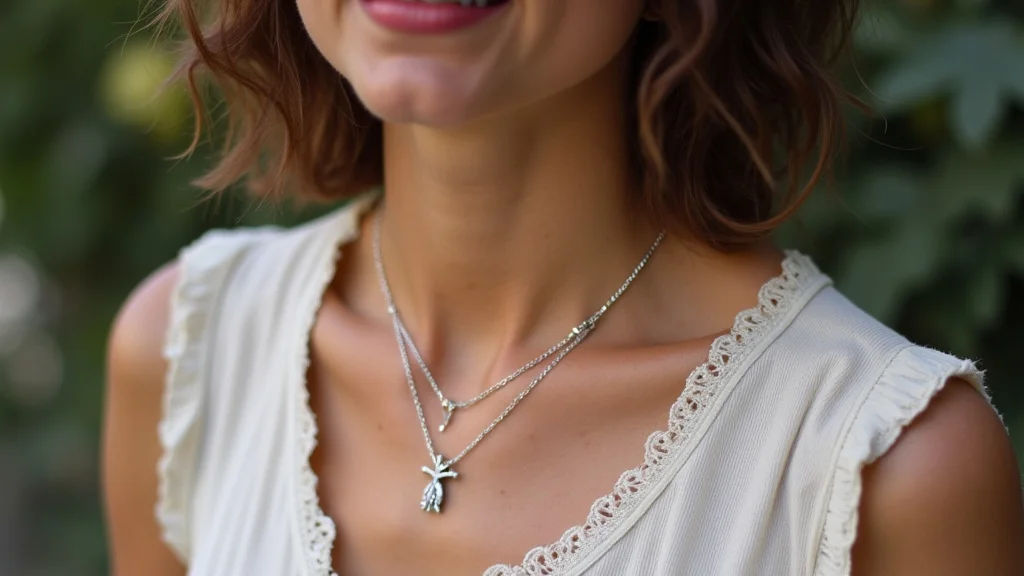
- Layering: Combining your skeleton pendant with other necklaces can make your overall look much more intriguing. Vary the lengths. Consider a delicate chain with a small pendant, a medium-length chain, and a skeleton pendant. This creates an appealing mix of textures and styles.
- Complementary Pieces: The inclusion of complementary pieces, such as bracelets or earrings, can add to the pendant. If the pendant is silver, pairing it with silver rings or bracelets maintains consistency. However, mixing metals can also be a very appealing choice.
- Consideration of Necklines: The style of the necklace you choose can be influenced by the neckline of the clothing you are wearing. For example, a choker-style pendant is great with a V-neck or a top with a scoop neck. A longer pendant works great over a turtleneck.
Case Studies: Successful Style Combinations
- The Minimalist Approach: A woman wears a simple silver skeleton pendant with a minimalist design. She pairs it with a plain black top and a pair of dark jeans. The pendant adds a subtle edge.
- The Gothic Look: A person with a gothic-style pendant with a detailed skull and crossbones design. They style it with a black velvet dress, studded boots, and dark makeup. The pendant is a bold focal point.
- The Layered Effect: An individual layers a gold skeleton pendant with a chain. The layers include a delicate chain. This look, combined with other accessories, adds an element of sophistication.
Caring for Your Skeleton Pendant
Caring for your skeleton pendant is critical to keep its appearance and value for a long time. The way you care for your pendant depends on the material it’s made of and the designs. Proper maintenance and storage can help protect your pendant from damage and keep it looking its best. Routine cleaning and appropriate storage will help maintain its beauty.
Cleaning and Maintenance Tips
Cleaning your necklaces pendants skeleton regularly will prevent any buildup of dirt and tarnish. You must consider the specific material of your pendant and then clean it accordingly.
- Cleaning Metals: For gold and silver pendants, clean them with a soft cloth and a gentle jewelry cleaner. Be careful when cleaning delicate designs. Never use harsh chemicals or abrasive materials.
- Dealing with Tarnish: Silver pendants can tarnish over time. Use a silver polishing cloth to restore its shine. For stubborn tarnish, it might be necessary to use a silver dip cleaner. Be certain to follow the directions closely.
- Cleaning Stainless Steel and Other Metals: For stainless steel pendants, use mild soap and water. Dry the pendant with a soft cloth. Avoid using harsh chemicals.
- Checking for Damage: Examine your pendant regularly for loose stones, breaks, or other damage. If needed, bring it to a professional jeweler for repairs.
Storage and Protection
Appropriate storage helps protect your pendant from damage and helps keep it in its original condition. When you are not using your pendant, be sure to store it properly.
- Individual Storage: Store each pendant separately in a soft pouch or a jewelry box with individual compartments. This keeps them from scratching against other jewelry.
- Avoiding Direct Sunlight: Store your pendant away from direct sunlight and extreme temperatures. Heat and light can cause discoloration or damage.
- Avoiding Humidity: Keep your jewelry in a dry area. Humidity can speed up tarnishing and corrosion. Using anti-tarnish strips in storage can also help to protect them.
Finding and Choosing Your Skeleton Pendant
Choosing the ideal necklaces pendants skeleton includes considering where to find a suitable design and what factors to consider. This involves investigating different retailers, considering the quality of workmanship, and evaluating the details of the design to make sure it matches your individual tastes and needs. Whether you’re interested in shopping in physical stores or online, the choices are vast. You will be able to locate a piece that speaks to you.
Where to Buy Skeleton Pendants
You can purchase skeleton pendants from an array of sources, each having its own advantages and disadvantages. From physical stores to online sites, each location provides a range of options.
- Specialty Jewelry Stores: These stores frequently provide a greater variety of high-quality pieces, including unique or customized designs. They often provide expert advice and services, and their prices tend to be higher.
- Online Marketplaces: Online marketplaces such as Etsy provide an array of independent artists and vintage jewelry. The selection is vast, with competitive pricing, but you should take into account the trustworthiness of the sellers.
- Department Stores: Department stores often offer a variety of jewelry from several brands. They frequently provide excellent customer service and return policies.
- Vintage and Antique Shops: Shopping at vintage and antique shops might lead you to discover unique, vintage skeleton pendants. The prices could be higher, and there are sometimes issues with authenticity.
Factors to Consider Before Purchasing
When selecting a skeleton pendant, many aspects influence the final decision. Taking these things into account will help guarantee that you choose a pendant that matches your needs and style.
- Material and Quality: Prioritize the metal and the quality of the workmanship. Check the markings (such as gold or silver stamps) for authenticity. Look for a polished finish and quality.
- Design and Style: Think about the design that best suits your style. Decide if you prefer a realistic design, stylized, gothic, or modern aesthetic. Select a style that is best for you.
- Size and Proportion: Consider the pendant’s size and proportion. The size must match your body type and personal preferences. Smaller pendants might be best for daily wear.
- Pricing and Budget: Determine a budget before you begin your search. Check different stores and sites. Compare prices and features to make the best decision for your budget.
- Reviews and Reputation: Before purchasing from an online retailer, check the reviews and reputations of the seller. This will help to reduce the risks. Take a look at the seller’s return policies and terms.
Common Myths Debunked
Myth 1: Skeleton Jewelry is Only for Goths
In reality, while skeleton jewelry is a staple in gothic fashion, it’s not restricted to a single subculture. The appeal of necklaces pendants skeleton transcends fashion boundaries. People from various backgrounds use this jewelry as a means of personal expression. The versatility of the designs means that they can be easily incorporated into many styles, from casual and minimalist to classic and punk.
Myth 2: Skeleton Pendants Are Unlucky
The idea of skeleton pendants being unlucky is based on superstition. In reality, the symbolism of skeleton imagery is open to interpretation. They can represent the cycles of life, rebirth, and the acceptance of mortality. A skeleton pendant can also be seen as an image of a personal transformation. The idea of bad luck is a misunderstanding.
Myth 3: Skeleton Pendants Are Always Expensive
While some luxury necklaces pendants skeleton may cost a lot, there are various alternatives available for every budget. Stainless steel and sterling silver options are more affordable than gold. The price depends on the material, design details, and craftsmanship.
Myth 4: Skeleton Jewelry is Difficult to Style
This is also not true. In fact, skeleton pendants are quite versatile and they can be worn with many different clothes. You can easily pair a simple silver pendant with a casual outfit. A more intricate design can complement an edgier aesthetic. The key is in the layering and matching the pieces with your unique style.
Myth 5: Skeleton Pendants Are Only for Special Occasions
This idea is a misconception as well. It depends on the design. Simple pendants are appropriate for everyday wear. More intricate designs can make a statement for any special occasion. The main thing is to find a pendant that matches your style.
Frequently Asked Questions
Question: What does a skeleton pendant symbolize?
Answer: It symbolizes mortality, rebirth, and a reminder of life’s transient nature. It can also represent a sense of rebellion or a fascination with the macabre.
Question: What material is best for a skeleton pendant?
Answer: It depends on your budget and preferences. Gold is luxurious, silver is affordable, stainless steel is durable, and titanium is hypoallergenic.
Question: How do I clean a skeleton pendant?
Answer: For gold and silver, use a soft cloth and a gentle jewelry cleaner. Stainless steel can be cleaned with mild soap and water.
Question: How can I style a skeleton pendant?
Answer: Style it with casual outfits for a relaxed look, or combine it with darker clothing for an edgier aesthetic. Layer with other jewelry to create more depth.
Question: Where can I buy a skeleton pendant?
Answer: You can find pendants at specialty stores, online marketplaces, department stores, and vintage shops.
Final Thoughts
Exploring the world of necklaces pendants skeleton is discovering a rich intersection of history, symbolism, and personal expression. From the ancient memento mori of the past to the contemporary designs of today, these pendants offer a unique way to connect with powerful themes and reflect on your own identity. You now understand the range of materials, design styles, and the ways to incorporate these pieces into your look. The ability to style these pendants with different outfits, along with tips on maintenance and where to find your perfect match, is something to consider. Go ahead and explore this fascinating form of jewelry. Choose a skeleton pendant that speaks to you. Enjoy wearing a piece of history and self-expression.