Last updated: October 27, 2026
Quick answer: for most pendants, the safest starting point is cable chain, while box chain is a strong second option for modern shapes. The right necklace chain type for a pendant is the one that matches the pendant’s weight, bail size, and the way you want it to hang. If you are choosing between cable, box, curb, rope, and snake, start with this rule: lighter pendants can wear almost anything, while heavier pendants need a chain that resists kinking, stretching, and abrupt wear points. This guide to how to choose a chain type for a pendant: cable, box, curb, rope, and snake keeps the decision practical.
Key Takeaways
- Cable chain is the most forgiving everyday choice for many pendants.
- Cable chain is often the starting point for many pendants because it is simple, durable, and easy to match with different pendant styles.
- Box chain is often the cleanest match when the pendant has a contemporary shape or when you want the necklace to look crisp and squared-off.
- Cable and box chains are both strong everyday choices, but cable is the more forgiving all-rounder while box is the more polished shape for modern pendants.
I write about jewelry construction and metalwork, so I look at chain choice the way a bench jeweler does: by structure first, style second. In most cases, the right chain is the one that fits the pendant in the first place.
The short answer: which chain type fits which pendant?
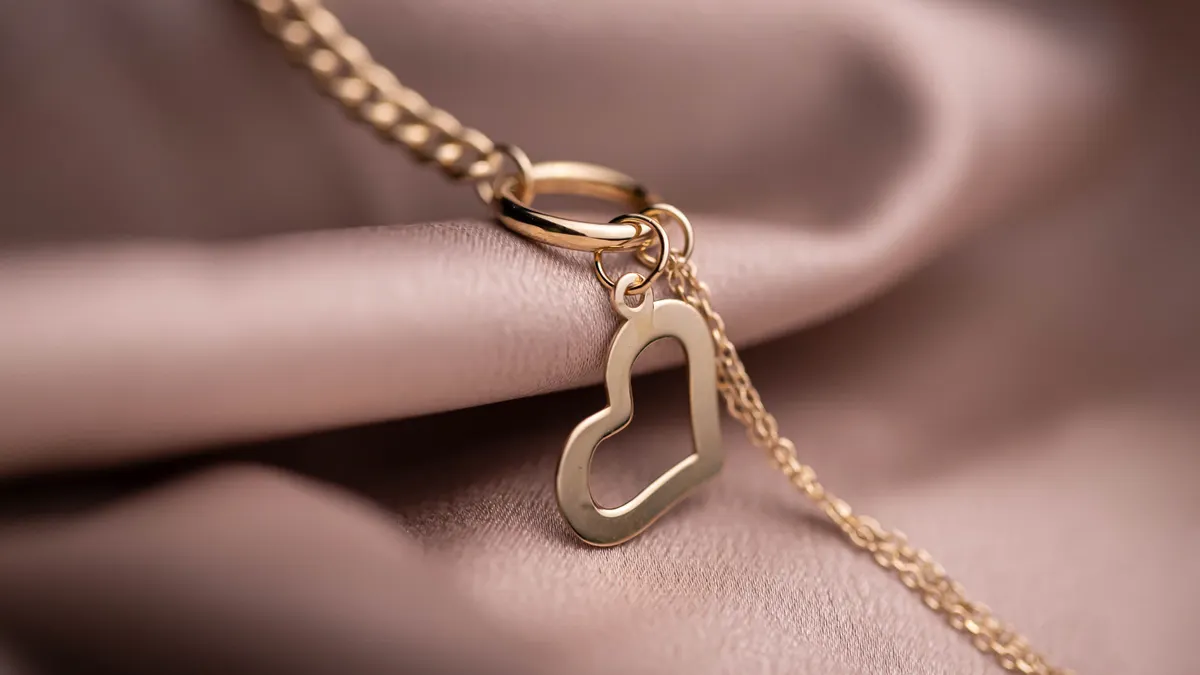
Cable chain is often the safest all-purpose choice. It works for many pendants because the links are simple, flexible, and easy to replace if one section is damaged. Box chain is often the cleanest option for modern pendants and small-to-medium charms, especially when you want a straight drape. Curb chain is the tougher-looking choice for pendants that need more visual weight. Rope chain gives the richest shine and handles a medium pendant well, but it is more fussy about snagging and twist. Snake chain looks sleek under a small, smooth pendant, but it is the least forgiving when the pendant is heavy or the bail is tight.
That is the practical hierarchy. If the pendant is delicate and decorative, cable or box usually works well. If the pendant is substantial, curb or rope is usually the better bet. Snake is for a specific look, not for every charm in a drawer.
A simple way to think about it: chain structure is not just style. It changes how force moves through the necklace. A chain with many small joints usually flexes more and tolerates everyday movement better. A chain with a smooth surface can look cleaner, but it may also make the pendant slide, flip, or sit oddly if the bail is narrow. For a general overview of pendant basics, the hub on what is a pendant necklace belongs alongside this page, not instead of it.
Cable chain: the default choice that rarely fights back
Cable chain is often the best starting point for many pendants because it is simple, durable, and easy to match with different pendant styles. It works well for the reader who wants one chain that will not argue with a small cross, a birthstone drop, a locket, or a geometric charm. The classic cable structure—uniform oval or round links—creates good flexibility without becoming visually louder than the pendant.
The real advantage is compatibility. A pendant bail usually slides onto cable chain more easily than onto chunkier structures, and the chain’s shape does not compete with the pendant’s outline. If you are buying a pendant from a brand that does not specify the ideal chain, cable is usually the least risky default.
The downside is visual. Cable can disappear on the neck, which is useful when you want the pendant to be the star, but underwhelming if you want the chain itself to feel substantial. Very thin cable also needs care with heavier pendants, because the chain can look undersized even before it fails mechanically.
Cable is not ideal for a pendant that is broad, heavy, or meant to sit as a statement piece. A large medallion on a very fine cable can look visually under-supported, even if the chain technically holds it. A better match is a modest pendant with a normal-sized bail and a desire for everyday wear.
Best fit: most single-stone pendants, small symbolic charms, and pieces where you want the pendant—not the chain—to lead.
Box chain: the clean option for modern pendants
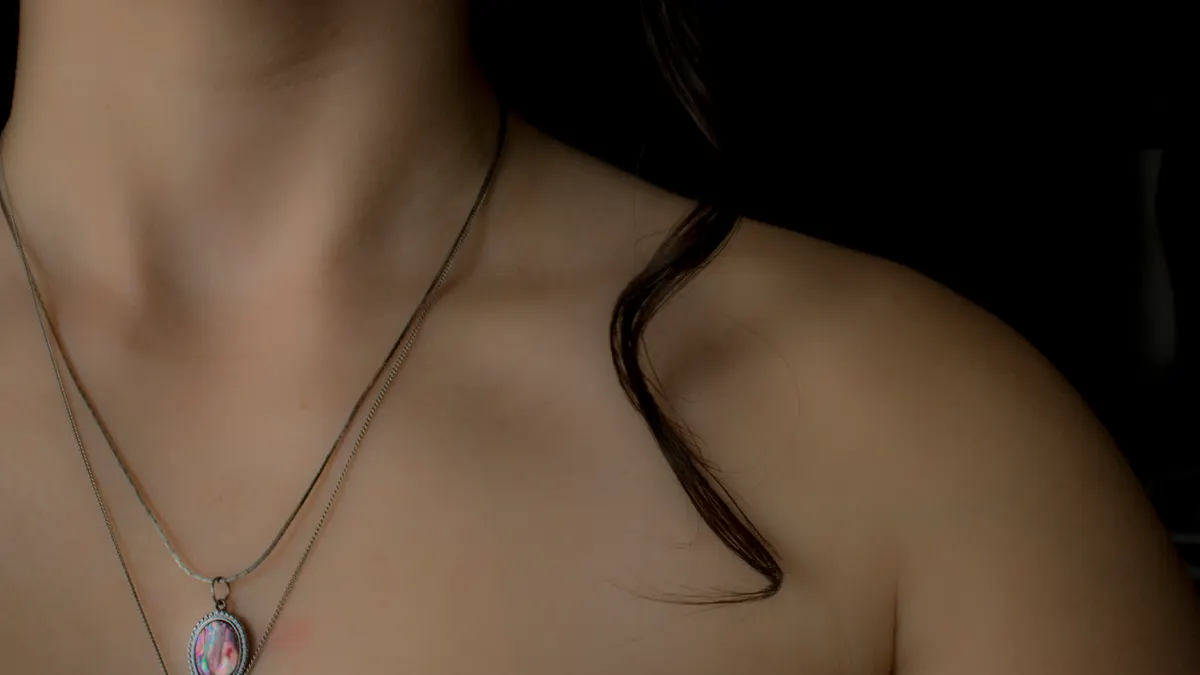
Box chain is often the right choice when the pendant has a contemporary shape or when you want the necklace to look crisp and squared-off. The linked “boxes” create a tidy line that suits minimalist pendants, coin-style pieces, and polished metal charms. It often hangs with a neat geometry that reads as intentional rather than decorative.
Box chain’s strength comes from its structure. The links distribute stress well and tend to keep their shape better than chains that rely on loose, rounded loops. That makes it a smart option for small-to-medium pendants that move a lot during the day. The chain usually sits flat enough to avoid looking tangled, which helps when the pendant already has a strong silhouette.
The weakness is that box chain is not especially soft-looking. If the pendant itself is ornate, vintage, or organic in shape, the chain can feel too squared and modern. It can also be less forgiving if a pendant bail has rough edges, because a square-profile chain and a sharp bail do not always meet gracefully.
Box chain is not the first pick for a very heavy pendant with a wide bail. It can hold its own structurally, but the visual match can feel too delicate or too rigid depending on thickness. If the pendant is large, box chain needs enough thickness to avoid looking like a thin wire under a weighty object.
Use box chain when you want a pendant to sit cleanly and look intentional, especially in a minimalist setting.
How do cable and box chains compare for pendants?
Cable and box chains are both strong everyday choices, but cable is the more forgiving all-rounder while box is the more polished shape for modern pendants. Cable usually wins when you want maximum flexibility, easy repairs, and broad compatibility. Box wins when the pendant has a neat, architectural look and you want the chain to hang in a straight, orderly line.
| Criteria | Cable chain | Box chain | Winner for this condition |
|---|---|---|---|
| Pendant compatibility | Works with most bails | Best with clean, regular bails | Cable for mixed pendants |
| Drape | Soft, flexible, relaxed | Straighter, more structured | Cable for casual wear |
| Visual style | Neutral and classic | Crisp and modern | Box for minimalist pendants |
| Durability | Good everyday durability | Good shape retention | Box for neatness; cable for simplicity |
| Ease of replacement | Common and easy to source | Common, but less universal | Cable |
| Risk of looking too delicate | Lower at similar thickness | Higher if very fine | Cable |
| Best with small pendant | Very good | Very good | Tie, depending on style |
| Best with geometric pendant | Good | Excellent | Box |
| Best with heavy pendant | Only if thick enough | Only if thick enough | Neither if very heavy |
For a buyer who wants one chain that can move between several pendants, cable wins. For a buyer who wants the chain to feel like part of the design rather than a hidden support, box wins.
Curb chain and rope chain: when the pendant needs more presence
Curb chain is the better choice when the pendant needs a stronger visual base. Rope chain is the better choice when the pendant needs sparkle and a richer surface. These two are not interchangeable, and that is where generic advice goes wrong: both can look “dressier” than cable, but they solve different problems.
Curb chain lies flatter and reads bolder. Its linked pattern creates a solid, classic line that supports medium pendants without making the necklace look fragile. It is a strong match for medallions, coin pendants, and pieces with a confident, traditional feel. If the pendant is a little heavier or the wearer wants the chain itself to be visible, curb usually beats cable.
The weakness of curb is stiffness of style. On a very delicate pendant, it can overpower the piece. It also does not have the same airy feel as cable, so a tiny charm can look swallowed by the chain if the chain is too thick.
Rope chain has a different strength: texture. The twisted construction catches light well and gives the necklace a finished, dressier surface. It can be a strong match for pendants that need presence without looking bulky. A medium pendant on rope often feels intentional and luxurious. But rope can snag more easily than simpler chains, and its textured surface can fight with an ornate pendant instead of supporting it.
Rope is not ideal for a very flat pendant or one with a narrow bail that tends to catch. If the pendant is highly detailed already, rope can make the whole necklace feel busy. Curb is simpler; rope is richer. The choice depends on whether the pendant needs authority or ornament.
Which chain works best with a small pendant?
Cable or box chain is usually best with a small pendant because both keep the pendant visible without crowding it. Small pendants need a chain that supports them, not one that steals attention. A fine-to-medium cable chain gives the most forgiving, everyday look. A box chain gives the cleanest finish if the pendant is modern or geometric.
A small pendant is where chain thickness matters most. If the chain is too thick, the pendant can seem lost even when the metal color matches perfectly. If the chain is too thin, the pendant can look as if it is hanging from thread. The sweet spot is enough thickness to show intention, not enough to compete with a charm that may only be a few millimeters wide.
Snake chain is the one I would treat with caution here. It can look sleek with a tiny polished pendant, but only when the pendant is smooth and the bail is generous. Its surface is unforgiving of rough edges, and a small pendant on a snake chain can slide too much for comfort. Rope is also less ideal for very small pendants because the texture can dominate the design.
If the pendant is dainty, plain, or sentimental, cable is the easiest win. If it is a tiny modern shape or a tiny polished disc, box can look sharper. The goal is proportion, not drama.
Snake chain: the polished choice with the strictest limits
Snake chain is the best choice only when the pendant is smooth, light, and meant to sit as a sleek focal point. It is not the most forgiving chain type, and that is the honest trade-off. The appeal is the continuous, fluid surface: it looks elegant and modern, and it can make a small polished pendant feel very refined.
The problem is that snake chain has little tolerance for awkward pendant hardware. It can kink more easily than a simple linked chain if bent sharply, and it does not love heavy pendants with narrow or rough bails. Once the pendant starts pulling unevenly, the chain’s smooth profile becomes a liability rather than a benefit.
Snake chain is also less adaptable to casual wear. A pendant that spins, slides, or catches on fabric can quickly make the necklace annoying. If the wearer wants a piece for near-daily movement, cable is the safer pick. If the pendant is more like a dress-up piece, snake can be excellent.
This chain type is wrong for chunky charms, weighty lockets, and anything with a bail that is not smooth inside. It is also the least forgiving if the wearer intends to add and remove pendants often. Think of it as a specialist, not a general-purpose chain.
The honest side-by-side for durability, drape, and thickness
For most pendant buyers, the decision comes down to three things: how much weight the chain needs to carry, how the chain hangs, and whether the chain should disappear or make a statement. Durability is not just about metal quality; it is also about shape, link size, and how the pendant pulls on the chain over time.
Cable chain gives the most balanced drape and the fewest surprises. Box chain gives the cleanest line and good resistance to shape distortion. Curb chain gives the most obvious “supportive” look. Rope chain adds texture and strength in the visual sense, though it asks for more care. Snake chain looks the sleekest, but it is the least forgiving when the pendant is heavy or the bail is rough.
| Criteria | Cable | Box | Curb | Rope | Snake | Winner for [condition] |
|---|---|---|---|---|---|---|
| Everyday durability | Strong | Strong | Strong | Strong but textured | Moderate | Cable for daily versatility |
| Drape | Soft | Straight | Medium | Fluid but patterned | Smooth and sleek | Snake for dressy minimal looks |
| Pendant compatibility | Broadest | Good | Good | Good for medium pendants | Narrowest | Cable |
| Visual presence | Low to medium | Low to medium | Medium to high | High | High sheen, low bulk | Rope for sparkle |
| Best with heavy pendant | Thick cable | Thick box | Thick curb | Thick rope | Poor fit | Curb |
| Best with tiny pendant | Fine cable | Fine box | Can overwhelm | Often too busy | Can work if smooth | Cable or box |
| Chain as design feature | Moderate | Moderate | Strong | Strong | Very strong | Rope or curb |
| Risk of snagging | Low | Low | Low to moderate | Higher | Moderate | Cable or box |
The main trap is buying by appearance alone. A chain can look excellent in a photo and still be the wrong tool for the pendant in hand. Chain thickness matters because it changes not just strength but proportion. A thin chain under a heavy pendant looks underbuilt; a thick chain under a tiny pendant looks clumsy.
The verdict: which one should you choose?
Choose cable chain if you want the safest all-purpose pendant chain and the pendant is light to medium in weight. Choose box chain if the pendant is small, modern, or geometric and you want a crisp, structured hang. Neither if the pendant is heavy enough to visibly strain a fine chain, or if the bail is so narrow that the chain will rub, snag, or sit crooked.
If you want one clear rule: cable is the best default, box is the best style-forward default, curb is the better support for bolder pendants, rope is the better choice when you want texture, and snake is the specialist for smooth, light pendants only.
When should you change your mind?
The recommendation changes in four situations. First, if the pendant has a very wide bail, the chain choice matters less than fit; a chain that passes cleanly through the bail may beat the “best” chain on paper. Second, if the pendant is unusually heavy for its size, move up to a thicker curb or cable rather than trying to force a delicate chain to do the job. Third, if the wearer wants a chain that is visible as part of the design, rope or curb can be better than the more discreet cable and box. Fourth, if the pendant is a polished, minimalist piece for evening wear, snake chain can outshine cable because its surface reads cleaner under low light.
The wrong move is trying to make one chain solve every problem.
Drafted with AI; not yet reviewed by a person.