Remember that time you spent hours staring at a jewelry display, overwhelmed by all the choices? You’re not alone! Picking the perfect necklaces pendants can feel like a quest, whether you’re shopping for yourself or searching for the ideal gift. This post aims to simplify the process. We’ll explore different styles, materials, and how to find the perfect pendant to suit your personality and style. You’ll gain valuable knowledge that will help you make informed decisions, transforming you from a jewelry novice to a confident shopper. Get ready to discover everything you need to know about necklaces pendants, so you can choose the ones that match your style.
Key Takeaways
- Learn about various types of necklaces pendants, from classic to contemporary styles.
- Discover a wide range of materials used in necklaces pendants.
- Understand the factors to consider when choosing the right pendant.
- Get tips on caring for and maintaining your necklaces pendants.
- Find out how to match your pendant to different outfits.
- Explore the history and cultural significance of necklaces pendants.
Unveiling Different Styles of Necklaces Pendants
The world of necklaces pendants offers a stunning array of styles, each with its unique character. Choosing the right style often comes down to personal preference, the occasion, and the overall look you want to achieve. From delicate and understated designs to bold statement pieces, there is a pendant for everyone. Exploring these different styles will help you narrow down your choices and select pendants that complement your individual taste. Remember that the design of your pendant can significantly influence your overall look.
Classic Pendant Styles
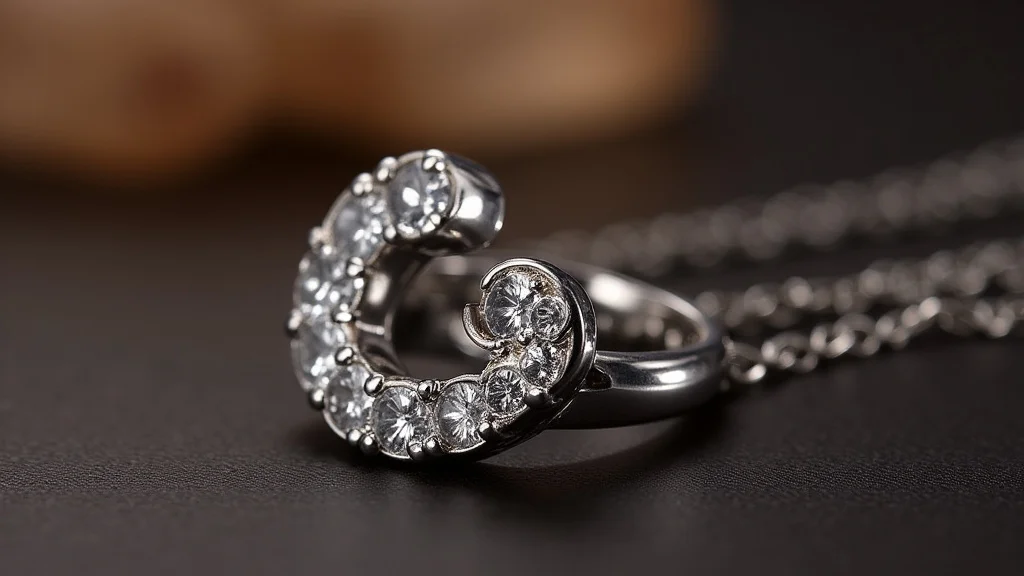
Classic pendants are timeless and versatile, suitable for everyday wear or special occasions. These styles are often elegant and understated, designed to complement any outfit. They tend to have simple designs, featuring single gemstones, pearls, or small charms. They are made from precious metals like gold, silver, and platinum. Their enduring appeal means you can wear these necklaces for many years. These are the foundation of any jewelry collection.
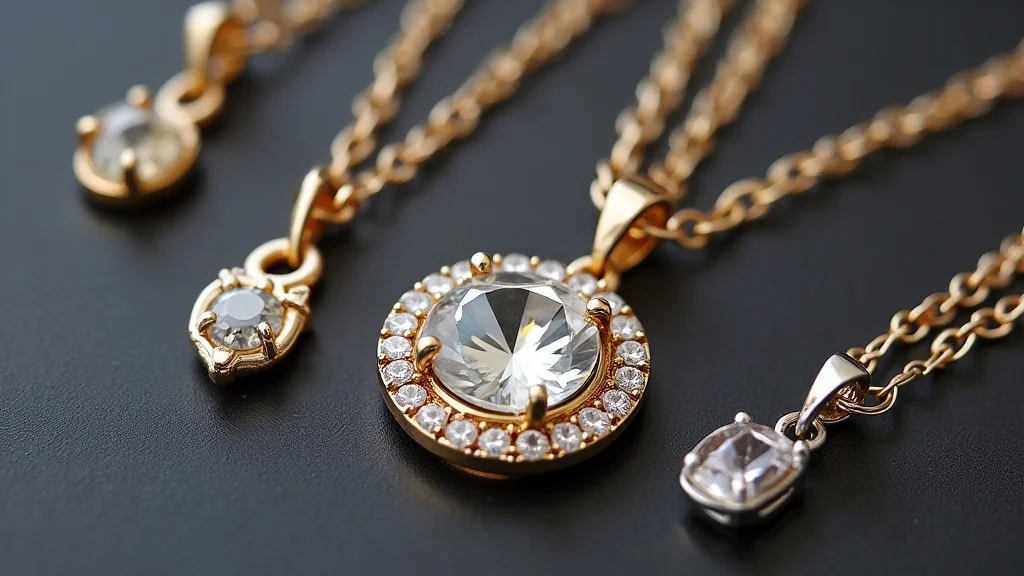
- Solitaire Pendants: These pendants feature a single gemstone, often a diamond or a gemstone, held in a setting. The focus is entirely on the stone, allowing its brilliance to shine. The simplicity makes it a versatile choice. A diamond solitaire is a classic choice for many.
- Pearl Pendants: Pearl pendants are known for their elegance. A single pearl or a strand of pearls can instantly add a touch of sophistication to any look. They come in various sizes and colors, from classic white to more exotic hues like black or gold. Pearls pair well with both formal and casual attire.
- Heart Pendants: A heart pendant is a classic symbol of love and affection. These pendants can be simple or embellished with gemstones or intricate designs. They are popular gifts and can be worn by people of all ages. Heart pendants are perfect for expressing emotions.
- Initial Pendants: Featuring the wearer’s initial, these are a personal and sentimental choice. They can be made from various materials and can be customized with different fonts and designs. Initial pendants are an excellent way to add a personal touch.
Modern Pendant Styles
Modern pendants push the boundaries of design, embracing bold shapes, unique materials, and innovative techniques. They reflect current fashion trends and can make a statement. They can incorporate geometric shapes, abstract designs, or unusual materials like resin, enamel, or even repurposed materials. These pendants are ideal for those who want to express their individual style and make a bold statement. Modern pendants can showcase creativity and innovation in jewelry design.
- Geometric Pendants: These pendants feature clean lines and geometric shapes, such as triangles, squares, and circles. They can be made from metal or combined with other materials. The clean design of geometric pendants makes them a good choice for those who love minimalism.
- Layered Pendants: Layered pendants combine multiple pendants on one chain or different chains. This style allows you to create a customized look, showcasing several charms or pendants at once. You can mix and match styles, materials, and lengths.
- Abstract Pendants: Abstract pendants showcase artistic and unconventional designs, often reflecting creativity and innovation. These pendants don’t adhere to traditional shapes, allowing designers to express their imagination. Abstract pendants are a unique way to make a statement.
- Charm Pendants: Charm pendants involve the addition of various small charms to a chain, each representing different meanings or memories. These charms can tell a story about the wearer, making them a sentimental choice. Charm pendants allow for personal customization.
Exploring Materials for Necklaces Pendants
The material of a necklaces pendant significantly influences its appearance, durability, and cost. Each material has unique characteristics, from the shine of gold to the elegance of pearls. Understanding the properties of different materials helps you choose a pendant that fits your needs and style. The materials chosen can drastically alter the final look and feel of the necklace.
Precious Metals
Precious metals are highly valued for their beauty, durability, and rarity. These are ideal choices for pendants. They provide a long-lasting and luxurious look. Gold, silver, and platinum are the most popular precious metals used in necklaces pendants. Their resistance to corrosion ensures that your pendant will maintain its luster for years to come. These metals are often used for formal events or everyday wear.
- Gold: Gold is a classic choice, known for its warm color and luster. It comes in different karats (e.g., 14k, 18k, 24k), indicating the gold content. Gold pendants are available in yellow, white, and rose gold.
- Silver: Silver is a more affordable option, with a bright, reflective finish. Sterling silver, which contains 92.5% silver and 7.5% other metals, is commonly used. Silver pendants can tarnish, but they are easy to clean.
- Platinum: Platinum is a rare, strong, and highly durable metal, known for its silvery-white color. It is more expensive than gold or silver. Platinum is hypoallergenic and does not tarnish.
Gemstones and Other Materials
Besides precious metals, various other materials are used to create necklaces pendants. These add color, texture, and individuality to the jewelry. Different gemstones offer unique colors, brilliance, and symbolic meanings. Other materials like crystals and glass can provide a unique aesthetic.
- Diamonds: Diamonds are a classic choice for pendants, known for their brilliance and durability. They come in various shapes and sizes, from simple round cuts to intricate fancy cuts.
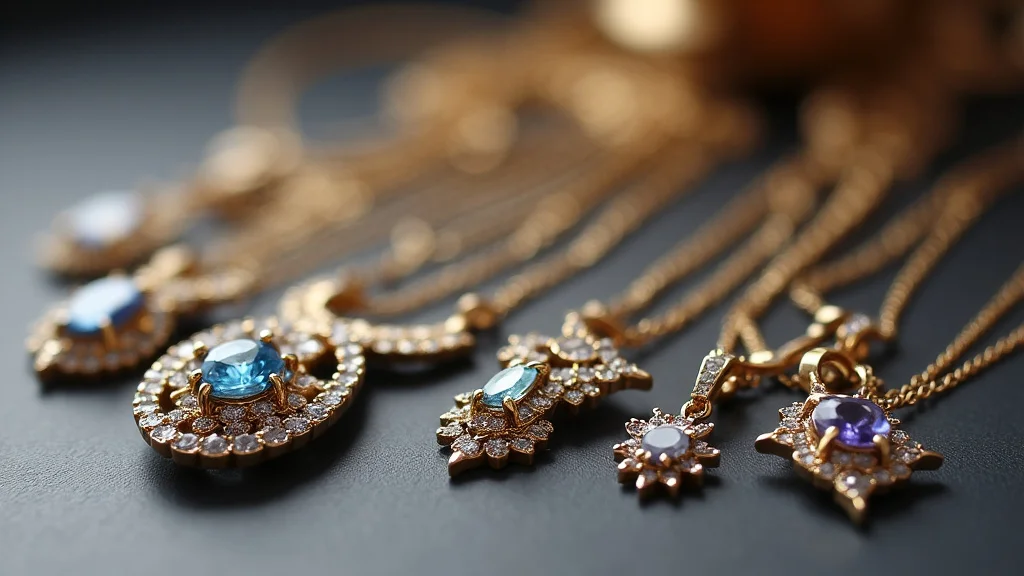
- Colored Gemstones: Sapphires, emeralds, rubies, and other colored gemstones add a vibrant pop of color to a pendant. These gemstones offer a range of colors and levels of brilliance. The choice of gemstone depends on personal preference.
- Pearls: Pearls bring elegance and sophistication to pendants. They come in various shapes, sizes, and colors. Freshwater pearls, Akoya pearls, and South Sea pearls are popular choices.
- Crystals and Glass: Crystals and glass offer a range of colors and designs. They can be more affordable and add a unique element.
- Leather and Other Materials: Some pendants use materials like leather, wood, or resin for a more natural or modern look. These pendants can showcase unique textures.
Choosing the Perfect Necklace Pendant
Choosing the perfect necklaces pendant involves several factors to help you find a piece that truly suits you. This selection process includes considering your personal style, the occasion, and the overall look you want to achieve. Taking the time to consider these aspects ensures you pick a pendant you’ll love. The right pendant will complement your personality and your wardrobe.
Considering Your Personal Style
Your personal style influences every aspect of your wardrobe, including your jewelry choices. Whether you lean towards classic elegance, modern minimalism, or bohemian flair, your pendant should reflect your unique style. The perfect pendant feels like an extension of your personality. Choosing the right style of pendant ensures it matches your style.
- Classic: If you prefer timeless elegance, consider a solitaire diamond or pearl pendant. Simple, understated designs that are made from precious metals are perfect for the classic style.
- Bohemian: Embrace organic shapes, natural materials, and layered necklaces. Charm pendants, stone pendants, or necklaces with fringe or tassels might be perfect for you.
- Minimalist: Go for sleek, geometric designs and clean lines. Gold or silver pendants with simple shapes are ideal.
- Trendy: Stay current with the latest fashion trends. Choose pendants that incorporate bold shapes, unique materials, or statement designs.
Matching the Occasion
Consider the event or situation when choosing a necklace pendant. The style and design of your pendant should be appropriate for the occasion. This applies to both formal and casual settings. Having a variety of pendants to choose from ensures you always have the right piece. Choosing the correct pendant adds to your confidence.
- Formal Events: Choose elegant pendants with precious stones or precious metals. Consider a diamond pendant or a pearl pendant.
- Casual Wear: Opt for simple and versatile pendants that are easy to pair with everyday outfits. Initial pendants or charm pendants are excellent choices.
- Workplace: Select professional and understated designs. A classic pendant or a pendant with subtle details is appropriate.
- Special Occasions: A bold statement pendant with gemstones or unique designs can be worn for special events.
Understanding Length and Chain Options
The length of the chain and the type of chain you choose can significantly alter the look of your pendant. Different chain lengths can affect how a pendant sits against your body and the outfit you wear. Knowing about the different options available makes sure the necklace looks great. The correct chain will complement the pendant.
- Chain Lengths: Consider different chain lengths, such as collar (12-14 inches), choker (14-16 inches), princess (17-19 inches), matinee (20-24 inches), and opera (28-36 inches). The chain length you choose will depend on your neckline and the look you want to achieve.
- Chain Types: Choose from various chain types, including cable, curb, snake, and box chains. Each chain type has a different appearance and level of durability.
- Chain Material: Ensure the chain material complements the pendant material. The chain may be the same material as the pendant or a complementary metal.
- Adjustable Chains: Many chains have adjustable lengths, allowing you to change the necklace position.
Caring for and Maintaining Your Necklaces Pendants
Proper care and maintenance of your necklaces pendants are essential to preserve their beauty and longevity. Regular cleaning and safe storage practices ensure that your pendants remain in excellent condition. Simple habits can prevent damage and keep your jewelry looking its best for years. When cared for correctly, pendants can last a lifetime.
Cleaning Your Pendants
Regular cleaning removes dirt, oil, and buildup. It keeps your pendants looking shiny. The cleaning method depends on the materials and any gemstones. Following appropriate cleaning processes will not damage the pendant. Proper cleaning helps preserve the beauty and shine of your pendants.
- Gold and Silver Pendants: Clean these pendants with mild soap and warm water. Use a soft brush to remove dirt. Dry thoroughly with a soft cloth.
- Gemstone Pendants: Clean gemstone pendants with mild soap and warm water. Avoid harsh chemicals that can damage gemstones.
- Pearl Pendants: Use a soft, damp cloth to wipe pearls. Avoid abrasive cleaners and jewelry cleaners.
- Diamond Pendants: Diamonds can be cleaned with mild soap and warm water. Ultrasonic cleaners can be used for tough dirt.
Storing Your Pendants
Proper storage prevents scratches, tangling, and tarnishing. Store each pendant separately, especially if made from different materials. Taking these steps maintains the beauty of the pendants. Doing this makes sure that the necklaces are ready to wear.
- Individual Compartments: Store pendants in separate compartments or jewelry boxes.
- Soft Pouches: Use soft pouches or fabric to protect pendants. This prevents scratching.
- Avoid Sunlight and Heat: Keep pendants away from direct sunlight and extreme temperatures.
- Organized Storage: Maintain an organized jewelry storage system.
Matching Necklaces Pendants with Outfits
Pairing your necklaces pendants with your outfits can elevate your look and enhance your style. The pendant you choose can complement your clothing, completing the overall aesthetic. Matching a pendant with clothing is an art that can be mastered with a little practice. The correct pendant completes an outfit.
Matching Necklines
The neckline of your outfit plays a key role in how your pendant appears. Different necklines need different pendants. Learning how to match your necklace to your outfits will enhance your style. The correct match improves the look of the outfit.
- V-Neck: A pendant that follows the V-shape of the neckline or sits just above it works well.
- Crew Neck: A pendant that falls at or just below the collarbone complements a crew neck.
- High Neck: Avoid necklaces that compete with the neckline. Try long pendants or layered necklaces.
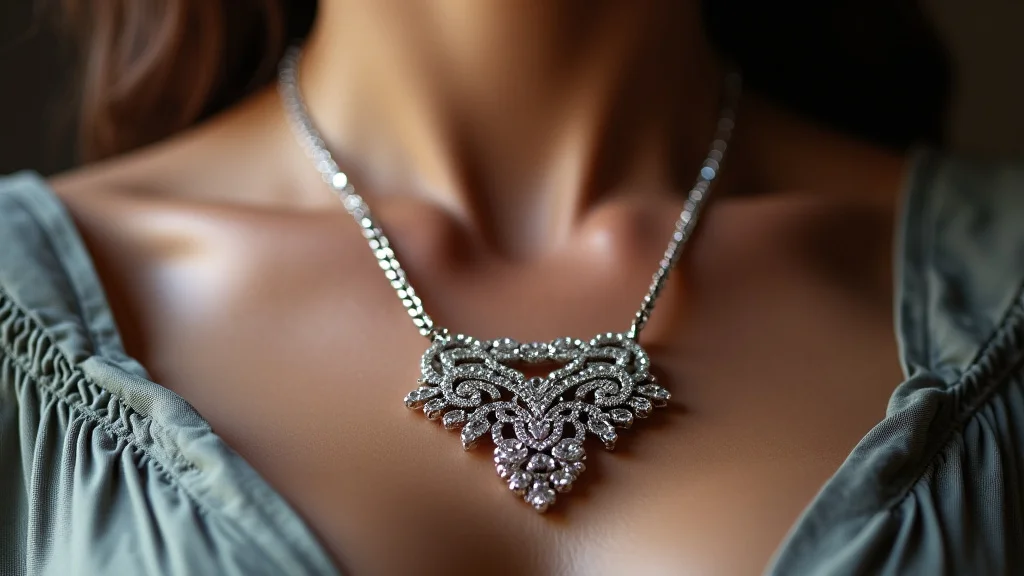
- Off-the-Shoulder: Pendants that draw attention to the décolletage are great.
Color Coordination
Color coordination is a simple way to create a polished and harmonious look. Choosing the correct color combinations makes your jewelry stand out. The right color pairing will improve your look. The correct color choice can really improve your outfit.
- Complementary Colors: Use contrasting colors for a striking effect. Match a blue pendant with an orange top.
- Monochromatic Looks: Wear pendants in shades of the same color as your outfit for a subtle effect.
- Neutral Colors: Pair any pendant with neutral-colored outfits (black, white, gray, beige).
- Color Accents: Match the pendant to a color accent in your outfit.
History and Cultural Significance of Necklaces Pendants
Necklaces pendants have a rich history. They have been used for centuries for many reasons. Throughout history, pendants have played crucial roles in various cultures, serving as symbols of status, spirituality, and personal expression. They have evolved over time with culture. The meaning has changed over time.
Ancient Origins
The use of necklaces and pendants dates back to ancient civilizations. These pieces of jewelry have been found in archaeological sites worldwide. These items were often made of natural materials. The materials used and the designs had symbolic meanings.
- Ancient Egypt: Egyptians used necklaces to show social status. They also used them in religious ceremonies. The pendants were made of gold, gemstones, and amulets with symbolic meanings.
- Ancient Greece: Greeks used jewelry for beauty. They also used it to express identity. The pendants were decorated with intricate designs and precious stones.
- Ancient Rome: Romans used jewelry as a symbol of wealth and power. Pendants featured cameos, portraits, and engraved designs.
- Early Civilizations: Many early cultures used pendants made from shells, bones, and stones.
Cultural and Symbolic Meanings
Pendants have carried symbolic significance in various cultures. Pendants have served as markers of identity, religious symbols, and expressions of beliefs. These meanings and the symbolism have shaped their design. Pendants communicate meaningful messages.
- Religious Symbols: Crosses, Stars of David, and other religious symbols are commonly used in pendants. They represent faith and belief.
- Amulets and Talismans: Pendants have been used as amulets. These are believed to provide protection and good luck. The designs often include protective symbols.
- Symbols of Love and Friendship: Heart pendants and charm pendants are often given as gifts. These pendants represent relationships and feelings.
- Status and Wealth: Pendants made of precious metals and gemstones have signified status and wealth. They showcase the wearer’s social position.
Common Myths Debunked
Frequently Asked Questions
Question: Can I wear any type of necklace pendant every day?
Answer: Yes, you can. Choose pendants made from durable materials. Consider a simple pendant that complements your daily outfits.
Question: How do I measure my neck size for a necklace?
Answer: Use a flexible measuring tape. Wrap it around your neck where you’d like the necklace to sit. Add a few inches to the length for comfort.
Question: What’s the difference between a pendant and a necklace?
Answer: A pendant is the decorative element, and a necklace is the chain that holds the pendant.
Question: How can I tell if a gemstone is real?
Answer: It’s best to have a jeweler assess the stone. Look for inclusions and imperfections, but not all stones have them. Also check for a certificate.
Question: Can I clean my necklaces pendants at home?
Answer: Yes. Clean gold and silver with mild soap and water. Clean gemstones gently. Always follow cleaning instructions to maintain the shine.
Final Thoughts
Choosing the perfect necklaces pendants is a personal journey, made easier with knowledge and confidence. You now know about different styles, the materials they’re made of, and the key factors to consider when choosing the right pendant. You understand how to care for them and match them with your outfits. As you shop for necklaces pendants, take the time to explore a wide range of styles and materials. Remember that the right pendant can elevate any look and be a powerful form of self-expression. Embrace your style and find the pendants that help you feel confident. Enjoy the process of finding the pieces that tell your story!