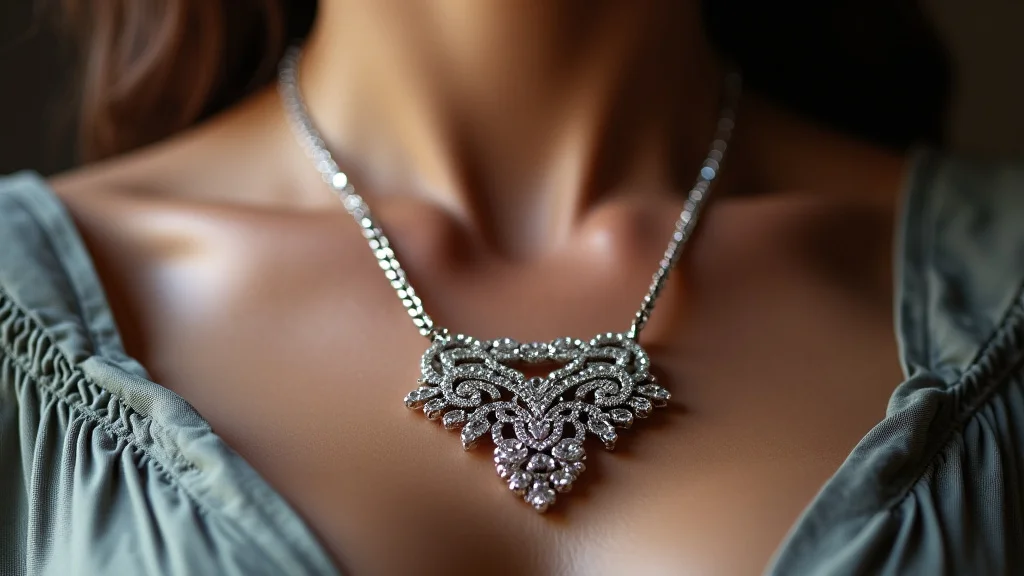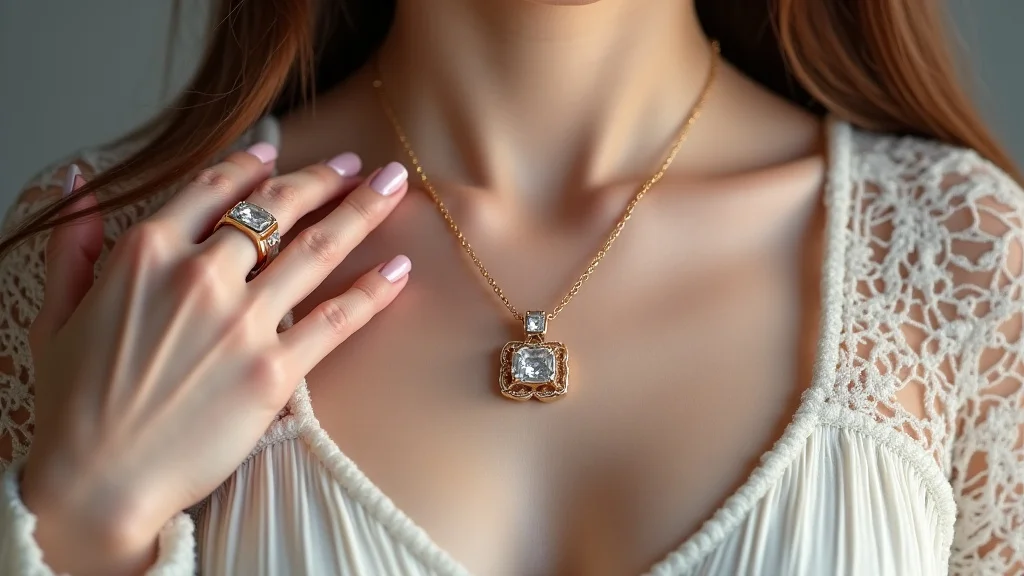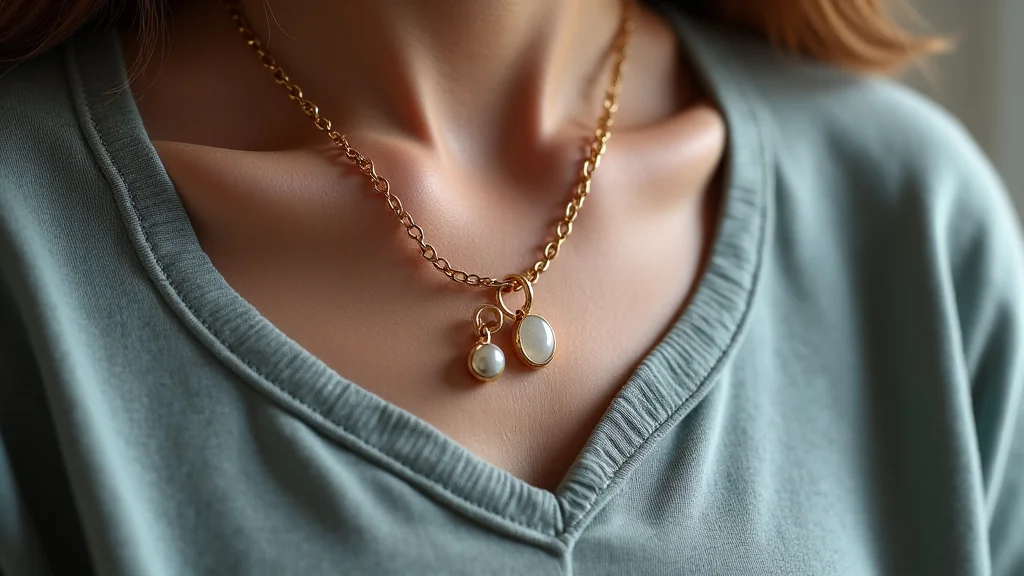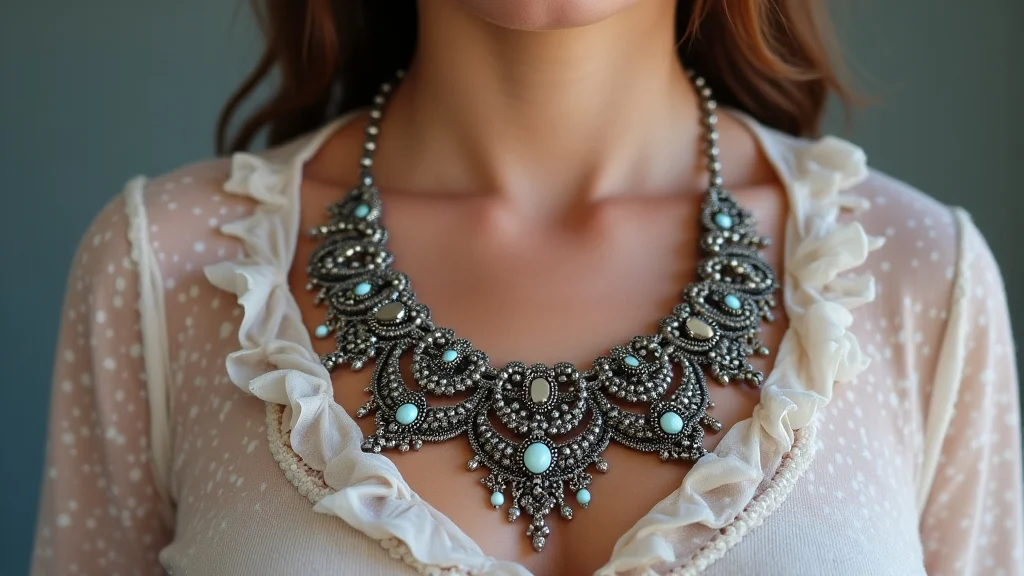
Remember that time you found that gorgeous pendant at the craft fair, but you had no idea what to do with it? Many of us have that experience! Maybe you’ve got a drawer full of beautiful pendants, dreaming of becoming a unique piece of jewelry. This post will transform your pendant dreams into reality, giving you fresh beading necklaces ideas with pendants. Get ready to learn different techniques, explore material combinations, and find the perfect inspiration to craft your own beautiful necklace. You’ll gain practical skills and imaginative inspiration to create stunning necklaces, improving your creative skills and encouraging your passion for jewelry making.
Key Takeaways
- Discover a variety of beading necklaces ideas with pendants for any skill level.
- Learn about different beading techniques to create unique necklace designs.
- Explore various materials and their combinations for stunning visual effects.
- Find inspiration for personalizing your necklace projects.
- Understand the use of different clasps and findings to complete your necklace.
- Gain a deeper appreciation for the art of handmade jewelry.
Crafting Unique Necklaces With Pendants
The beauty of a pendant lies in its ability to tell a story. Choosing the right beads and techniques can enhance that narrative, bringing out the pendant’s inherent beauty. The possibilities are truly endless, from simple stringing to complex beadweaving. Whether you’re a beginner or an experienced jewelry maker, there are countless ways to make beautiful necklaces with pendants. Let’s explore several beading necklaces ideas with pendants and techniques that will inspire your next project. It is important to focus on the balance between your chosen pendant and the beads, wire, or cord that make up the necklace.
Simple Stringing Techniques
Simple stringing is a fantastic starting point for beginners, and it’s also a fast way to make elegant necklaces. This method involves threading beads onto a stringing material, such as beading wire, silk cord, or nylon thread, and finishing the ends with clasps. You can use a variety of beads to complement your pendant, including seed beads, gemstone beads, or even larger statement beads. Choose materials that either match or contrast with the pendant to create visual interest. For instance, a silver pendant may be paired with black onyx beads for a dramatic look, or with light-colored pearls for a classic touch. These necklaces are quick to create but can also become stunning pieces of jewelry.
-
Materials: You’ll need beading wire (or another stringing material), crimp beads, crimp tubes, a crimping tool, beads, and a clasp.
Stringing material choices include beading wire, which is a flexible, multi-strand wire coated in nylon. Silk cord is a classic option with a luxurious feel. Nylon thread is a durable choice for smaller beads. The choice depends on the size of the beads, the pendant’s weight, and the desired look.
-
Bead Selection: Consider the color, size, and shape of the beads you’ll use.
Seed beads add a subtle shimmer. Gemstone beads bring in natural colors and textures. Larger beads, like glass or crystal, can create a statement piece. Always make sure the bead size is appropriate to the pendant and stringing material.
-
Clasp Choices: Selecting the correct clasp is essential for a polished finish.
Lobster clasps are easy to use and secure. Magnetic clasps are simple to fasten but can detach with a strong pull. Toggle clasps add an elegant touch but can be more challenging for beginners. Consider the pendant’s style when selecting a clasp; a simple clasp is best for an elaborate pendant.
-
Crimping: Crimping is a key step to secure the beads and clasp.
Crimping involves using a crimping tool to compress a crimp bead or tube onto the beading wire. Position the crimp bead next to the clasp and the last bead, and crimp it carefully. This prevents the beads from sliding off and makes a secure closure.
Wire Wrapping for Pendants
Wire wrapping is another technique to enhance pendants. It involves using wire to create loops, coils, and frames around the pendant, either to hang it on a chain or incorporate it into a beaded design. Wire wrapping can also be a standalone technique, with the wire itself becoming a decorative element. This technique gives you full control over the necklace design. You can form unique patterns and shapes to highlight the pendant’s character. This method requires some skill, but the result is a custom-made piece of art.
-
Wire Types: Selecting the best type of wire is critical for durability and aesthetics.
Choose craft wire, such as copper, silver, or gold-filled wire. Different wire gauges (thicknesses) have different uses. Thinner gauges (20-24 gauge) work for intricate wrapping, while thicker gauges (18-20 gauge) are best for structural support. Consider the pendant’s size and weight and the overall style when making your selection.
-
Basic Wire Wrap Techniques: Knowing the essential techniques is very important for making wire-wrapped jewelry.
Learning basic techniques such as the wrapped loop, the simple loop, and the bail (a loop to attach the pendant to the chain) is helpful. Practice these skills to create secure and beautiful jewelry. A simple wrap includes bending the wire around the pendant, creating loops for chains.
-
Tools for Wire Wrapping: Getting the right tools helps make the process simple and the results professional.
Tools include round-nose pliers (for making loops), chain-nose pliers (for holding and bending wire), and flush cutters (for cleanly cutting the wire). It’s also important to use a nylon jaw plier to avoid making marks on the wire. These tools are all designed to help you shape and finish the wire correctly.
-
Design Considerations: Before starting to wire wrap, think about your design.
Determine where the wire will go around the pendant and how to attach it to the chain or beads. Consider the overall look you’re trying to achieve; a simple wrap will complement a detailed pendant, while an intricate wrap can become the centerpiece itself. The goal is to make the pendant stand out, not take away from its natural beauty.
Beadweaving Around a Pendant
Beadweaving involves using a needle and thread to create a woven structure that incorporates the pendant. This is a more advanced technique, but it opens the door to creating intricate designs. You can build a bezel around your pendant, encasing it in beads to form a dramatic border. Beadweaving is a versatile method that allows you to integrate the pendant seamlessly into the necklace design, creating a fluid transition. This technique gives a unique touch to your beading necklaces ideas with pendants.
-
Stitch Choices: Different beadweaving stitches create different designs.
Popular beadweaving stitches include the peyote stitch, which creates a flat, even surface, and the right-angle weave, a sturdy stitch for creating textured patterns. The choice of stitch depends on the project’s goal. Experiment to find your personal style. Each stitch offers a unique texture and design possibility.
-
Thread and Needle Selection: Choose the correct materials for beadweaving.
Use strong beading thread, like Nymo or C-Lon, to provide durability. Select a needle specifically designed for bead weaving; these needles are thin and flexible and will fit through small bead holes multiple times. Having the right thread and needle is essential for a beautiful piece.
-
Bead Selection for Beadweaving: Selecting beads carefully is the key to creating a cohesive design.
Seed beads (size 11/0 or 8/0) are popular for beadweaving because of their uniform size. Consider the pendant’s size and shape. You can use beads that match or contrast with the pendant to add visual appeal. The right selection helps create a balanced look.
-
Beading Patterns and Designs: Using patterns or design inspiration can simplify the process.
Search online for free patterns or books with beadweaving techniques. These can serve as guidance for your project and help you learn new stitches. Designing your own patterns allows you to create necklaces that fit your design preferences. This allows for creativity and a high level of personalization.
Materials and Combinations to Consider
The materials you use have a huge effect on the look and feel of your necklace. Combining diverse materials gives you a chance to create stunning pieces. Experimenting with textures, colors, and finishes can lead to unique designs. Think about contrasting matte and shiny surfaces, or combining natural and synthetic materials. Here’s how to explore and blend different elements for your beading necklaces ideas with pendants.
Beads and Bead Types
The beads you choose should work well with the pendant. The type of beads you select can make or break a design. Using diverse beads provides different textures and visual effects. The selection should consider the overall aesthetic and the pendant’s design. There are many options, from small seed beads to large statement beads, each offering unique design possibilities.
-
Seed Beads: Seed beads are versatile and ideal for intricate designs.
Seed beads come in a variety of sizes (the smaller the number, the larger the bead) and colors. They can be used for simple stringing or complex beadweaving. Seed beads add a subtle shine and can be combined with other bead types. Consider the size and shape for the best design.
-
Gemstone Beads: Gemstone beads add natural beauty and color.
Gemstones like amethyst, turquoise, and quartz bring unique color variations and patterns. They add an organic element to your necklaces. The selection can be determined by the pendant’s design and the look you want to achieve. Choose stones that complement the pendant’s colors.
-
Glass Beads: Glass beads offer a vast array of colors, shapes, and textures.
Glass beads, such as Czech glass and Swarovski crystals, can add sparkle and sophistication. They are available in various forms, including rounds, drops, and faceted beads. Consider the finish (matte, shiny, or iridescent) to complement your pendant.
-
Metal Beads: Metal beads add weight and structure to your design.
Metal beads can be made from various materials, including stainless steel, brass, and precious metals. They add a touch of elegance and can be used as spacers or focal points. Select metal beads that complement your pendant’s existing metal finish. Metal beads are great options to complement the look of your beading necklaces ideas with pendants.
Cord and Chain Options
The cord or chain supports the pendant and beads, so choosing the right material is important. The style, color, and texture affect the overall design of your necklace. A cord can create a casual, bohemian look, while a chain offers a more elegant and versatile feel. This section will guide you through choosing the best cords and chains to highlight your pendants.
-
Silk Cord: Silk cord provides a luxurious and elegant feel.
Silk cord is a classic option for stringing beads, offering a soft texture. It’s available in various colors and thicknesses. Consider the weight of your beads and pendant when selecting silk cord. Always use silk cord with a clasp for a finished appearance.
-
Leather Cord: Leather cord adds a rustic and casual style to your necklace.
Leather cord is a good choice for pendants that have a natural, bohemian look. It can be paired with wooden beads or metal charms. Leather cord comes in different colors and thicknesses. Consider the leather’s quality and texture to ensure it complements your pendant.
-
Chain Options: Chains are a versatile option for pendants.
Chains come in various styles, including cable, curb, and snake chains. Select a chain that matches the design of your pendant and beads. Consider the metal’s color and finish (gold, silver, or other metals) to fit the overall design. Different chain styles have different strengths and wear resistance.
-
Other Materials: Explore other stringing materials.
Consider using hemp cord for a natural, earthy look. Use nylon cord for its durability and sheen. The choice depends on the beads used, the pendant, and your preferred style. Experiment with different options to discover what works best. Always check for quality and durability.
Combining Materials
Combining materials is a great way to add interest and originality. Combining different elements creates unique textures, colors, and visual effects. It is a fantastic way to develop your personal design style. For those seeking new beading necklaces ideas with pendants, experimentation is key. This approach lets you personalize your necklace by bringing different ideas to life.
-
Mixing Beads and Metals: Blending different materials can transform a design.
Pairing gemstone beads with metal beads can add contrast and depth. You can use metal beads as spacers or accents. Select complementary metal finishes (gold, silver, or copper) to enhance the look of your design.
-
Using Different Textures: Using various textures adds visual interest.
Combine smooth glass beads with rough stone beads. Contrast matte and shiny finishes. Experiment with adding textured beads, such as those with ridges or patterns. This contrast draws attention and adds a luxurious feel.
-
Color Coordination: Color choices greatly impact the final appearance.
Use color theory to create harmonious or contrasting color combinations. Consider the pendant’s color and select beads that complement it. Use analogous colors (colors next to each other on the color wheel) for a smooth look. Or you can use contrasting colors for a bold look.
-
Experimenting With Different Materials: Try combining materials you would not normally consider.
Try mixing beads with leather cord or chain. Consider combining metal findings with fabric ribbon. Using different materials brings depth to the necklace and gives you the opportunity to discover new designs.
Design Inspiration and Personalization
Finding design inspiration is a crucial step in the creative process. Look for inspiration from the world around you, whether it’s nature, art, or even fashion trends. Personalizing your jewelry makes it more special and reflects your individual style. Exploring different sources of inspiration helps expand your creative thinking. Here are a few ways to get inspired and personalize your beading necklaces ideas with pendants.
Sources of Inspiration
Finding sources of inspiration is key to crafting unique necklaces. Many external sources can inspire your designs and help you create stunning jewelry. Exploring different avenues will boost creativity and help you develop your design style. Here are some great sources for getting ideas.
-
Nature: Observe natural forms and patterns to gather fresh ideas.
Look at the colors, textures, and shapes found in nature, like flowers, leaves, or seashells. Use earthy tones and organic shapes in your designs. Nature offers an infinite source of creative inspiration. Think about using natural elements, like dried flowers or small twigs, in your necklace designs.
-
Art and Design: Use art and design as a source of influence.
Study various art movements, such as Art Nouveau or Art Deco. Look at the use of color, shape, and composition in paintings, sculptures, and other art forms. Art can inform your choice of beads, wire wrapping styles, and color combinations. Studying others’ work can also inspire new techniques.
-
Fashion Trends: Look at fashion trends for modern inspiration.
Check out the latest jewelry designs and color palettes. Consider current fashion and integrate trending elements into your necklaces. Keep an eye on magazines and online platforms to find new ideas. Learn about new techniques and materials that can be incorporated into your designs.
-
Other Jewelry: Study other jewelry for design inspiration.
Check out jewelry from different eras and cultures. Analyze the techniques, materials, and styles used in the pieces. Look at how pendants are integrated into necklaces. Learn how others use their materials and then apply your own ideas.
Personalizing Your Designs
Adding your own touch makes your necklace unique. Personalizing your creations is what makes them special. Whether it’s choosing your favorite colors or adding charms that have meaning, personalization lets you express yourself. This can be your style’s defining mark, turning each piece into a reflection of your personality.
-
Adding Charms and Embellishments: Charms and embellishments add personality to the design.
Include charms that are meaningful, such as initials, dates, or symbols. Incorporate decorative embellishments, such as tassels or dangles. These additions can transform a simple necklace into a personalized statement piece. Think about using vintage charms for an old-world design.
-
Using Favorite Colors and Styles: Use your preferred colors and styles to make the necklace fit you.
Choose colors that match your wardrobe or reflect your personality. Design the necklace style that you love the most, whether it’s minimalist, bohemian, or dramatic. Personalizing your designs ensures the finished product aligns with your tastes. Think of a pendant that matches your favorite outfit.
-
Incorporating Meaningful Elements: Incorporate meaningful elements.
Incorporate gemstones representing birthstones or special occasions. Include pendants with personal significance, like family heirlooms. Incorporate elements that tell a story. This turns a simple necklace into a treasured keepsake.
-
Customizing for Special Occasions: Design necklaces for special occasions.
Craft necklaces for weddings, anniversaries, or other celebrations. Tailor the necklace’s design to the event’s theme or the recipient’s interests. A custom piece of jewelry shows care and thoughtfulness.
Choosing Clasps, Chains, and Other Findings
Selecting the correct clasps, chains, and other findings is key for a well-made necklace. These elements add to your piece’s overall appeal. Considering the functionality and aesthetics is important for a completed design. Here is how to select and use various findings, ensuring your beading necklaces ideas with pendants become beautiful, functional, and durable.
Types of Clasps
The clasp not only secures the necklace, it also helps with the look of the design. The clasp should be chosen to meet the overall aesthetic. There is a range of choices available. Some are suitable for various skill levels.
-
Lobster Clasps: Lobster clasps are popular due to their security and ease of use.
Lobster clasps attach easily to a jump ring or end. Choose lobster clasps that match the metal and weight of the beads. They are suitable for many styles of necklaces. Make sure the clasp’s size is proportional to the necklace.
-
Spring Ring Clasps: Spring ring clasps offer a simple and classic design.
Spring ring clasps are easy to open and close. They are a good option for lightweight necklaces. Spring ring clasps can sometimes be harder to open for individuals with limited dexterity. This is a common choice, easy to use, and blends with almost any design.
-
Toggle Clasps: Toggle clasps add a decorative touch.
Toggle clasps have a bar that fits through a loop. They are suitable for heavier necklaces. Toggle clasps can be more challenging to fasten, but they add a distinctive look. Make sure the toggle clasp size is appropriate for the necklace’s design and weight.
-
Magnetic Clasps: Magnetic clasps are easy to use.
Magnetic clasps are easy to fasten, making them a great option for people with mobility issues. Be aware that magnetic clasps can detach. These clasps are available in a variety of styles. Always check the strength of the clasp to ensure the necklace is secure.
Jump Rings and Other Findings
Jump rings and other findings help connect the pendant to the chain and the clasp to the necklace. Choosing the correct findings is important for a functional and beautiful design. The correct sizing and quality will guarantee the durability and appearance of your finished necklace.
-
Jump Rings: Jump rings are essential for connecting clasps and pendants.
Choose closed jump rings for secure connections. The jump ring’s size should match the pendant’s bail and the clasp. Use jewelry pliers to close the jump ring carefully. This will create a secure connection.
-
Crimp Beads and Tubes: Crimp beads and tubes secure the necklace.
Crimp beads and tubes must be used to fasten the beading wire. Crimp beads work by being compressed to secure the wire. Crimp tubes are crushed for a secure fit, and are suitable for making the necklace. Always use the proper crimping tool for the best results.
-
Head Pins and Eye Pins: Head pins and eye pins connect beads to create dangles.
Head pins have a flat head, preventing beads from falling off. Eye pins have a loop, making them simple to connect. These pins allow you to add dangles to your design. These are useful in adding depth to your necklace design.
-
End Caps: End caps provide a finished look to the necklace’s ends.
End caps secure the stringing material and can add visual interest. Choose end caps that match the necklace’s design. Glue the end caps to the stringing material for a secure fit. These can elevate the necklace and give it a professional finish.
Chain Options and Considerations
The chain complements your pendant, so choosing the best chain is critical. The chain style, weight, and material have an effect on the overall look and feel of the necklace. Consider the pendant’s design when selecting a chain. The appropriate chain will ensure your necklace’s elegance and practicality.
-
Chain Styles: Different chain styles offer unique aesthetics.
Popular chain styles include cable chains, curb chains, and snake chains. Cable chains offer a classic look, while curb chains provide a flat, modern design. Snake chains have a smooth, flexible texture. Consider your pendant’s design and select a chain style that complements it.
-
Chain Materials: The chain material helps with durability and aesthetics.
Common materials include sterling silver, gold-filled, and stainless steel. Sterling silver adds elegance, while gold-filled offers durability and a luxurious appearance. Stainless steel is resistant to tarnishing, making it great for everyday wear. Select a material that suits your personal taste and budget.
-
Chain Length and Thickness: Chain length and thickness must be considered.
Standard chain lengths vary, ranging from choker length to opera length. The pendant’s size and the style determine chain length. Thicker chains add substance and can support heavy pendants, while thin chains offer a delicate look. Always ensure the chain is balanced with the pendant.
-
Chain Finishes: Chain finishes affect the appearance of the necklace.
Common finishes include polished, matte, and oxidized. Polished finishes are shiny, and matte finishes provide a subtle look. Oxidized finishes add an antique appearance. Consider the finish to complement your pendant and the overall design aesthetic.
Common Myths Debunked
Myth 1: Making Jewelry Is Expensive
Many believe that creating jewelry is an expensive hobby, requiring expensive equipment. The truth is you can start jewelry making with a small budget. You can start with basic tools and inexpensive beads and find affordable materials to get started. As your expertise grows, you can gradually invest in more advanced tools and materials. Many craft stores offer starter kits and affordable bead options, making it a accessible and fun activity.
Myth 2: You Need To Be Artistic To Make Jewelry
A frequent myth is that you must be an artist to make jewelry. It is important to know that jewelry making is a skill you can learn. It can be easy to learn different techniques, and you will learn them over time. You don’t need to be an expert to create beautiful pieces. Basic techniques and design principles can be learned with practice. Inspiration and patience are more important than existing artistic talent.
Myth 3: All Beaded Necklaces Are the Same
Some people think all beaded necklaces look similar. It is not true, as there are endless design options. By combining various beads, pendants, and techniques, you can create unique pieces. Each necklace design has its own unique style. From simple stringing to complex beadweaving, each approach produces something distinct. There is infinite room for creativity, which enables one-of-a-kind designs.
Myth 4: Jewelry Making is Too Difficult
Many believe jewelry making is complicated and difficult. While some advanced techniques may require effort, many jewelry-making methods are easy. Stringing, wire wrapping, and basic beadweaving are achievable for beginners. Start with a simpler design and try more complex techniques as you improve. With patience and practice, anyone can develop their skills and make beautiful jewelry.
Myth 5: Handmade Jewelry Is Not Durable
It’s not true that handmade jewelry is not durable. A handmade necklace’s durability depends on the materials and techniques used. Using high-quality beads, strong thread, and secure clasps will ensure that your necklace will last. Many handmade jewelry makers use the highest quality materials to produce beautiful pieces. When created with the proper materials and methods, handmade jewelry can be long-lasting and durable.
Frequently Asked Questions
Question: What’s the best material for beginners?
Answer: For beginners, start with easy-to-use materials like beading wire or nylon thread and seed beads. These are forgiving and let you practice basic stringing.
Question: What tools do I need to start?
Answer: Basic tools include round-nose pliers, chain-nose pliers, wire cutters, and crimping tools. You’ll also need a bead board for designing your necklaces.
Question: How do I choose the right pendant size?
Answer: Consider the pendant’s weight and size. Balance it with the chain or stringing material. Make sure the pendant is proportional to the overall necklace design.
Question: Can I sell the necklaces I make?
Answer: Yes! Many people sell their handmade jewelry online or at craft fairs. Research local regulations and start with simple designs to build your business.
Question: How do I care for my necklaces?
Answer: Store your necklaces in a dry place, away from direct sunlight. Clean them with a soft cloth and avoid wearing them while swimming or showering.
Final Thoughts
Creating your own beading necklaces ideas with pendants opens a world of creative possibilities. From simple stringing to intricate beadweaving, there’s a technique for every skill level. As you gain more experience, you will discover the joy of combining different materials and finding inspiration from many sources. Remember that you do not need a lot of money to get started. Start with simple methods and then try the other techniques as you gain confidence. Choose beads, cords, and chains that resonate with your style and personality, ensuring each piece is a reflection of your creative vision. Embrace your own style and don’t hesitate to experiment with fresh ideas. With a little practice and patience, you’ll be able to create stunning necklaces that not only look beautiful but also carry a special meaning. Get your beads, your wire, and create some gorgeous jewelry.