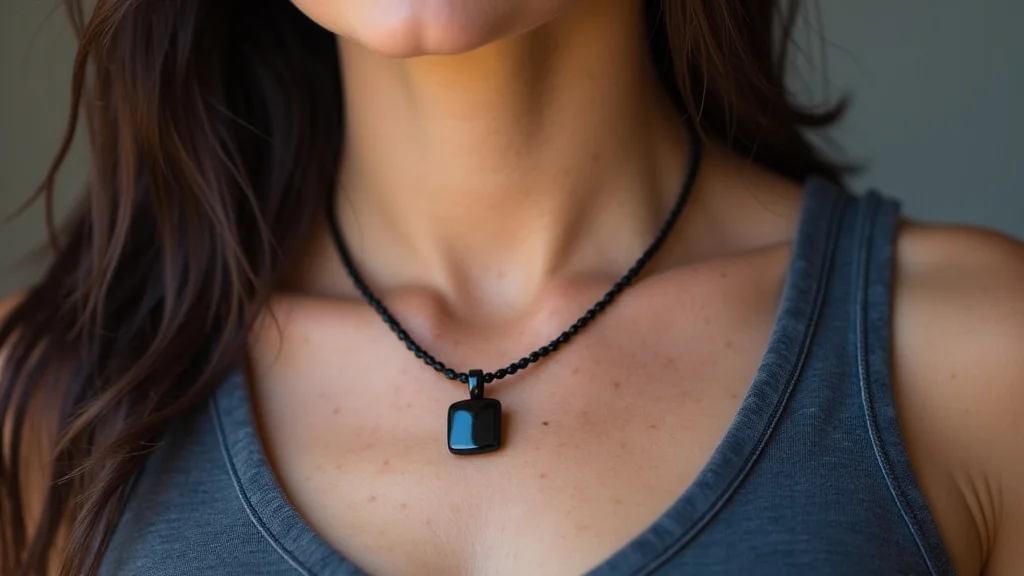
Remember that time you found the absolute perfect pendant, but struggled to find the right chain? It’s a common story! Many people pour over pendants, but the supporting chain gets overlooked. However, that chain – or, in this case, a black cord for necklaces with pendants – is just as important. Choosing the right one can make or break the look. This guide explores everything you need to know about selecting the best black cords for necklaces with pendants, from materials and styles to practical tips for everyday wear. By the end, you’ll be able to confidently choose a cord that complements your favorite pendants and enhances your personal style.
Key Takeaways
- Discover the best materials for black cords, including leather, cotton, and nylon.
- Learn how to choose the right cord thickness and length for different pendant sizes and styles.
- Explore various cord styles and knots for unique and personalized looks.
- Understand the importance of cord durability and how to care for your cord.
- Find out where to buy high-quality black cords for necklaces.
- Get tips for pairing your black cord with different types of pendants.
Choosing the Right Black Cord Material
The material of your black cord for necklaces with pendants significantly impacts its look, feel, and durability. Several materials work well, each with unique characteristics and aesthetic qualities. Consider where you plan to wear the necklace and how often, as these factors will determine the best cord material for you. For instance, a leather cord might be perfect for casual wear, while a silk cord could be great for a more elegant occasion.
Leather Cords
Leather cords are a popular choice due to their classic appeal and durability. They offer a rugged, timeless look that pairs well with various pendant styles, from simple metal pieces to more ornate designs. Leather cords are generally quite strong, able to withstand regular wear and tear, and often become more comfortable and pliable with age. A good-quality leather cord can last for years with proper care.
- Types of Leather: Various leather types exist, each with different textures and finishes. Consider the different types of leather available such as smooth calfskin, sturdy cowhide, or supple braided leather to achieve your desired aesthetic.
- Durability: Leather is known for its durability, but proper care is essential. Regular cleaning and conditioning can prevent cracking and prolong the cord’s life.
- Style: Leather cords provide a versatile aesthetic, equally at home with minimalist pendants or bolder statement pieces.
- Maintenance: Leather requires periodic conditioning to maintain its softness and prevent it from drying out.
Leather is often used for black cords because it easily takes dye, creating a deep, consistent color. However, be aware that leather cords can stretch over time, particularly under heavy weight. Avoid prolonged exposure to water, which can damage the leather and affect its appearance.
Cotton Cords
Cotton cords provide a softer, more casual look compared to leather. They’re lightweight, comfortable to wear, and often more affordable. Cotton cords come in various styles, from simple twisted cords to more intricate braided designs, offering flexibility in design. They’re especially well-suited for pendants with a more bohemian or relaxed aesthetic.
- Comfort: Cotton is exceptionally comfortable against the skin, making it a good choice for daily wear.
- Style: Cotton cords complement a variety of pendant styles, particularly those with a more casual, handmade feel.
- Braided vs. Twisted: Braided cotton cords offer a more textured and visually interesting design, while twisted cords are simpler and more streamlined.
- Color Options: While black is the most common color, cotton cords can be dyed in various colors and patterns.
Cotton cords are generally less durable than leather, especially if exposed to moisture or abrasion. Ensure you choose a cord that has been treated to resist fraying and fading. Cotton cords can be a great option for those with sensitive skin due to their hypoallergenic properties. Keep in mind that cotton tends to absorb moisture, so avoid wearing the necklace in the shower or during strenuous activities.
Nylon and Other Synthetic Cords
Nylon and other synthetic cords offer several benefits, including their strength, resistance to water, and affordability. Nylon is a strong and durable material, able to withstand significant wear and tear, making it suitable for everyday wear. Nylon cords also come in various styles, including braided and waxed cords. Synthetic cords are a good choice if you require a cord that can handle exposure to moisture or high activity levels.
- Durability: Nylon is resistant to abrasion and water, making it a reliable choice for everyday wear.
- Water Resistance: Unlike leather and cotton, nylon resists water damage.
- Affordability: Nylon cords are generally more affordable than leather or silk cords.
- Versatility: Available in various thicknesses, styles, and colors, including black, nylon cords suit many pendants.
Synthetic cords do not typically stretch and are also resistant to fading. However, nylon can sometimes have a slightly shiny appearance, so consider the aesthetic you want to achieve. Ensure the pendant is securely fastened to the cord to prevent it from sliding off. While robust, prolonged exposure to direct sunlight can degrade nylon over time.
Cord Thickness and Length: Finding the Perfect Fit
The thickness and length of the black cord for necklaces with pendants are key to achieving the desired aesthetic and ensuring comfort. The perfect cord will complement the pendant and suit your style. It is important to know the impact of these variables on the overall look of your necklace.
Choosing Cord Thickness
The thickness of the cord should coordinate with the pendant’s size and weight. A delicate, lightweight pendant looks best with a thinner cord, while a larger, heavier pendant requires a thicker, sturdier cord to maintain balance and visual appeal. The ideal thickness also impacts how well the cord wears. A thicker cord is generally more durable and less prone to breaking.
- Thin Cords (1mm-2mm): These are perfect for small, lightweight pendants, such as dainty charms or minimalist designs.
- Medium Cords (2mm-4mm): Versatile and suitable for most pendants, these cords offer a good balance of style and durability.
- Thick Cords (4mm+): Best for large, heavy pendants or those with a more rugged, statement-making aesthetic.
- Consider the Bail: Make sure the cord fits easily through the pendant’s bail (the loop that attaches the pendant to the cord).
Take into account the overall aesthetic. A thinner cord provides a more subtle look, allowing the pendant to take center stage, while a thicker cord creates a bolder, more pronounced style. The cord’s texture and material impact how its thickness appears. A braided cord can appear thicker than a twisted cord of the same diameter.
Determining the Right Cord Length
Cord length is essential to ensuring a comfortable and flattering fit. The ideal length depends on your height, body shape, and personal style. Knowing different lengths can assist you in making an informed decision. The length of the cord can also impact how the pendant hangs and interacts with your clothing.
- Choker (14-16 inches): Sits high on the neck, often worn with pendants that are smaller or more delicate.
- Princess (17-19 inches): A versatile length that typically falls on the collarbone, suitable for various pendant sizes.
- Matinee (20-24 inches): A popular choice that typically rests between the collarbone and the bust.
- Opera (28-34 inches): Long and elegant, it can be worn over clothing and works well with larger pendants.
- Rope (35+ inches): Very long, allowing for multiple wraps or knotting styles.
Consider the pendant’s size when selecting the length. A larger pendant may look best on a longer cord, while a smaller pendant can be shown off with a shorter cord. Consider your wardrobe. A longer cord complements higher necklines, while a shorter cord goes well with lower necklines. If you are unsure, measure an existing necklace you love, or use a piece of string to determine the length that best suits your style. Keep in mind that cord length can also be affected by how the cord is knotted or styled.
Styling and Customizing Your Black Cord
Personalizing your black cords for necklaces with pendants can make a significant difference. Using specific knots, charms, and additional elements can help you achieve a unique look that reflects your style. It’s not just about selecting a cord; it’s about making it your own.
Cord Styles and Knots
Different cord styles and knotting techniques can give your necklace a unique look. Various cord styles, such as braided, twisted, and waxed cords, offer different textures and visual elements. The knots used to attach the pendant and adjust the cord length also affect the overall aesthetic. Experimenting with knots and cord styles gives you the ability to create unique designs.
- Braided Cords: Offer a textured and often more rugged appearance, suitable for a casual, bohemian look.
- Twisted Cords: Simple, elegant, and versatile, suitable for various pendant styles.
- Waxed Cords: Have a smooth, slightly glossy finish, increasing water resistance.
- The “Slip Knot” or Adjustable Knot: This allows the necklace length to be adjusted.
- Square Knot (or Reef Knot): A simple knot used to join two cord ends.
The choice of cord style and knotting technique significantly impacts the look and feel of the necklace. A braided cord might fit a more casual aesthetic, while a simple, twisted cord gives a minimalist feel. Knots also serve a practical function. Experiment with different knots to see which ones best suit your pendants and preferences. The knot you select can also alter the cord’s overall length and the way the pendant hangs.
Adding Charms and Beads
Adding charms and beads allows you to personalize your necklace. Charms can add meaning or represent personal interests. Beads can create a pop of color or texture, enhancing the overall appearance. Charms and beads also allow you to create a unique piece of jewelry that truly expresses who you are. This can also take the style to the next level.
- Charm Selection: Choose charms with personal significance.
- Bead Types: Experiment with different bead materials.
- Attachment Methods: Secure charms and beads with jump rings, knotting, or gluing.
- Bead Arrangement: Consider the order and spacing of beads for visual balance.
- Compatibility: Ensure the beads and charms are appropriate for the cord material.
Consider how the added elements complement the pendant and the overall design. Selecting charms and beads that are in keeping with the pendant’s aesthetic can create a cohesive and attractive look. The arrangement and spacing of the beads and charms also affects the design. Be sure the chosen beads and charms are well-suited to the cord material to ensure the durability and longevity of the necklace.
Caring for Your Black Cord Necklace
Proper care is essential to extend the life of your black cords for necklaces with pendants and preserve their appearance. Different materials require different care methods. Following these steps can help maintain your cord’s color, texture, and durability.
Cleaning and Maintenance
Regular cleaning prevents dirt and oils from building up. Proper maintenance, including storage, is crucial for preserving your cord’s appearance and longevity. Knowing how to maintain your cords will keep your necklace looking its best for longer.
- Leather: Use a leather cleaner and conditioner, avoid excessive water exposure.
- Cotton: Gently wash with mild soap and water, avoid harsh chemicals.
- Nylon: Wipe with a damp cloth; avoid abrasive cleaners.
- Storage: Store necklaces in a dry place, away from direct sunlight.
- Regular Inspection: Check cords for wear and tear.
Leather cords should be cleaned with a leather cleaner and then conditioned to keep them supple and prevent cracking. Cotton cords should be gently washed with mild soap and water, and avoid harsh chemicals. Synthetic cords can usually be wiped clean with a damp cloth, avoiding abrasive cleaners. Proper storage protects the cord from environmental elements and wear. Examine the cord periodically for signs of wear and tear, and replace the cord if it seems compromised.
Preventing Damage
Taking precautions can prevent damage and prolong your cord’s life. Avoiding water, chemicals, and extreme temperatures will keep your cord looking its best. Keeping your necklace away from damaging influences helps to maintain its color, texture, and structural integrity. Regular inspections will prevent damage.
- Avoid Water Exposure: Remove necklaces before showering or swimming.
- Protect From Chemicals: Avoid contact with perfumes, lotions, and harsh cleaners.
- Temperature Control: Store in a moderate temperature; avoid extreme heat or cold.
- Secure Attachment: Regularly check the pendant’s attachment to the cord.
- Storage Environment: Ensure dry storage to prevent moisture damage.
Always remove your necklace before engaging in activities that could expose it to water. Water can damage leather and cause rust in metal components. Keep your necklace away from perfumes, lotions, and harsh chemicals, as these can cause discoloration or degrade the materials. Store your necklace in a place with a stable temperature to keep the cord from being damaged. Checking the cord’s attachment will prevent loss of the pendant. A dry storage area will help prevent the buildup of moisture that might harm the cord.
Finding Your Perfect Black Cord
Knowing where to buy high-quality black cords for necklaces with pendants is just as important as knowing what you want. Several options exist, from local craft stores to online retailers. You can find quality cords by shopping around and comparing prices. Where you buy your cord has a large impact on the quality and affordability of the item.
Where to Buy
A number of places carry black cords, each offering a range of options and price points. From craft stores to online retailers, the options are varied. The place you choose to purchase your cord may affect the variety, price, and level of service you can expect.
- Craft Stores: Provide a tactile experience and wide variety of materials.
- Jewelry Supply Stores: These offer specialized options for jewelry making.
- Online Retailers: Offer a vast range of choices and prices, often with customer reviews.
- Specialty Jewelry Shops: These stores offer curated selections and personalized service.
- Consider Quality: Check reviews and evaluate material descriptions carefully.
Craft stores are often excellent sources for cords, allowing you to touch and feel the materials. Jewelry supply stores offer specialist options for jewelers. Online retailers provide a vast choice and competitive pricing, letting you compare products from different sellers. Consider quality when making a decision and carefully examine the product details and customer reviews. The right location will have a variety of cord types to meet your requirements.
Comparing Prices and Quality
Comparing prices and quality is crucial for getting the best value for your money. Price can vary greatly depending on the material, brand, and retail location. Quality and price are often related, so it’s a good idea to consider both. Making sure that you get the best deal while getting a high-quality product is an essential part of the process.
| Material | Price Range (per foot) | Quality Considerations |
|---|---|---|
| Leather | $2 – $10 | Check the grain and finish; look for genuine leather. |
| Cotton | $1 – $5 | Look for tightly woven cords that resist fraying. |
| Nylon | $0.50 – $3 | Check for color fastness and durability. |
When comparing prices, consider the cord’s length, material, and any additional features, such as clasps or closures. Higher-quality materials like genuine leather may have a higher initial cost but often last longer. Read reviews to learn about the experiences of other buyers. Look for retailers with clear return policies to safeguard your purchase. Assessing price and quality helps ensure you get a product that is both affordable and long-lasting.
Common Myths Debunked
Myth 1: All black cords are the same.
Answer: Not all black cords are created equal. The material, thickness, and style greatly affect the cord’s appearance, durability, and suitability for different pendants. Choosing the right one is essential.
Myth 2: Leather cords are always the most durable.
Answer: While leather is durable, the care and treatment are crucial. Nylon cords, for example, are frequently more water-resistant and may be more durable in specific circumstances if properly cared for.
Myth 3: Expensive cords are always higher quality.
Answer: Price doesn’t always indicate quality. While expensive cords often use higher-quality materials, you should always assess the material, construction, and reviews before making a purchase.
Myth 4: Black cords cannot be personalized.
Answer: Black cords can be personalized with various attachments like charms, beads, and different knotting patterns. These elements allow you to create a unique necklace.
Myth 5: All synthetic cords look cheap.
Answer: High-quality synthetic cords can be both beautiful and durable. They come in various finishes, including matte and waxed options, which can offer a sophisticated appearance. They also provide advantages like water resistance.
Frequently Asked Questions
Question: Can I wear a leather cord in the shower?
Answer: No, you should avoid wearing a leather cord in the shower as it can damage the leather, causing it to dry out and crack.
Question: How do I measure the cord length for my necklace?
Answer: Use a flexible measuring tape around your neck, or use an existing necklace of the appropriate length for comparison.
Question: What’s the best way to clean a cotton cord?
Answer: Gently wash it with mild soap and water, and avoid harsh chemicals.
Question: Can I adjust the length of my necklace?
Answer: Yes, necklaces can be adjusted using knots or adjustable clasps.
Question: How do I know the cord material?
Answer: Check the product details or packaging for a description of the material, which could be leather, cotton, nylon, or a blend.
Final Thoughts
Choosing the perfect black cords for necklaces with pendants involves considering materials, thicknesses, lengths, and styles. From rugged leather to delicate cotton and versatile nylon, the material determines the look, feel, and durability of your necklace. Finding the right thickness and length is essential for both aesthetic appeal and comfortable wear. Customizing your cord with unique knots and personalized charms adds a unique touch. Knowing how to care for your cord will keep your jewelry beautiful for years to come. Explore different materials, thicknesses, and lengths to discover the perfect cord that complements your unique style and lets your pendants shine. By investing a bit of time in this process, you will be able to create amazing, personally styled necklaces.