Last updated: November 05, 2026
Quick answer: a heart pendant usually means love, affection, or care, but its meaning changes with who gives it, who wears it, and when it is worn. In a gift, a heart pendant often says “you matter to me”; as self-wear, it can signal memory, self-love, grief, or a personal promise. If you are asking what does a heart pendant mean?, the answer is usually one of those themes, not one fixed message.
The simplest answer: a heart pendant is a love symbol with context
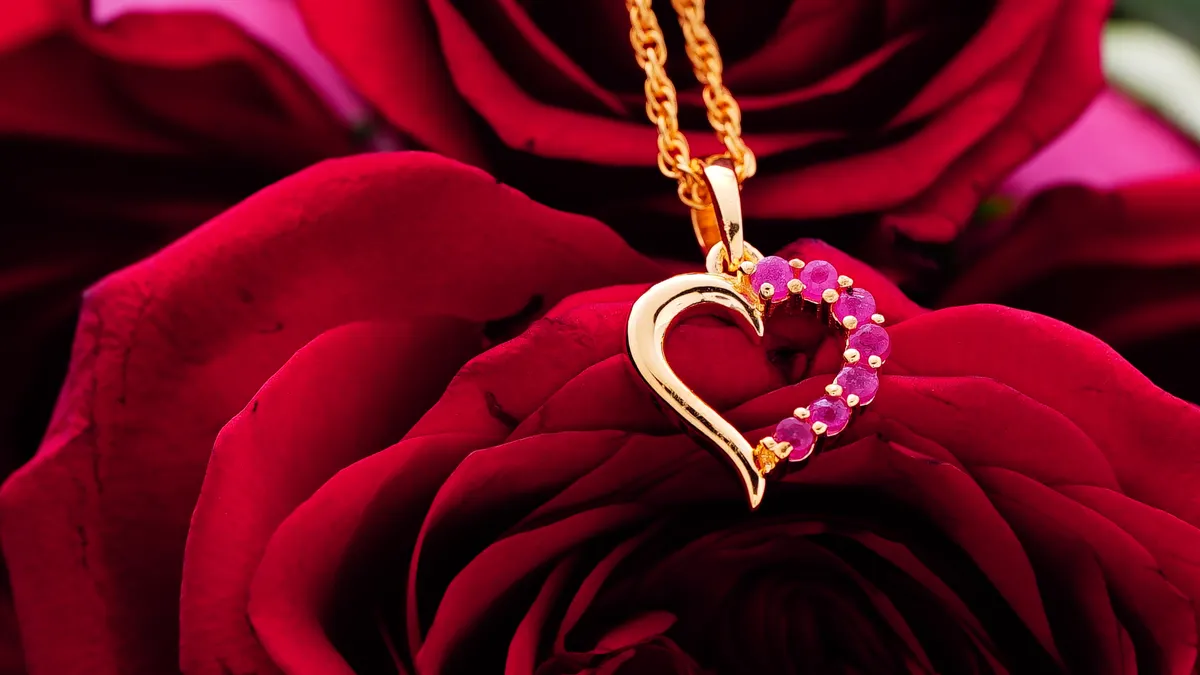
A heart pendant is a piece of jewelry shaped like a heart, and in most settings it reads as a love symbol first. That does not lock it into romance. A mother may give one to a daughter, a friend may choose one as a gift necklace, or someone may wear one alone to mark a person, a place, or a chapter in life.
The shape does a lot of the work. In Western jewelry, the heart has long stood for affection, devotion, and emotional attachment, so the pendant becomes a small public message. It is often bought for Valentine’s Day, anniversaries, birthdays, graduations, and memorial gifts, but the shape itself is older and broader than those occasions. According to the National Museum of American History, Valentine cards were already being exchanged in the 18th century, which helps explain how strongly the heart became tied to affection in modern gift-giving. A heart pendant can be tender, sentimental, formal, or very plain.
That range is why the question “what does a heart pendant mean?” has two answers. The dictionary answer is “love-related jewelry.” The real-life answer is “whatever relationship or feeling the wearer and giver attach to it.” A heart pendant in a velvet gift box may mean romance. The same shape on a chain worn every day may mean remembrance or self-acceptance.
It also helps to separate symbol from style. A heart pendant is not the same thing as a heart-shaped charm on a bracelet, though both use the same symbol. It is also not automatically a promise ring in necklace form, and it does not always signal dating status. If you want the broader category first, the hub on what a pendant necklace is can fill in the structure; this page stays on meaning.
What does a heart pendant mean when someone gives it as a gift?
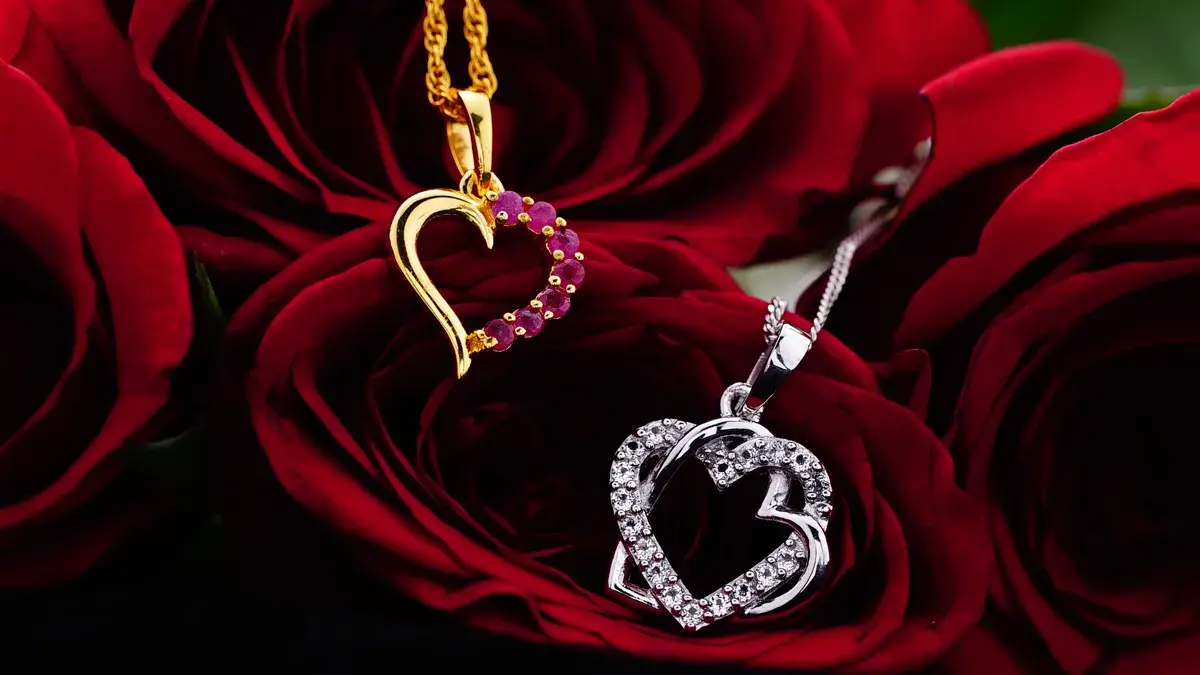
A heart pendant given as a gift usually means affection, appreciation, or romantic intent, and the exact message depends on the relationship. The same necklace can say “I love you,” “I’m grateful for you,” or “I wanted to give you something lasting.”
The strongest signal comes from context, not metal or size. A simple chain with a small heart pendant from a partner on an anniversary leans romantic. A heart pendant given by a parent after a graduation, move, or milestone can mean support and pride. A friend gifting one at a hard moment may be saying, without words, “I’m here.”
If you are trying to read the gift, look at three things:
- The occasion. A February 14 gift carries more romantic weight than a random Tuesday.
- The note. A card often does more meaning work than the pendant itself.
- The relationship. A heart pendant from a spouse says something different from the same piece from an aunt or sibling.
This is where people over-read the symbol. A heart pendant is not a guaranteed declaration of love in the dating sense. Some givers choose it because it is safe, elegant, and easy to wear at 16 or 60. That makes it useful, but it also makes it ambiguous. If the sender has not said what they mean, the jewelry alone cannot answer the question.
A practical rule helps: treat the pendant as a gesture, not a legal contract. In that sense, the safer reading is to consider it a sign of care unless the giver has stated more directly what they mean; if the message has legal or financial implications, consult a professional and refer to the relevant consumer guidance from the Federal Trade Commission. One gift may point to romance, another to friendship, and another to family. The “meaning” lives in the relationship, the timing, and the message attached to it.
What does wearing a heart pendant mean?
Wearing a heart pendant usually means the wearer wants to show affection, remember someone, or keep a personal symbol close to the chest. The pendant can also mean self-love, healing, or a private story that no one else needs to decode.
Unlike a ring, a pendant is not as tied to relationship status. A ring is often read as a marker of commitment or availability. A heart pendant is looser and more personal. It sits near the heart area, which gives it emotional weight without forcing a specific interpretation. That is one reason people choose it for everyday wear.
Common meanings when someone wears one include:
- Romantic attachment. The pendant may honor a partner or a relationship.
- Memory. Some people wear one after a loss, especially if the piece was inherited or gifted.
- Self-significance. A wearer may use the heart as a reminder of confidence, recovery, or care.
- Identity. For some, it is simply a style choice with emotional shorthand.
The same 18-inch chain can communicate very different things depending on what else is worn with it. A heart pendant layered with a locket reads differently from one worn alone. A tiny, plain design often feels understated; a larger engraved pendant can feel deliberate and ceremonial.
This is where the symbol can be misunderstood. A heart pendant does not mean the wearer is “taken,” and it does not automatically mean romance is the story. It may be a memorial piece, a family heirloom, or a daily reminder to stay open-hearted. If a reader is trying to decode someone else’s necklace, the safest reading is that the person values what the heart stands for, but not necessarily the relationship others assume.
How to read the meaning without guessing
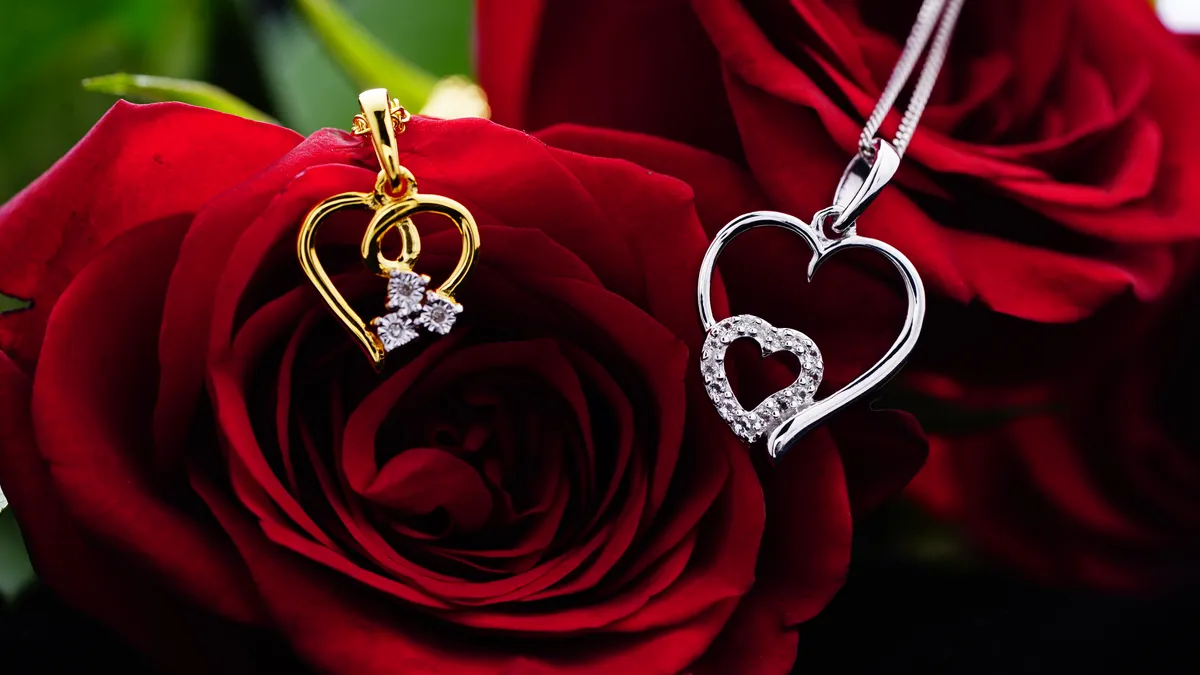
A heart pendant means different things in different settings, and the fastest way to read it is to look at the chain, the occasion, and the wearer’s habits. That gives a more reliable answer than assuming the shape alone tells the whole story.
Use this quick procedure when you are trying to understand a specific heart pendant:
- Start with the setting. If the pendant appears at a wedding, anniversary dinner, or Valentine’s Day dinner, romantic meaning is more likely; on an everyday commute, it may simply be a personal staple.
- Notice the size and finish. A small 10 mm heart on a fine chain often reads as quiet and private, while a larger engraved pendant may be more declarative.
- Look for pairing cues. If it is worn with initials, a birthstone, or a locket, the heart may be part of a memory piece rather than a romance statement.
- Check whether it was given or chosen. A gift necklace usually carries the giver’s message; a self-bought pendant usually carries the wearer’s own meaning.
- Read the pattern, not the single day. If the pendant is worn 5 days a week, the meaning is probably personal and durable rather than tied to one event.
This method is useful because it keeps you from overclaiming. A heart is one of the most flexible symbols in jewelry, which is why the same design can appear in a proposal, a memorial box, or a school photo. The setting does the interpretive work.
One honest limitation: you cannot know everything from the jewelry alone. If the person has not said what it means, a heart pendant stays partly private. That privacy is part of the design’s appeal. It lets the wearer show feeling without explaining the story. For a related piece, compare it with our promise ring guide and our gift necklace guide.
Heart pendant vs. other romantic jewelry: what people mix up
A heart pendant is a love symbol, but it is not the only piece of romantic jewelry, and it is often confused with items that carry stronger or narrower meanings. The difference matters because not every heart-shaped piece says the same thing.
A heart pendant is broader than a promise ring and less specific than a wedding band. It is also different from a locket, even though both can be sentimental. A locket usually suggests something hidden inside, such as a photo or note. A heart pendant usually works through shape alone. That makes it cleaner and easier to wear, but also less explicit.
People also mix up “heart pendant” and “gift necklace” as if they are interchangeable. They are not. A gift necklace is any necklace given as a gift; the heart pendant is one specific design choice within that wider category. A plain chain can be a gift necklace too. So can a cross, a disc, or a bar. The heart only becomes central when the shape is meant to carry emotional meaning.
Another common confusion is between romance and decoration. In fashion, a heart pendant can be chosen because it softens an outfit, fills the neckline, or adds a familiar symbol. In that case, it may have almost no personal message at all. That does not make it meaningless; it just means the meaning is aesthetic rather than relational.
The takeaway is simple: heart pendants belong to the family of romantic jewelry, but they do not always announce romance. If a reader wants a piece that says “love” without being overly formal, it is one of the most adaptable choices. If the reader wants a symbol that clearly marks commitment, the heart pendant may be too open-ended.
When a heart pendant means something more personal
A heart pendant means more than love when the wearer uses it as a private marker of memory, recovery, or identity. In those cases, the symbol shifts from public gesture to personal token.
This is where the heart shape becomes useful beyond gifting. Someone may wear a heart pendant after a loss because the shape carries tenderness without needing words. Another person may choose one after a major life change as a reminder to protect their own heart. A third may wear it because a family member wore the same design for 20 years and the piece now feels inherited, not decorative.
A few examples of personal meaning:
- Memorial jewelry. The pendant may honor a parent, spouse, or friend.
- Milestone jewelry. It can mark a recovery, birthday, adoption, or new job.
- Identity jewelry. It may express softness, femininity, or emotional openness.
- Family continuity. The pendant can connect generations through a repeated shape.
This is also where the piece can be misunderstood by outsiders. A plain heart pendant worn daily may look romantic to one person and deeply grieving to another. The shape is not the whole story. The chain, engraving, and wear pattern matter more than people think.
If you are choosing a heart pendant for someone else, the safest approach is to avoid assuming the same meaning for everyone. A heart can mean love, but it can also mean resilience, remembrance, and self-respect. That breadth is its strength.
How to choose a heart pendant that matches the message
A heart pendant matches the message when the design, occasion, and wording line up, and a mismatch can make the gift feel vague. The goal is not to find the “right” symbol in the abstract; it is to make the symbol fit the person.
Start with the message you want to send. If you want romance, a heart pendant with a short note usually works better than a large, elaborate design with no explanation. If you want comfort, a smaller pendant may feel more wearable and less showy. If you want something personal, engraving initials, a date, or a single word can anchor the symbol to one meaning instead of leaving it generic.
A few practical choices shape the read:
- Small, plain hearts tend to feel intimate and understated.
- Engraved hearts feel more deliberate and personal.
- Layered or paired pendants can suggest family or shared meaning.
- A heart with a photo or locket function leans memorial or sentimental.
The trade-off is easy to miss: the more specific you make the pendant, the less universal it becomes. That is good if you want the gift to feel unique. It is bad if you want the wearer to interpret it freely. A basic heart is flexible; a custom heart speaks more sharply.
This is why a heart pendant is not for every situation. If the message needs to be formal, explicit, or unmistakable, a heart may be too soft. If the message needs room for privacy, it is ideal. That balance is the real meaning of the piece: it lets feeling be visible without forcing a full explanation.
Key Takeaways
- A heart pendant usually signals love, affection, or emotional care.
- The meaning changes with context: a gift, a memorial, and daily wear do not read the same way.
- It can stand for romance, family, friendship, memory, or self-love.
- A heart pendant is broad and flexible, which makes it useful but sometimes ambiguous.
- The setting, note, and wear pattern tell more than the shape alone.
Is a heart pendant only for romantic gifts?
No, a heart pendant is not only for romantic gifts. It is often used that way, but it also works as a family gift, a friendship gift, or a memorial piece. A parent, sibling, or close friend may give one to show care without any romantic meaning attached.
What does wearing a heart pendant mean?
Wearing a heart pendant usually means the wearer values love, memory, or personal meaning. It can signal romance, but it can also mark self-love, grief, identity, or a family connection. The exact meaning depends on how often it is worn, who gave it, and what else is paired with it.
Can men wear heart pendants?
Yes, men can wear heart pendants. The symbol is not limited to one gender, and many men wear heart jewelry as a gift, a memorial, or a style choice. The meaning depends on the person, not the gender of the wearer, and the design can be subtle or bold.
Drafted with AI; not yet reviewed by a person.